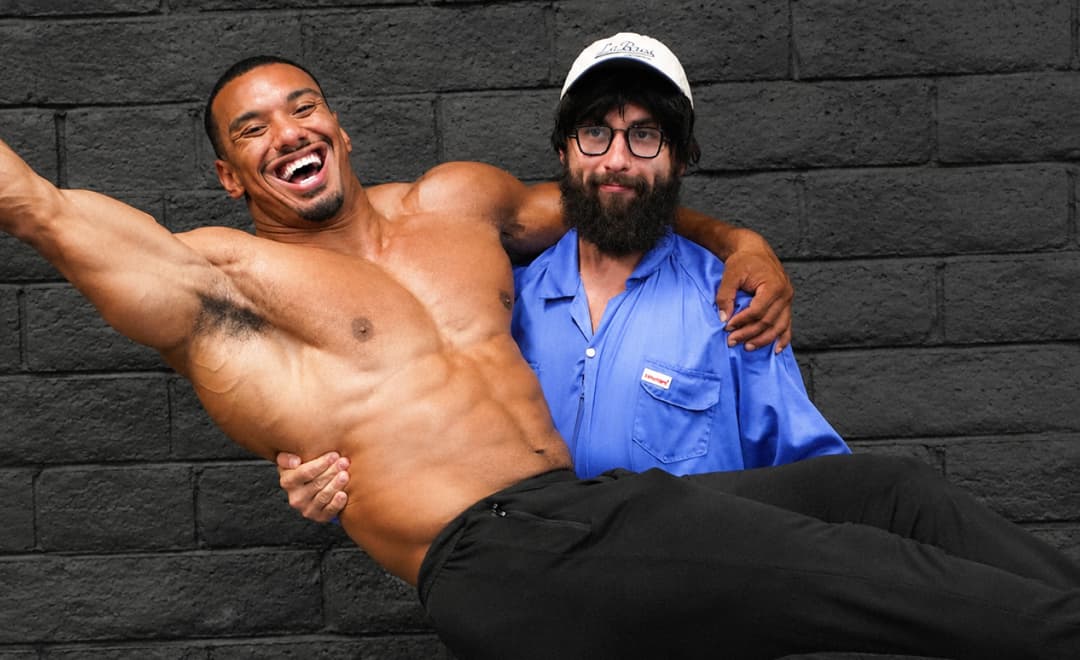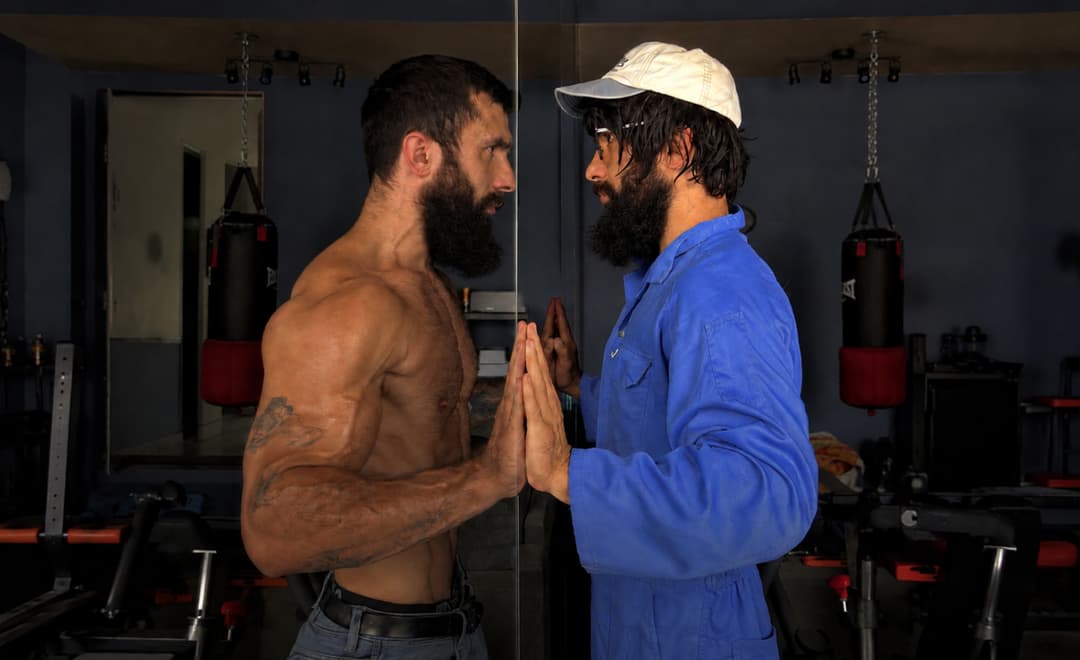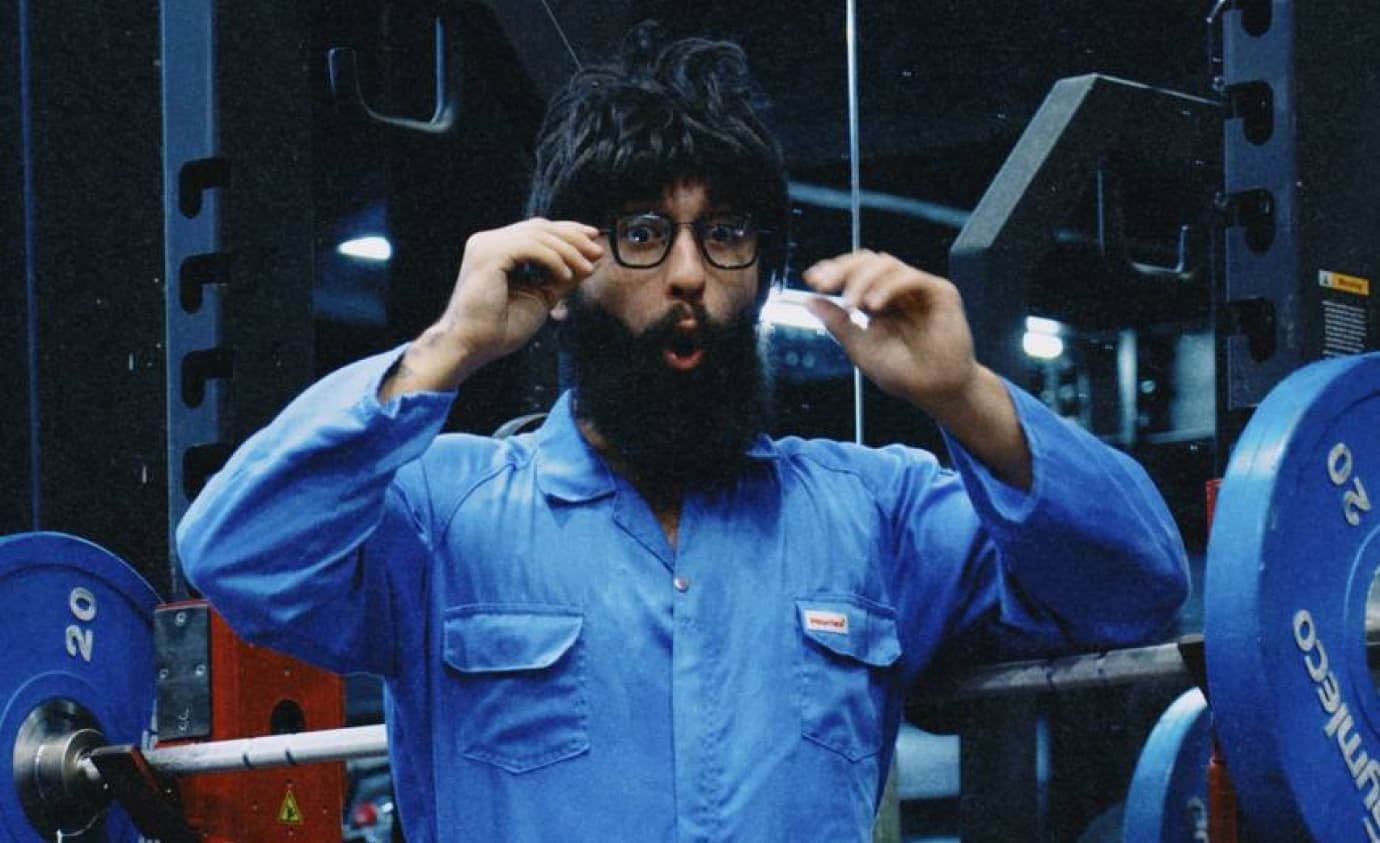
For a lot of people, Vladimir Shmondenko became a familiar face long before they learned his real name. Videos showing the quiet janitor lifting incredible weights turned the “man with a mop” into one of the most famous figures in the bodybuilding world. But the reactions to these videos aren’t just about amazement.
Behind these pranks lie years of systematic strength training, technical mastery, and consistent practice. It was this approach that eventually became the foundation of Anatoly Fit — a platform built on repetitive workouts, gradual strength gains, and a practical training structure.
From Homemade Weights to APS
Long before millions of people heard about the “man with a mop”, Vladimir Shmondenko’s workouts looked quite different.
In 2013, he trained at home using homemade barbells, bricks, tractor parts, and any other heavy objects he could find. Back then, there was no comprehensive system, almost no understanding of how to design training programs, and practically no equipment. However, even then, he had perseverance and a very clear goal.
Over the next few years, the approach became more systematic.
By 2014, regular training had already yielded a noticeable increase in strength. Technique improved, movements became more controlled, and training ceased to be chaotic. Around this time, the first real training program appeared — the very one that later helped Volodymyr achieve the landmark result of 200 kg.
The next phase, in 2017/18, provided competitive experience.
First powerlifting competitions, victories, and records in the deadlift. This is where a more solid athletic foundation began to take shape. Gradually, training began to combine elements from several disciplines. Areas of focus became clearly defined: strength exercises, gymnastics, bodybuilding, and movement control.
Another significant change took place in 2019. The training system was restructured once again, this time based on practical experience gained during competitions and years of experimentation. This structure eventually evolved into the Anatoly Power System, now known as APS.
After that, the online audience grew rapidly.
In 2020, the number of subscribers on the platform exceeded 100,000. Several hundred people had already begun training using the principles of APS and structured programming.
Then came the Cleaner Anatoly videos. Over the next 3 years, these pranks spread across social media worldwide and racked up billions of views. But behind the jokes and the reactions to them, the same learning process continued behind the scenes. It involved multiple sessions, technical work, and constant refinement of the system itself.
Today, APS has expanded significantly from its original format. Dozens of thousands of users from many countries now train using the Anatoly Fit program. Users follow the same practical approach that was established many years ago, using simple home equipment and sticking to a regular workout routine. Anatoly himself and his entire team work tirelessly, 25/7, to make anatolyfit.com the world’s best training platform.
The team’s priority isn’t the number of transformations. What matters most are your personal transformations, the changes in your life, and your progress.
Why His Strength Gets Attention
Most viewers initially notice the contrast. A man who looks like an ordinary janitor suddenly lifts a weight that even experienced athletes in the gym can barely handle. But the reaction is usually caused by the technique itself, not just the performance.
This level of skill doesn’t come about by chance. Before gaining widespread popularity online, Ukrainian powerlifter Vladimir Shmondenko spent years working on his technical consistency through systematic strength training. Even in short videos, it's easy to see the difference between random exercises and a real workout.
From Viral Videos to Real Training Logic
Short videos rarely show what happens behind the scenes. This includes, in particular:
Regular and consistent training,
Gradual progress,
And years spent perfecting movements under load.
Endurance is always the result of consistent training, not occasional bursts of intense exercise.
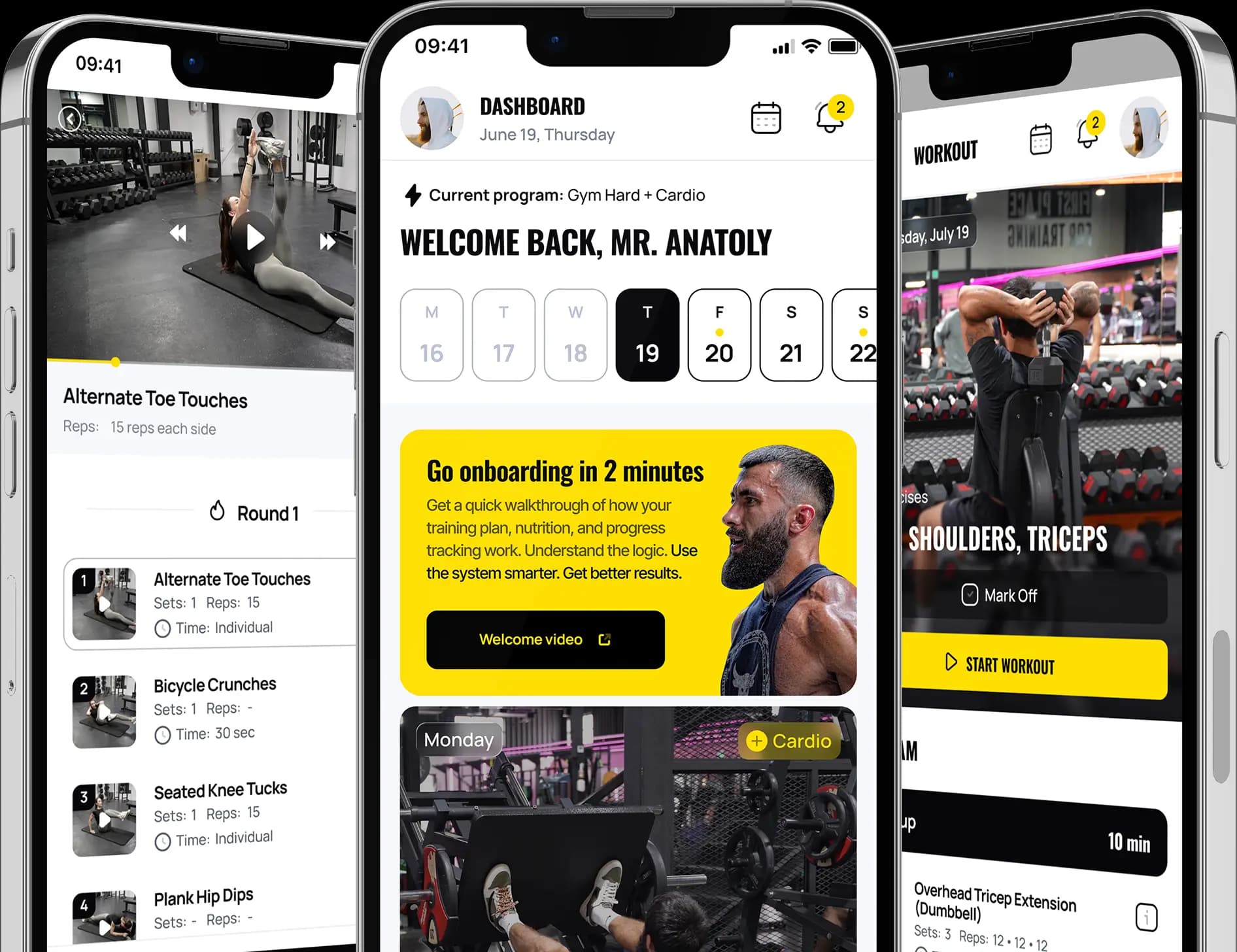
This idea forms the basis of the Anatoly Fit programs. The workouts are built around repetitive movement patterns, planned intensity, and a clear sequence of exercises, rather than constantly changing routines. Video instructions also play an important role here. Users can check their body position, pace, and technique before starting a set, rather than trying to figure it out during the workout.
This system isn't like following generic advice from an online trainer. It's more like a workout based on real-world weightlifting experience.
Training for Men, Women, Home, and Gym
A good program shouldn’t be limited to a single ideal option. Some users work out at a fitness center, others prefer shorter workouts at home, and some alternate both options throughout the week. The program’s structure should accommodate these changes.
This is important for different users:
Beginners who need a structured system rather than random exercises;
People returning to training after a break;
Users looking for strength exercises for women without making the workouts “too easy”;
Users who want clear progress for men without turning every session into a weightlifting competition for the sake of self-affirmation.
The most crucial aspect isn't where the workout takes place. The plan must clearly define the goal, intensity, and sequence so that it can be easily followed in practice.
What Makes Anatoly Fit Different
The program’s main value isn’t that it offers “more workouts”. There’s already too much fitness content online. What makes it useful is the structure: what to work on today, how the workout should be structured, and how it ties into the next one.
In this sense, the platform functions as an online workout coach, but it doesn't simulate a live fitness class. It provides structure through video tutorials, scheduled workouts, and visual progress tracking.
This becomes essential as workouts get more challenging. If a training session feels too easy, you can increase the intensity. If it feels too hard, you can lower the difficulty without having to scrap the entire plan. This level of flexibility makes fitness routines practical and helps you stick to your schedule more easily.
From Prank Energy to Real Work
The image of the “man with a mop” works precisely because this contrast seems unusual at first. A quiet janitor walks into the gym, and within seconds, experienced athletes start wondering what they just saw. But once the surprise wears off, people usually notice something else: even when lifting heavy weights, he maintains complete control.
This is achieved through constant repetition. This is achieved through constant repetition. After all, establishing a consistent system is much harder than pulling off a single flashy move in front of the camera.
This is precisely the gap that Anatoliy Fit is trying to fill. The platform draws on the training principles underlying Vladimir Shmondenko’s strength training program and transforms them into structured workouts that people can realistically follow over the long term, both in the gym and outside of it.
Subscribe for Updates
By signing up for our newsletter, you agree to the terms outlined in our privacy policy. You can unsubscribe at any time.