On the AnatolyFit blog, we often talk about technique, strength, and progress, but there’s one more factor that quietly makes all the difference — recovery. There’s a meme going around in the fitness world now about “magic celery”, which supposedly solves all recovery issues. It sounds convenient, but the reality is a bit more complicated. Recovery doesn’t work like a single product or a life hack. It’s a system where every detail matters.
Recovery Isn’t a Pause; It’s an Ongoing Process
After a workout, the body doesn’t “rest” in the traditional sense — it’s rebuilding itself. It’s not just the muscles that take the brunt of the strain, but also the central nervous system. It’s CNS recovery that determines whether you’ll be able to train again with the same intensity, speed, and focus — rather than just “getting through” the workout.
Important: don't confuse ordinary fatigue with overexertion. Mild fatigue is a normal part of progress: it goes away after sleep and proper nutrition. But when you experience a loss of strength, unsteady movements, and a constant “heavy head,” that's a sign that your body hasn't fully recovered.
This is where the difference between overreaching and overtraining comes in. The former is controlled stress that promotes growth, provided you recover in time. The latter is a state in which the body can no longer adapt and simply becomes exhausted. And it’s much harder to get out of this state than it’s to get into it.
Sleep That Really Restores, Rather Than Just “Turning You Off”
You can have your nutrition and training perfectly in order, but without proper sleep, your progress will simply stall. It’s during the night that the nervous system “reboots”, not during the rest periods between sets.
To make sure your sleep helps you recharge, rather than just spending hours in bed, keep these basics in check:
Go to bed and wake up at the same time every day. This helps regulate your circadian rhythm and reduces strain on the nervous system.
Turn off the lights before bed: screens, lamps, even small light sources. Your brain is attuned to darkness.
Don’t overlook REM sleep optimization. That’s when your CNS recovers most effectively, and it gets cut short if your sleep is fragmented.
It’s best to be careful with caffeine and late-night workouts. They can significantly affect the quality of night-time sleep.
If you don't get enough sleep, your recovery suffers too. And you'll feel the effects already during your next workout.
Food That Restores, Not Just “Healthy”
Celery is a perfectly normal food, but it became a meme precisely because people are trying to find a single “right” food instead of adopting a balanced approach. Unfortunately, that approach doesn’t work. Certain nutrients are key here, along with how they help the body recover after exercise.
Instead of just guessing, focus on the basics to really support your recovery:
Get enough protein every day. This is essential for muscle fiber repair and consistent regeneration after training.
Creatine benefits aren't just about strength. Creatine helps the nervous system handle stress better and get back to normal faster.
Carbohydrates after exercise. They aren’t the “enemy of fitness,” but rather a source of energy for the nervous system and normal muscle function.
Smart water consumption. Simply drinking water isn’t always enough. The body also needs to maintain a balance of minerals and electrolytes. In other words, a well-thought-out hydration strategy.
If these factors are under control, adaptation to the workload proceeds smoothly and without a hitch.
Active Recovery That Actually Works
Taking a complete break after intense workouts isn’t always the best option. Light exercise helps relieve stiffness and restore your body’s normal functioning more quickly without adding extra stress.
What really makes sense to add:
Active recovery in the form of light exercise: a walk, a leisurely bike ride, or swimming.
Mobility work, especially for areas that tighten up first.
Foam rolling to relieve muscle tension after training.
Light cardio without reaching breathlessness to support circulation without adding extra stress to the system.
These are truly effective methods for getting your body used to regular physical activity.
Less Chaos — More Order
A single product isn’t enough to ensure progress. Results come when there’s a solid framework in place: a clear routine, workload management, and the fundamentals that don’t fall by the wayside from one day to the next.
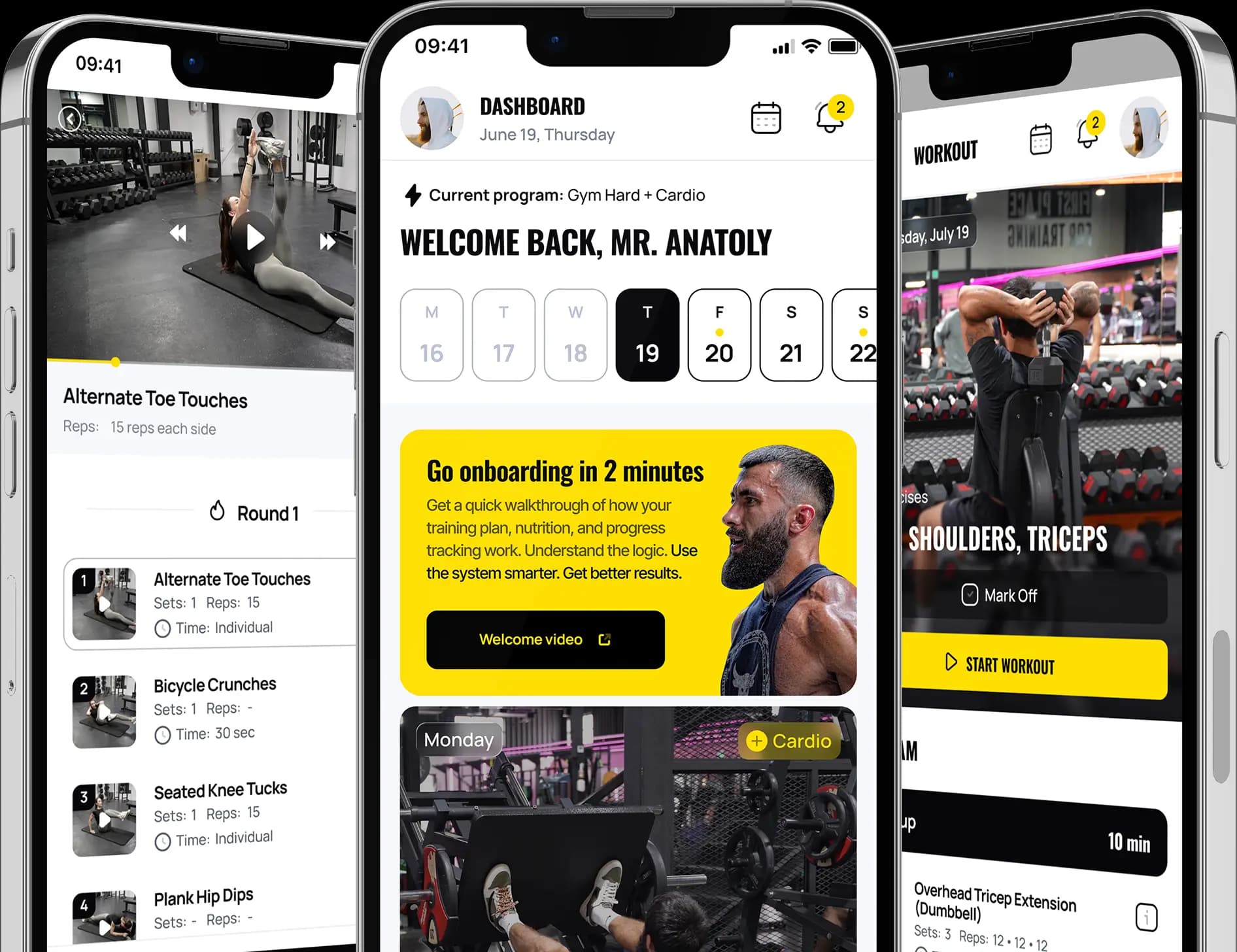
This is precisely the approach that lies behind AnatolyFit’s method. Not random solutions, but an approach that can be easily incorporated into your schedule. This leads to more stable results in the long run.
Subscribe for Updates
By signing up for our newsletter, you agree to the terms outlined in our privacy policy. You can unsubscribe at any time.