A beginner doesn’t need the most challenging plan at gym. That usually ends up with sore muscles and missed workouts. And then comes the typical thought: “I’ll start again next Monday.”
The first target is pretty simple: learn the movements, repeat them, and gain enough confidence to keep going.
That’s exactly why Anatoliy Fit views strength training for beginners as a structured starting point. And it shouldn’t turn into a test of willpower. The program helps users understand what to train, how often to do it, and when to increase the intensity. Without turning the first few weeks into torture.
What Beginners Usually Get Wrong
Most newbies fail not because of a lack of motivation. More often than not, they make their workouts more complicated than necessary. A common mistake is trying to change everything at once, instead of creating a simple program that can be followed consistently.
Vladimir Shmondenko often points out several mistakes that make it harder for people to make progress than it needs to be. Among the most common of these are:
Doing too many exercises from the very first day;
Changing training routines every week;
Trying to imitate experienced athletes;
Working out without a clear plan.
The best approach is to start small and repeat the basics long enough to master them. Progress is usually achieved by doing simple things well, not by constantly searching for something new.
Where to Train: Home, Gym, or Both
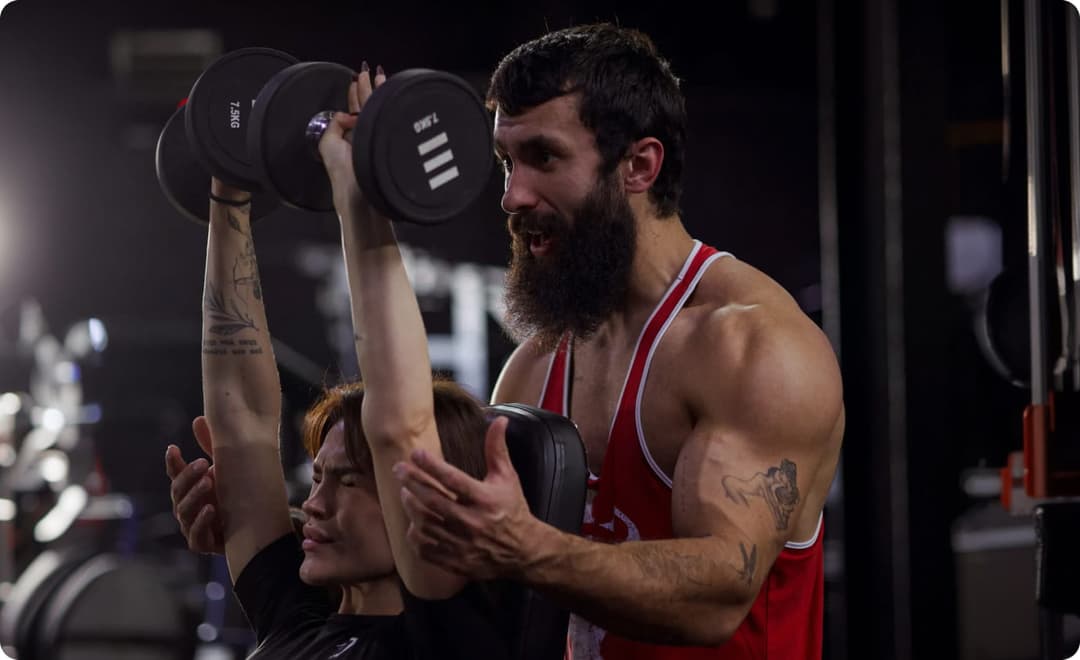
A novice doesn't necessarily have to choose one “perfect” place right away. The first few weeks can start with home workouts for beginners, and then move on to the gym once it becomes clear that more equipment will be helpful. The main thing isn't the location, but whether the workout routine is clear enough to be repeated.
At home, a mat, light dumbbells, resistance bands, a weighted backpack, or even a sandbag can be used to perform many basic exercises. At gym, machines, cable stations, benches, and heavier dumbbells make it easier to control the load and master consistent movement patterns.
This is where the online format comes in handy. Users can follow the same training logic while changing their surroundings. One day of training can be done at the fitness center, and the next — at home or even outdoors. The plan should still remain logical.
How a Beginner Training Routine Should Be Built
A beginner's fitness program should teach the body proper movement before focusing on achieving high performance. The first stage may include:
Bodyweight squats,
Push-ups,
Hip flexions,
Planks,
Resistance band pulls,
Simple movements involving carrying a load.
These exercises help identify areas where control is lacking and what needs more attention. Plus, it doesn't overload the body too early on.
A practical starting point might look like this:
Full-body exercises during the first few weeks;
Two to four training sessions per week;
Key exercises: push-ups, pull-ups, squats, bends, and core exercises;
Lighter days between more intense workouts;
Video review of form, range of motion, and pace.
More advanced workout splits can be introduced later, once the user has a good grasp of exercise technique, recovery considerations, and training intensity. In the early stages, a simple structure is usually preferable to variety.
Different Goals, Same Starting Logic
Workouts for beginners may differ for women and for men, but the first steps shouldn’t be based on stereotypes. The body still needs proper technique, realistic intensity, and sufficient rest to adapt.
Some people start working out because they want weight loss. Others are looking for strength, better posture, more energy, or simply to feel more confident at gym. The aim might change the details, but not the fundamentals.
A well-thought-out program for starters usually addresses the following points:
Which result matters most right now;
How many practice sessions can realistically be held;
Which movements seem consistent;
Where recovery starts to falter.
This sets the direction for the plan without making it difficult to settle into a new training routine.
Why APS Makes the First Steps Easier
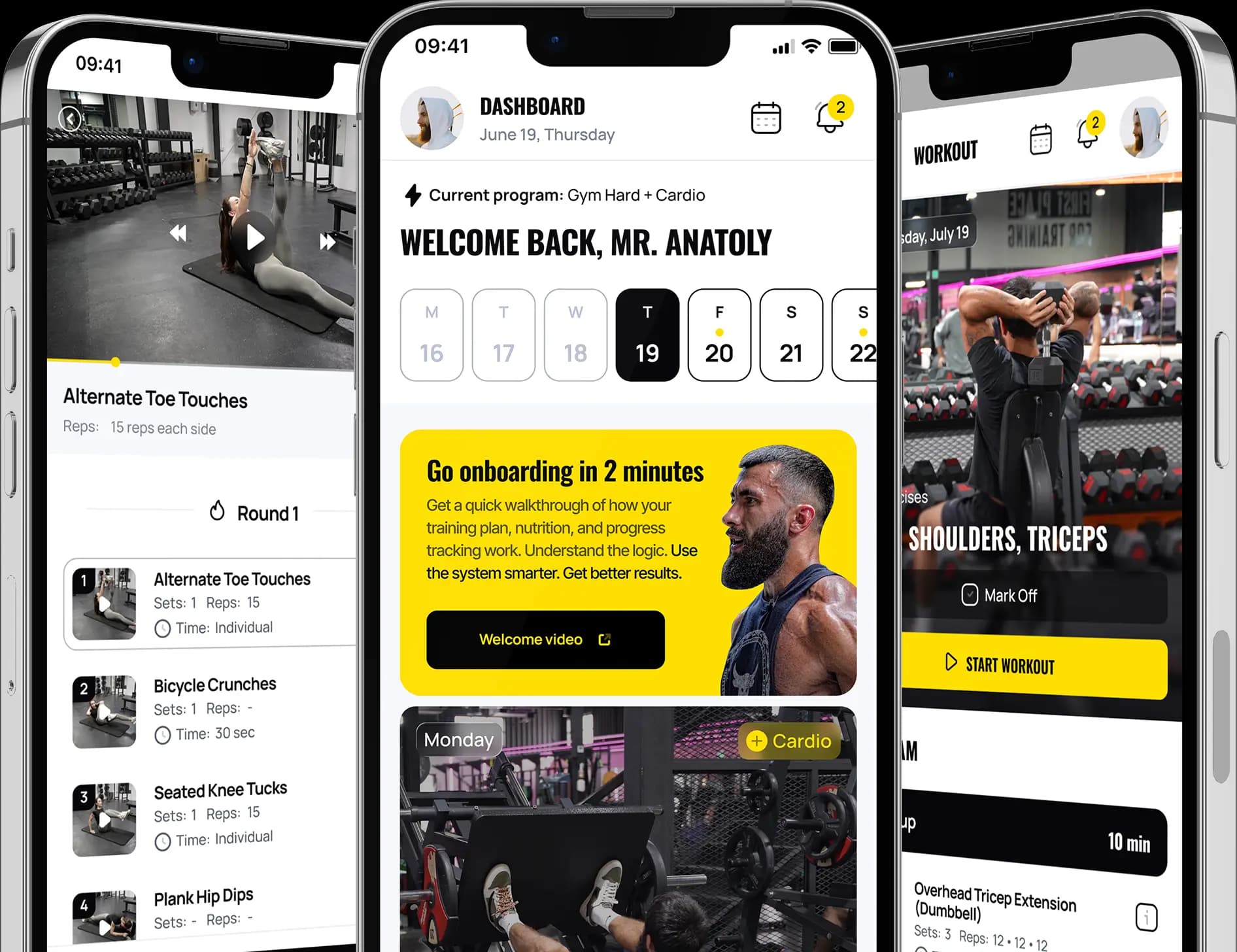
The first few weeks proceed more comfortably when users don't have to learn every little detail on their own. The Anatoly Fit program starts with an introductory course, allowing the complete setup to be tailored to the user’s fitness level, goals, equipment, and preferred workout location.
After that, the APS system helps keep the process on track: video instructions show how each movement should look, and progress tracking makes it easier to notice changes. If a workout starts to feel too easy or too hard, the user can adjust it instead of giving up on the entire program.
This is exactly what makes the platform useful for beginners. It provides enough structure for a solid start while still leaving room for real life. Strength develops gradually and without undue pressure.
Subscribe for Updates
By signing up for our newsletter, you agree to the terms outlined in our privacy policy. You can unsubscribe at any time.