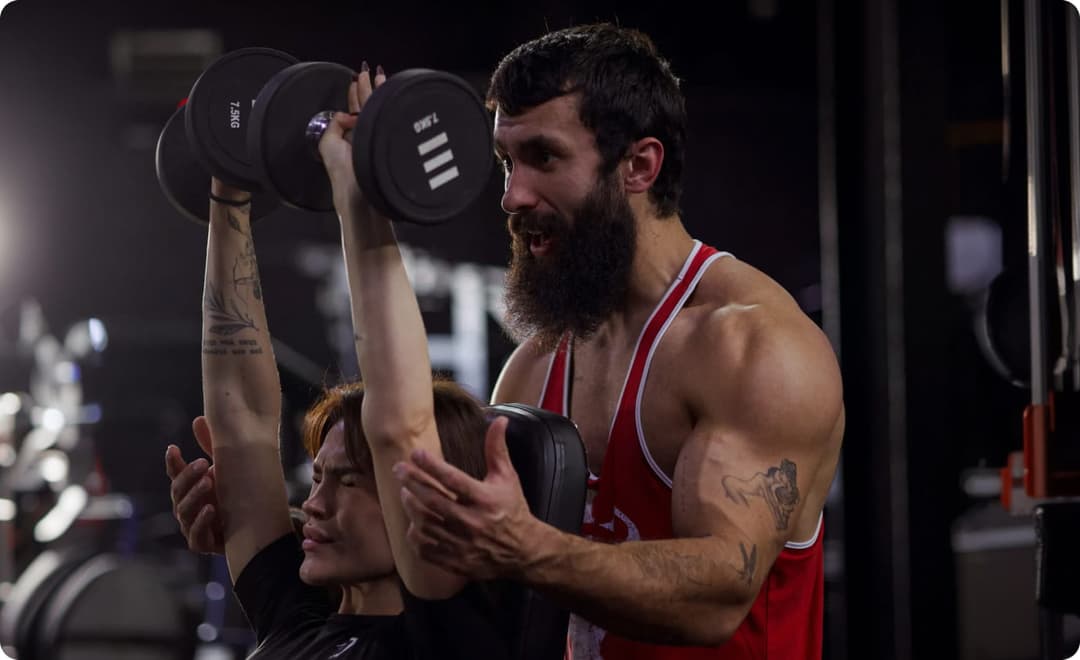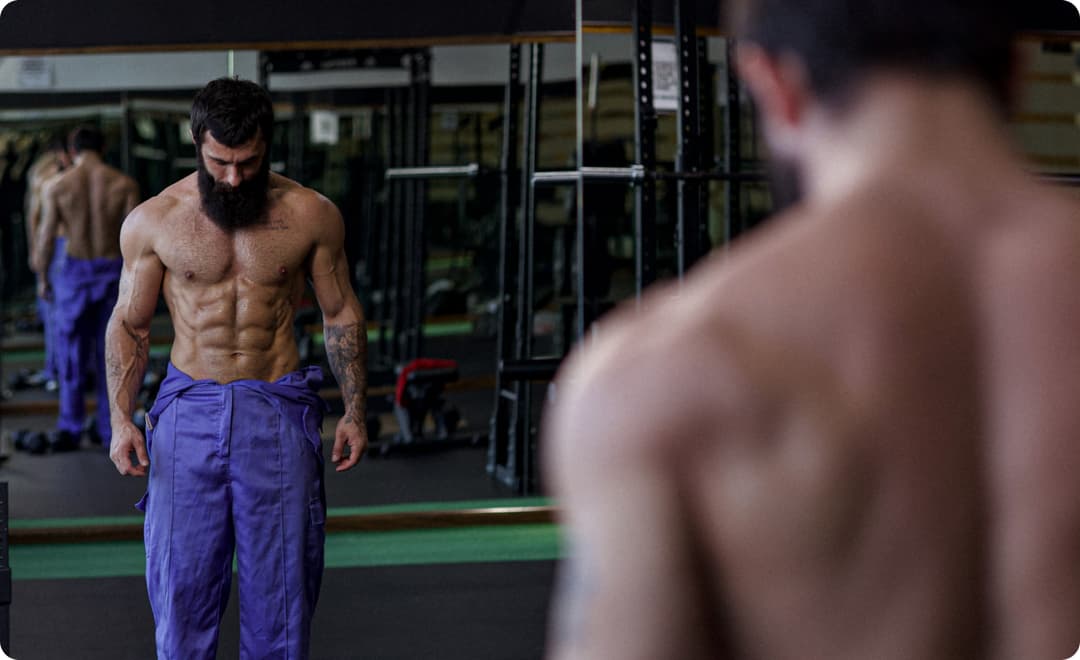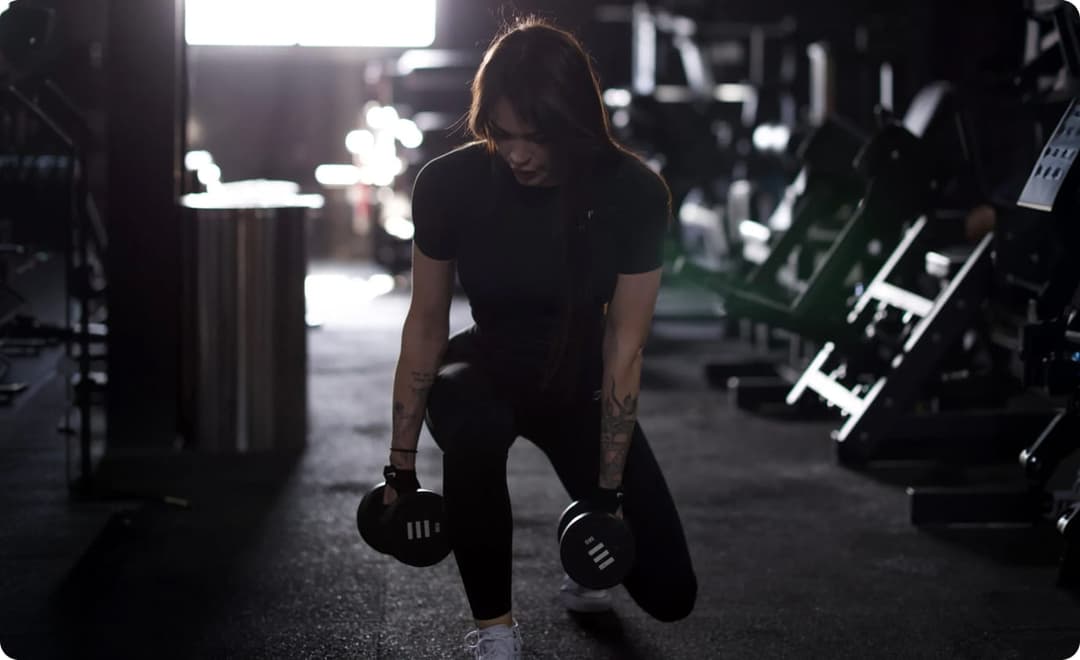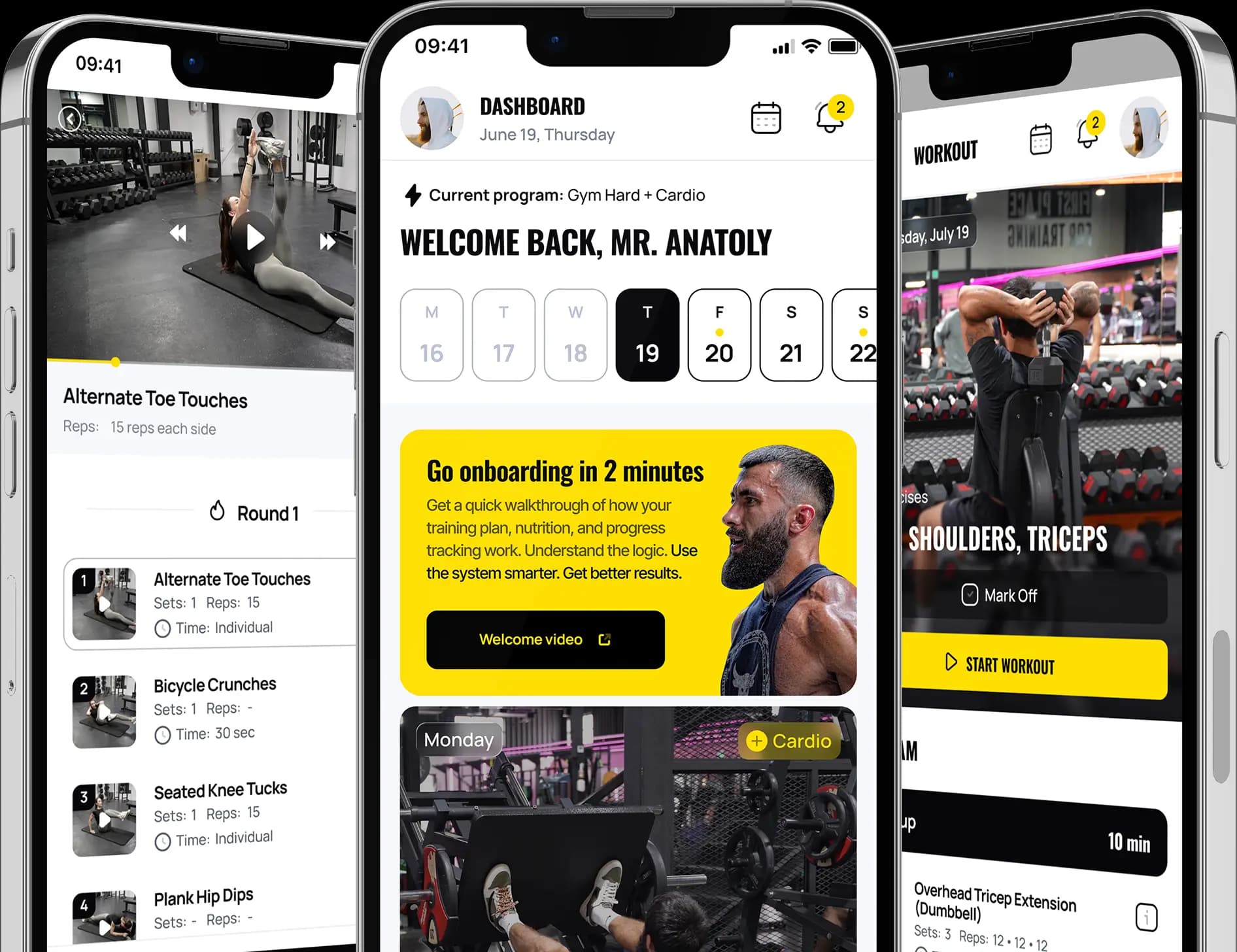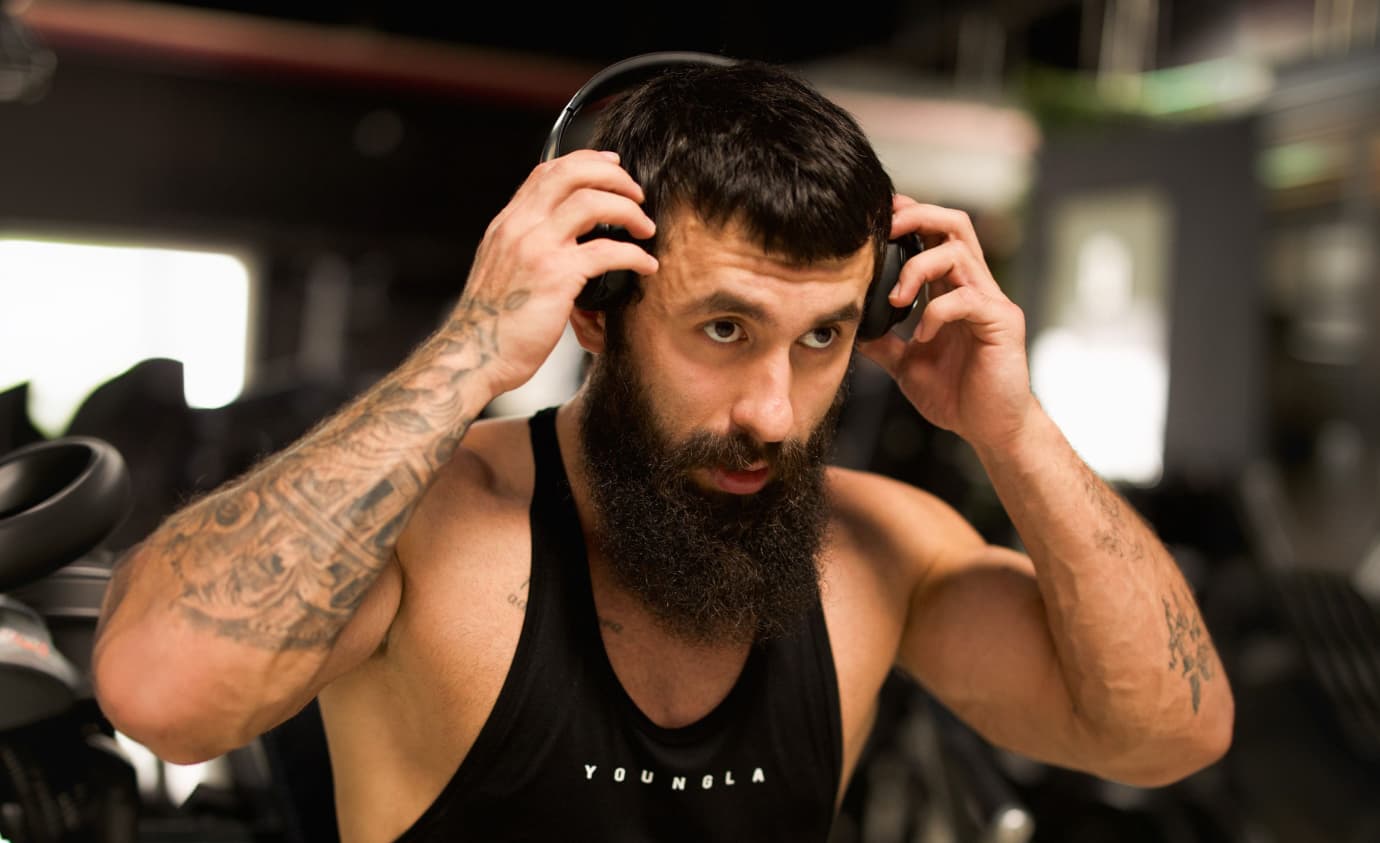
Powerbuilding begins where a standard gym regimen proves too limiting. Focusing solely on numbers can leave gaps in your physique. Workouts aimed exclusively at form can make progress unclear and difficult to assess. It’s not about choosing between strength and muscle. The point is to develop both using the same logic: hard work first, then targeted volume. And it's precisely this idea that Anatoly Fit embodies in a clear system and demonstrates through his own results.
What Powerbuilding Actually Combines
It's a solid approach because lifting heavy weights and exercises designed to build muscle serve different purposes. Compound movements teach the body to build strength through large-scale motion patterns: squats, deadlifts, presses, and rows. Those are the mainstays of a workout.
Then isolation exercises fill in the gaps that are frequently overlooked when performing compound training:
Arm curls;
Lateral raises for the shoulders;
Triceps training to build strength for the bench press;
Exercises for the hamstrings or calves, as needed.
They don't compete with each other. The heavy lifting lays the groundwork, while the smaller tasks fill in the details.
Strength Alone Doesn’t Build the Full Physique
Hard work can build a strong body, but it doesn’t always help to achieve the desired physique. Some muscles remain underdeveloped if every workout focuses exclusively on compound exercises. The rear deltoids, arms, calves, and upper chest — these muscle groups often require more targeted attention.
This matters for physique aesthetics. Form depends on balance, not just on the total weight of the load being lifted. Better body composition also depends on whether muscles remain engaged at different angles, with varying numbers of reps, and at different levels of fatigue.
Why Muscle Growth Needs More Than Heavy Weight
A heavy set provides a strong stimulus, but muscles also respond to how long they have to work. This is where sarcoplasmic hypertrophy comes into play. This means that muscles respond not only to the load but also to how the work is distributed throughout the set.
“Pumping” isn't just a sensation you feel in the gym. A solid muscle pump usually means that the target area is really working.
To create useful metabolic stress, keep the set honest:
Slow down the lowering phase;
Avoid bouncing during repetitions;
Shorten the pause only if you maintain proper form.
That way, you can focus more tension on the target muscle, rather than letting the heavy weight dictate the movement.
How to Structure a Powerbuilding Routine
A good power training program follows a clear sequence. The most challenging exercises are performed at the beginning, when coordination and concentration are still sharp. After that, the workout moves on to muscle-building exercises with slightly more reps and better control.
A simple powerbuilding routine might look like this:
Main compound lift: squats, bench press, deadlifts, or rowing.
Secondary compound lift: a variation that maintains the same technique.
Isolating finishing exercise: smaller muscles, more focused contraction, without excessive load.
This method works because the nervous system does the hardest work right at the start of the workout. Then you can increase the intensity without affecting the results of the main exercises.
Recovery Changes the Result
Powerbuilding combines two types of intense training: heavy weights and high training volume. Recovery must keep pace with both of these factors. Insufficient sleep, constantly training to failure, or an excessive number of auxiliary exercises usually lead to a decline in performance sooner than expected.
The same applies to metabolic stress. In moderate doses, it yields good results, but excessive fatigue during every workout ultimately impairs movement quality and hinders progress rather than promoting it.
That’s why it’s so important to manage your intensity. An effective workout should leave you with enough energy for the next one, not exhaust you completely in a single session.
Build Strength Without Losing Shape
Powerbuilding isn’t a compromise between looking good and lifting heavy weights. The results come when both goals are combined. Heavy exercises form the foundation. Increasing the volume determines how your physique changes over time.
It’s easy to see how Anatoly — a media-savvy powerlifter with a striking visual style — puts his expertise into practice. He understands that the numbers on the barbell and one’s physical appearance shouldn’t exist in separate worlds. In the Anatoly Fit project, this idea is brought to life. Train hard, build muscle, maintain your proportions — make your results visible.
Subscribe for Updates
By signing up for our newsletter, you agree to the terms outlined in our privacy policy. You can unsubscribe at any time.