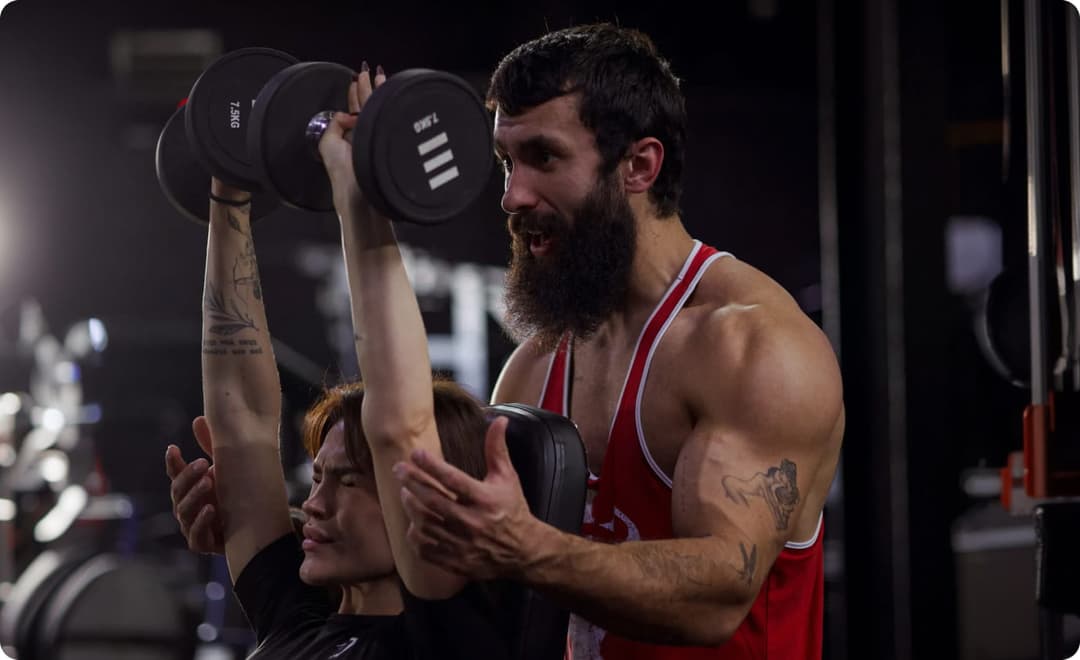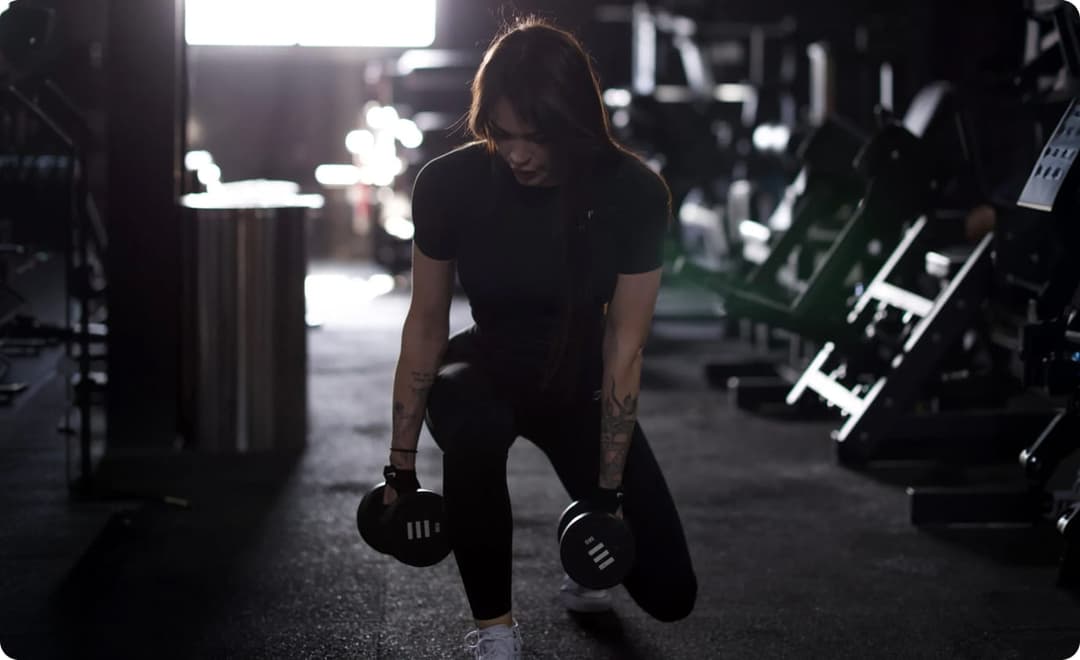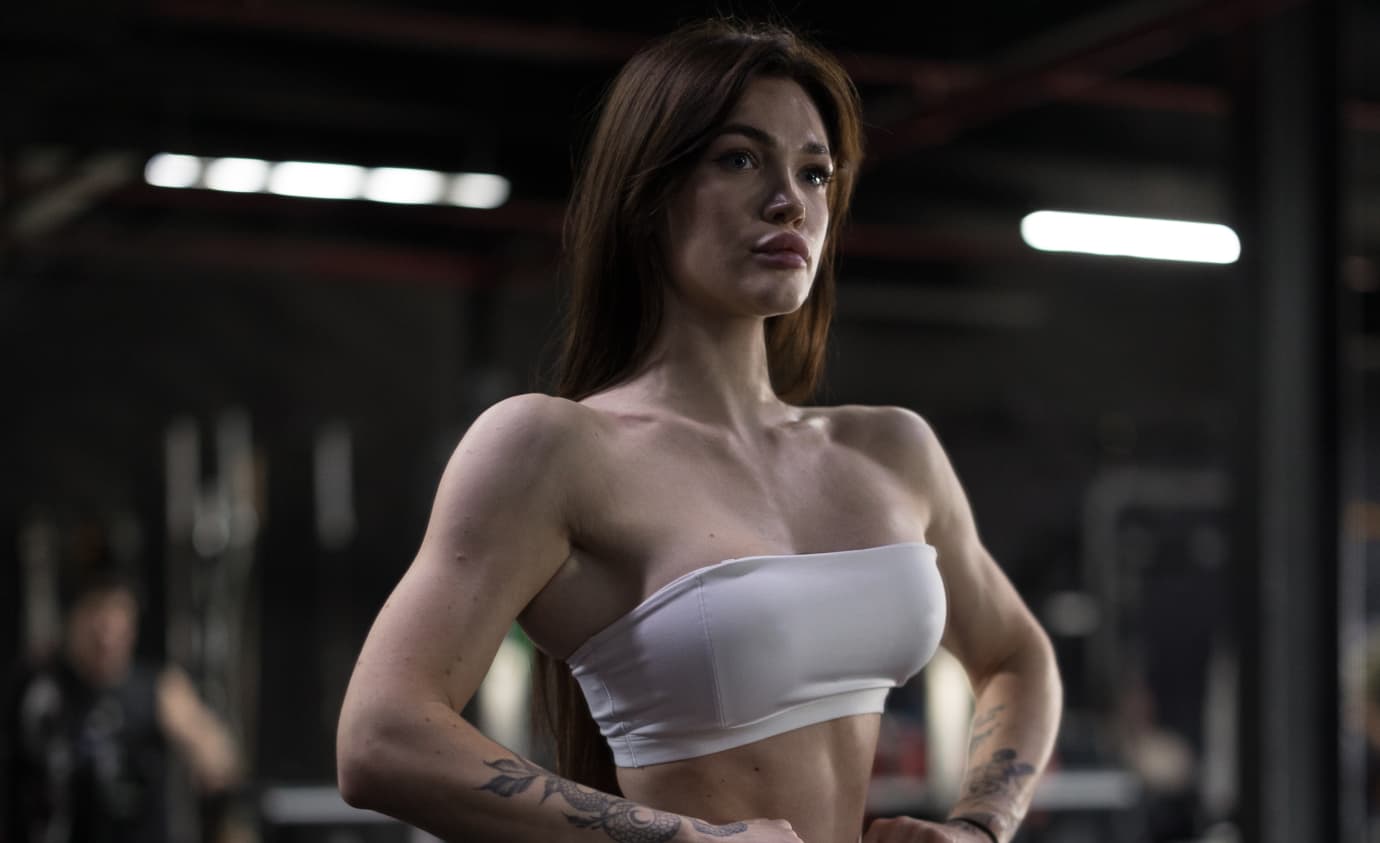
Workouts for girls don't have to mean endless light cardio or small “toning” movements that never lead to progress. The body changes for the better when the goal is clear: master a movement, gradually increase the intensity, and recover enough to repeat it.
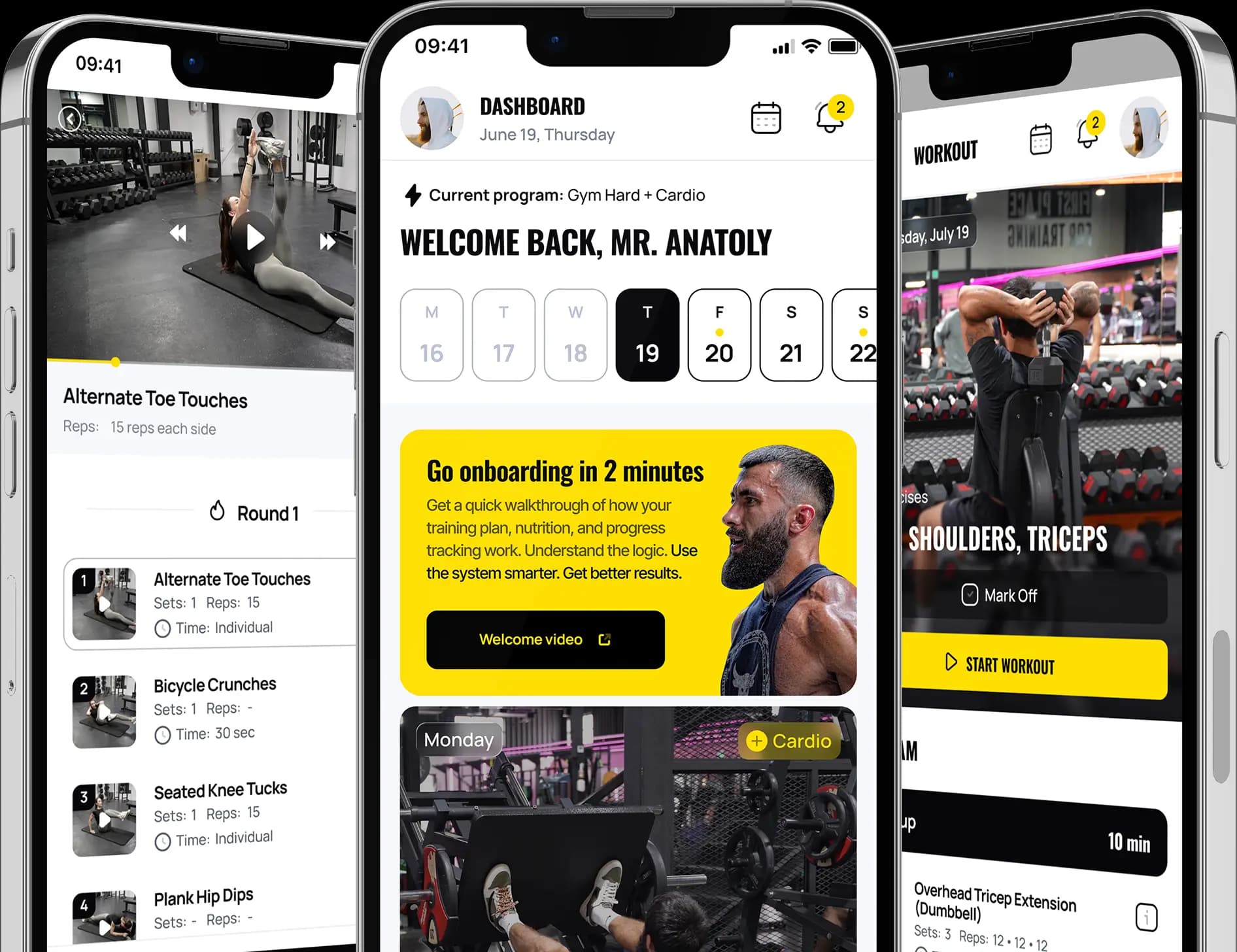
This is the core idea behind Anatoly Fit. Here, strength training for women isn’t treated as a separate “gentle” category. These are real workouts built on control, form, energy, and steady progress. Results that can truly be seen and felt.
Why Women Need Strength, Not Random Workouts
Many ladies avoid high-resistance exercise because they’re afraid of getting too muscular. In reality, the opposite problem is much more common. Without progressive training, the body doesn’t have enough reason to maintain muscle mass, posture, and the quality of movement over time.
A good female strength training program isn’t about chasing maximum weights. Its essence lies in gradually teaching the body to perform more work while maintaining efficiency and balance.
Aspects that are often overlooked include:
Back strength for proper posture;
Shoulder stability and upper body control;
Hip strength for everyday movements;
Engaging the core muscles beyond the scope of typical abs exercises.
This is important both for girls who start working out at a young age and for women who are returning to exercise after a long hiatus from the gym. Strength isn’t just about appearance. It can make everyday tasks easier and help build a body that’s better equipped to cope with prolonged sitting, stress, and a sedentary lifestyle.
Train Where the Week Allows
The right workout plan shouldn’t depend on a single ideal setup. There are days when it's more convenient to train at the gym. On other days, training at home is more practical, but there’s less space and fewer pieces of equipment. The goal is to ensure that training is successful in both cases.
For home training, the setup can be simple:
Mat for floor exercises and mobility training;
Dumbbells or resistance bands;
Backpack or sandbag for added resistance;
Enough space for lunges, bends, and core exercises.
Bodyweight exercises can also be useful when equipment is limited, especially for squats, glute bridges, push-ups, planks, and exercises performed at a controlled pace.
At the fitness center, the same plan can be executed with greater precision using machines, cables, benches, and heavier dumbbells. APS helps maintain a clear training focus, so changing locations doesn’t mean going back to square one.
The Building Blocks of Sustainable Progress
Girls often focus on just a couple of specific exercises. However, long-term results depend much more on how the entire training process is organized. An effective workout routine should help improve overall fitness month after month, rather than simply leaving the body exhausted after every session.
Well-balanced plan often includes several elements that interact with one another:
Lower-body workouts to build strength and muscle;
Back and shoulder drills to improve posture and movement quality;
Core exercises that promote stability and control;
Flexibility practices to maintain comfortable movement patterns;
Rest days that allow the physical system to adapt.
Full body workouts are particularly effective in the early stages of training. This allows for regular training of all major muscle groups without spending too much time in the gym.
The best approach is rarely the most difficult one. A program is useful when the workload increases gradually, the technique remains consistent, and recovery keeps pace with training. Such a combination is what allows progress to continue, rather than plateauing after just the first few weeks.
Training Frequency Should Match the Person
The ideal workout schedule depends not so much on motivation as on recovery, lifestyle, and previous experience. A beginner female athlete doesn’t need the same weekly training volume as someone who has been working out regularly for many years.
In many cases, a 3-day schedule is enough to build strength, improve movement quality, and establish a consistent routine. This leaves enough time for rest and recovery. At the same time, it ensures regular physical activity.
A 4-day cycle can work well when recovery, sleep, and daily energy levels are already predictable. An additional session allows the training volume to be increased without making individual sessions excessively long.
The same principle applies to people over 50. Age alone doesn't determine training capacity. Consistency, the quality of movements, and recovery habits usually matter much more than the number on the birthday cake.
When the Goal Is Weight Loss
Let’s be honest — many women start working out with the hope of slimming down, but results are rarely achieved through any one specific exercise. More often than not, they’re the result of a combination of habits that reinforce each other over time.
A healthy foundation includes:
Regular strength training;
Sufficient daily physical activity outside of workouts;
Stable sleep schedule;
Adequate protein intake;
Realistic calorie control.
When one of these elements is missing, it often becomes harder to maintain progress for weight loss. The point isn't to burn as many calories as possible in a single session, but to establish a workout routine that can be sustained for several months.
Strong Looks Different on Every Woman
There is no single definition of success in training. For one woman, it might mean lifting more weight than before. For another, it might mean being able to move freely without discomfort and having enough energy after work to stay active.
That’s why Anatoly Fit focuses on long-term development rather than quick results. A truly functional training system should allow space for changing goals, different schedules, and various life stages, while providing the user with a clear path forward.
Subscribe for Updates
By signing up for our newsletter, you agree to the terms outlined in our privacy policy. You can unsubscribe at any time.