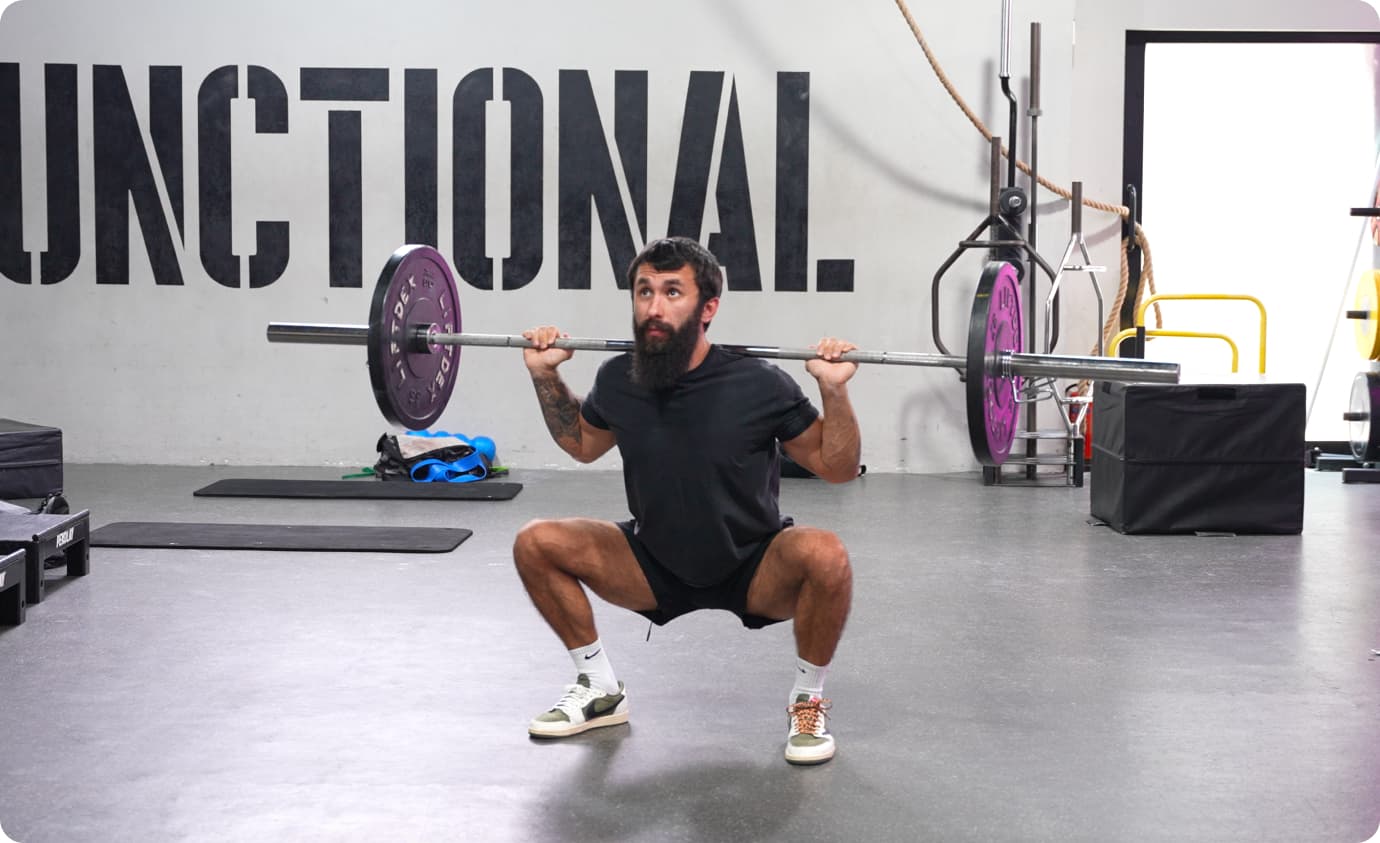
Squat technique is often copied without taking into account individual differences in movement mechanics, which can lead to discomfort over time. High-bar and low-bar positions look similar, but they distribute the load on the body differently. It's more important to find the right option than to stick to a single standard.
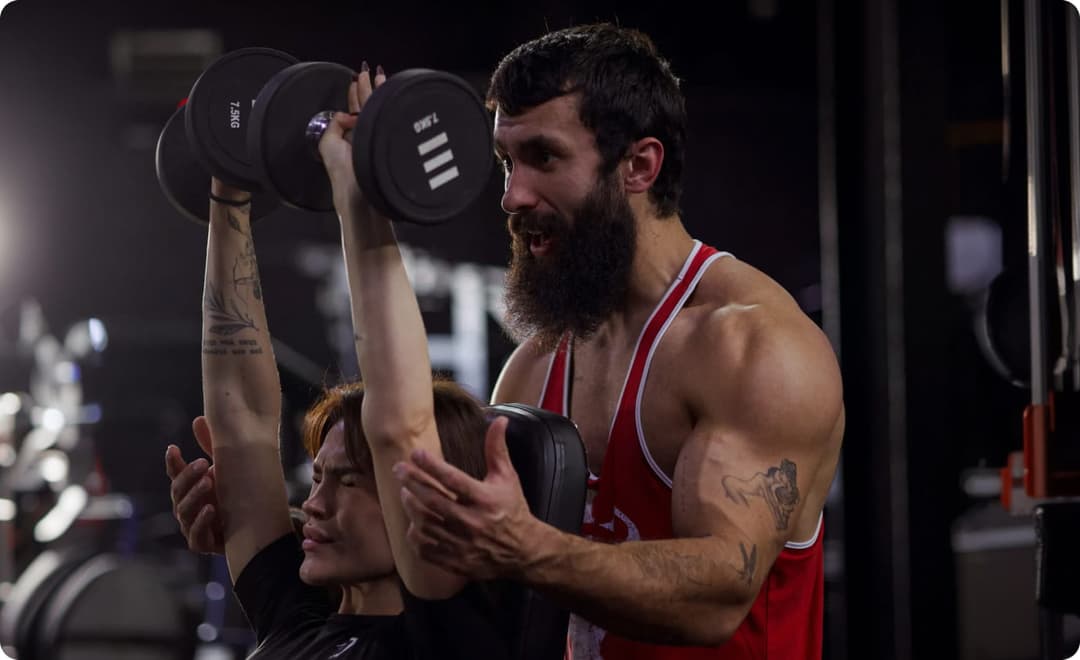
Anatoly Fit embodies this idea in his consistent training sessions. Body positioning is always adjusted based on how the movement feels and is executed in practice.
What Changes When You Move the Bar
Bar position directly affects bar placement mechanics and load distribution across the body. A higher position keeps the torso more upright. A lower position shifts the center of gravity slightly backward and alters the angle of movement.
It also affects how different joints are engaged during the lift. A more upright stance increases the load on the knees, while a more inclined stance engages the hips earlier. Understanding this difference makes it easier to adjust your movement rather than forcing yourself into a position that doesn’t suit your body type.
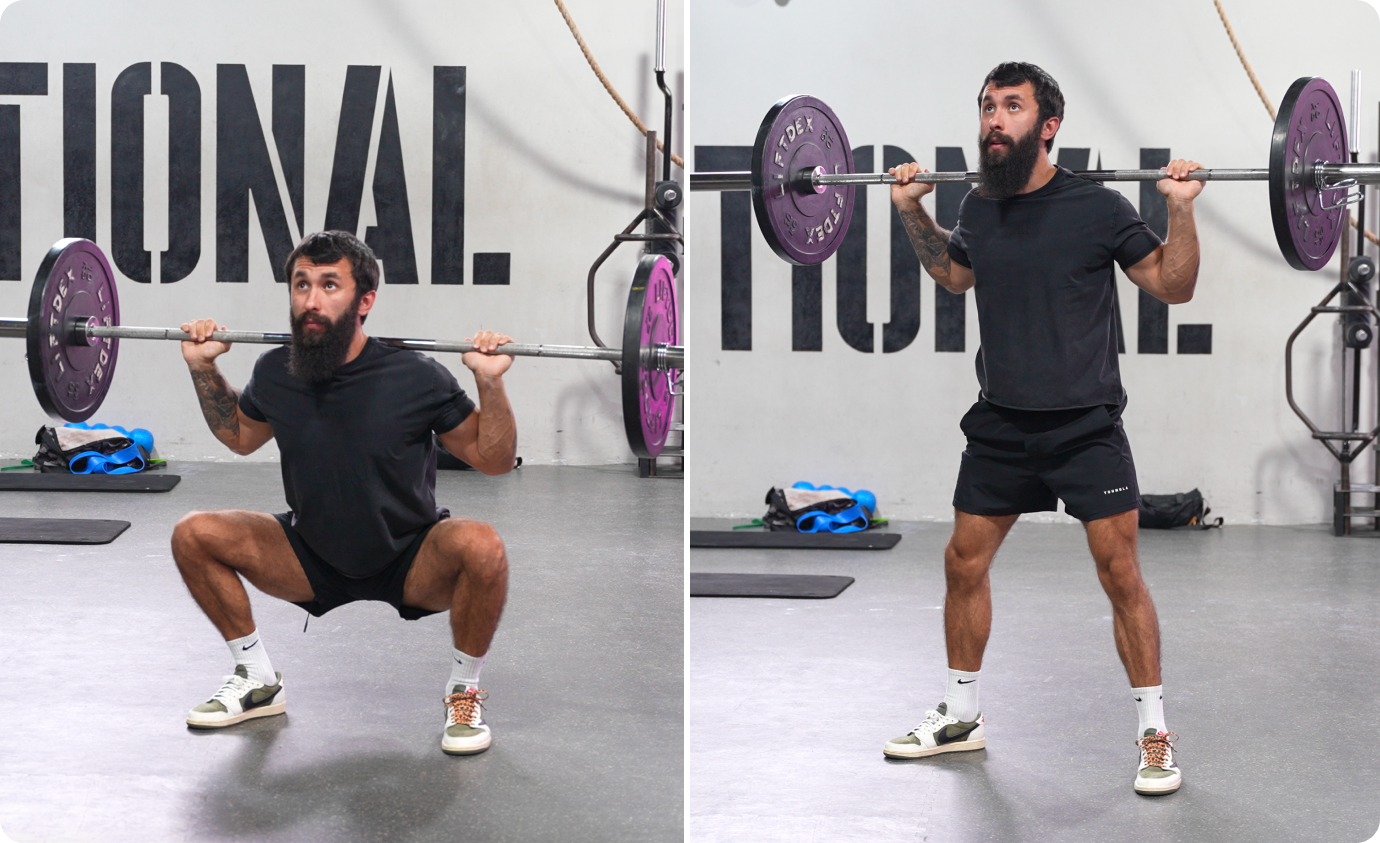
High Bar vs. Low Bar: Key Differences
Both of these options affect how the body distributes the load and which muscles play a leading role during movement.
High bar:
More upright torso throughout the lift;
Higher reliance on quad dominance;
Requires solid ankle mobility to stay balanced;
Allows deeper hip depth without losing control.
Low bar:
Noticeable forward lean of the torso;
Stronger involvement of the posterior chain;
Reduced demand on ankle range;
Shorter overall range of motion.
Consequently, each of these methods can be effective. It’s important to see how your own body reacts to the workout and choose the appropriate option.
Why Pain Appears in Different Places
Discomfort usually comes from how force is transferred, not from the exercise itself. When the setup doesn’t match mobility or control, certain areas take more stress than intended.
Knee discomfort often occurs when forward movement is not properly controlled. When the range of motion in the ankle joint is limited or movement dynamics are unstable, this can lead to valgus collapse (biomechanical dysfunction).
Tension in the lower back can occur if you don’t control the depth of your squat. At the bottom of the movement, your pelvis may shift. Butt wink correction involves reducing the depth of your squat and maintaining a stable position.
To reduce stress, focus on joint alignment and control before increasing load. Knees should remain above the feet, and muscles should stay engaged during the downward phase of the movement, rather than striving at all costs to achieve maximum depth.
How to Find Your Position
There is no single setup that works for everyone. The goal is to match the movement to your structure and control, not to copy how someone else squats.
Perform both types of squats and compare how stable each one feels.
First, check for ankle mobility, as this, rather than strength, is most often what limits proper body alignment.
Carefully monitor the path of your knees to avoid valgus collapse under load.
Adjust the depth of the squat within a range you can control, rather than forcing yourself.
At the bottom of the squat, keep your muscles engaged to control your body position and improve butt wink correction.
Consistency and predictability are more valuable than trying to conform to a particular style.
The Position That Works — and Keeps Working
Progress in squats is rarely achieved by striving for a specific form. Small steps and minor adjustments to form often matter more than increasing the weight. The main thing is to do it in a way that feels comfortable for your body.
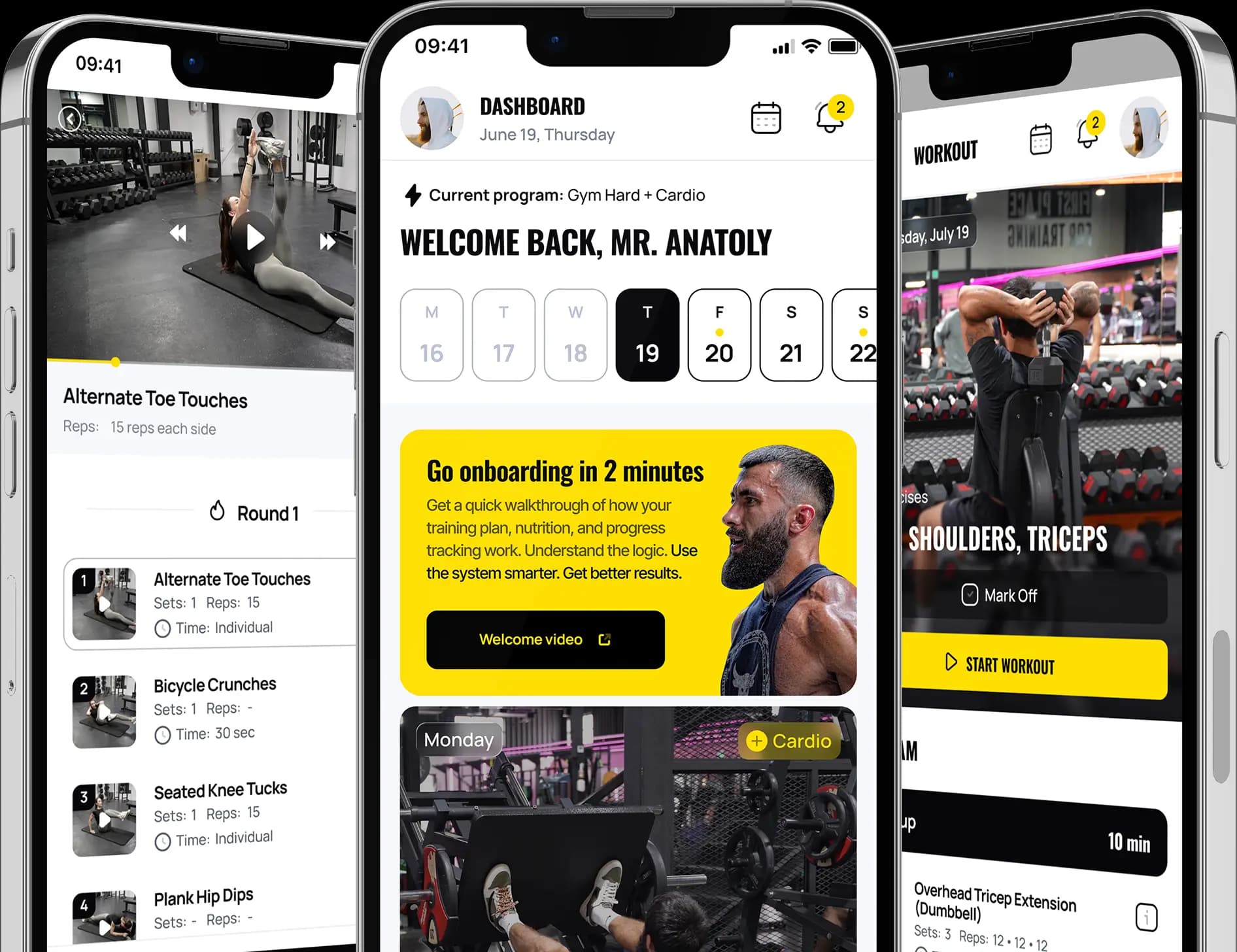
A structured approach helps simplify this process. In the Anatoly Fit program, workouts are based on clear movement patterns and repetitive positions. Each session brings you closer to your desired result and helps you build on it. Keeping your body healthy is more important than achieving quick results and ending up with ongoing problems.
Subscribe for Updates
By signing up for our newsletter, you agree to the terms outlined in our privacy policy. You can unsubscribe at any time.