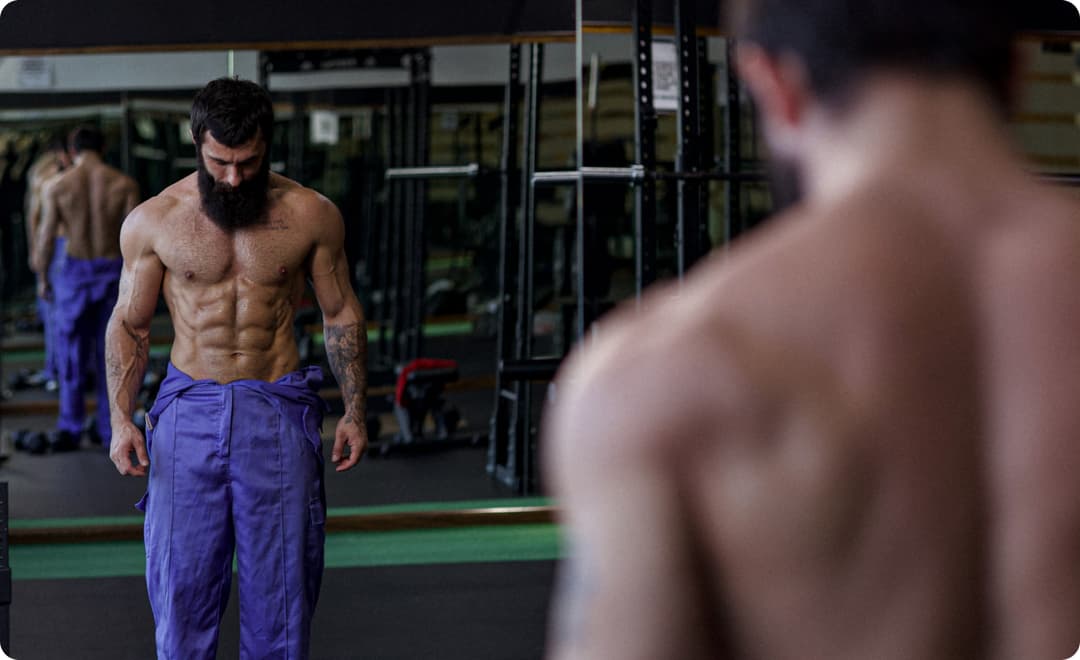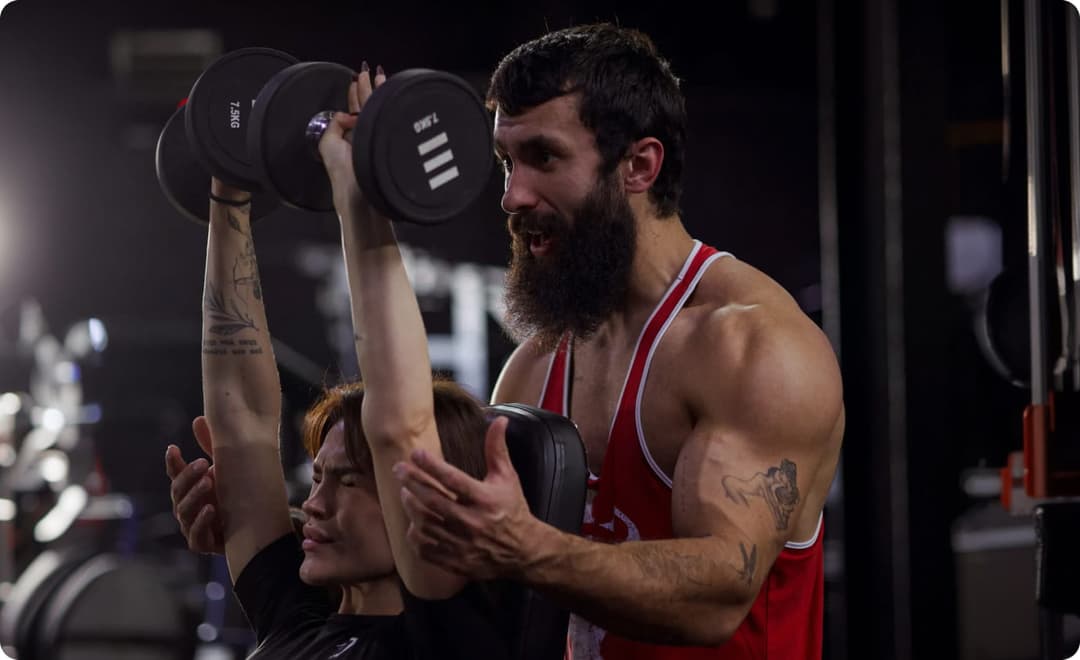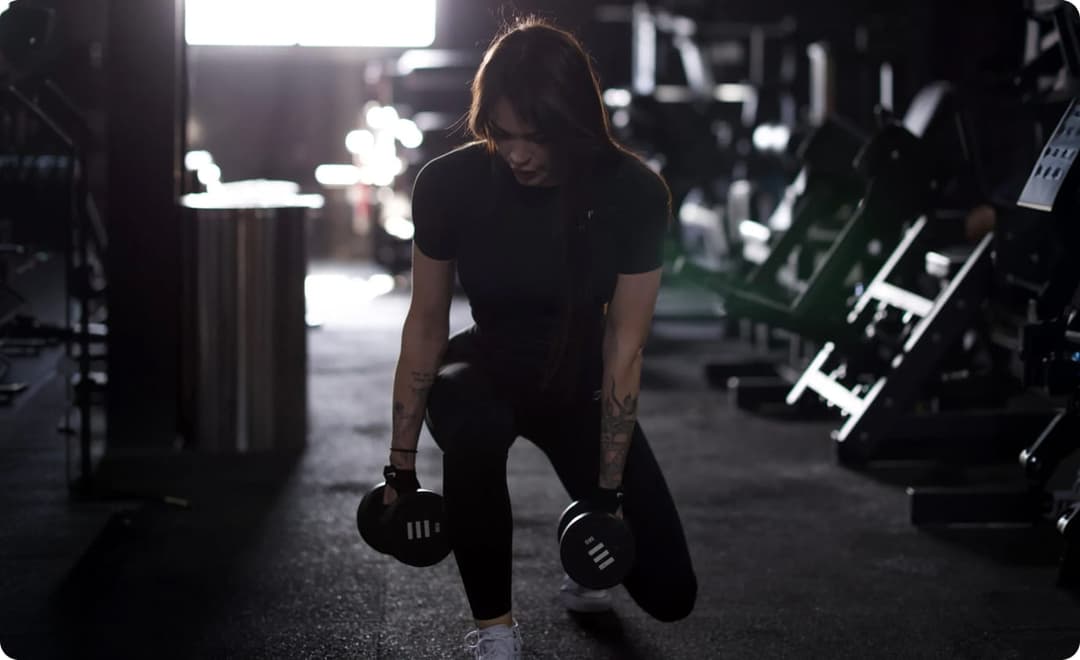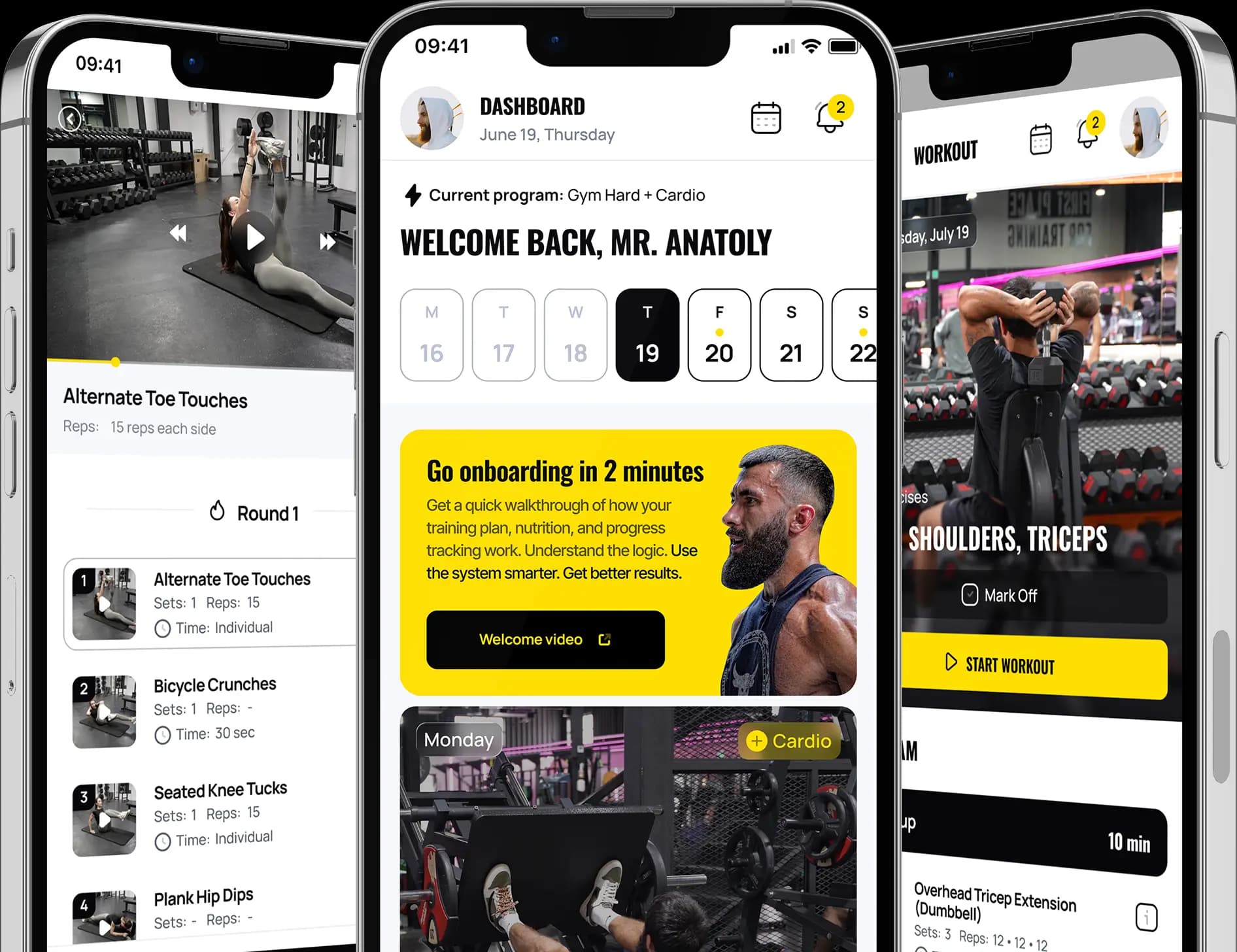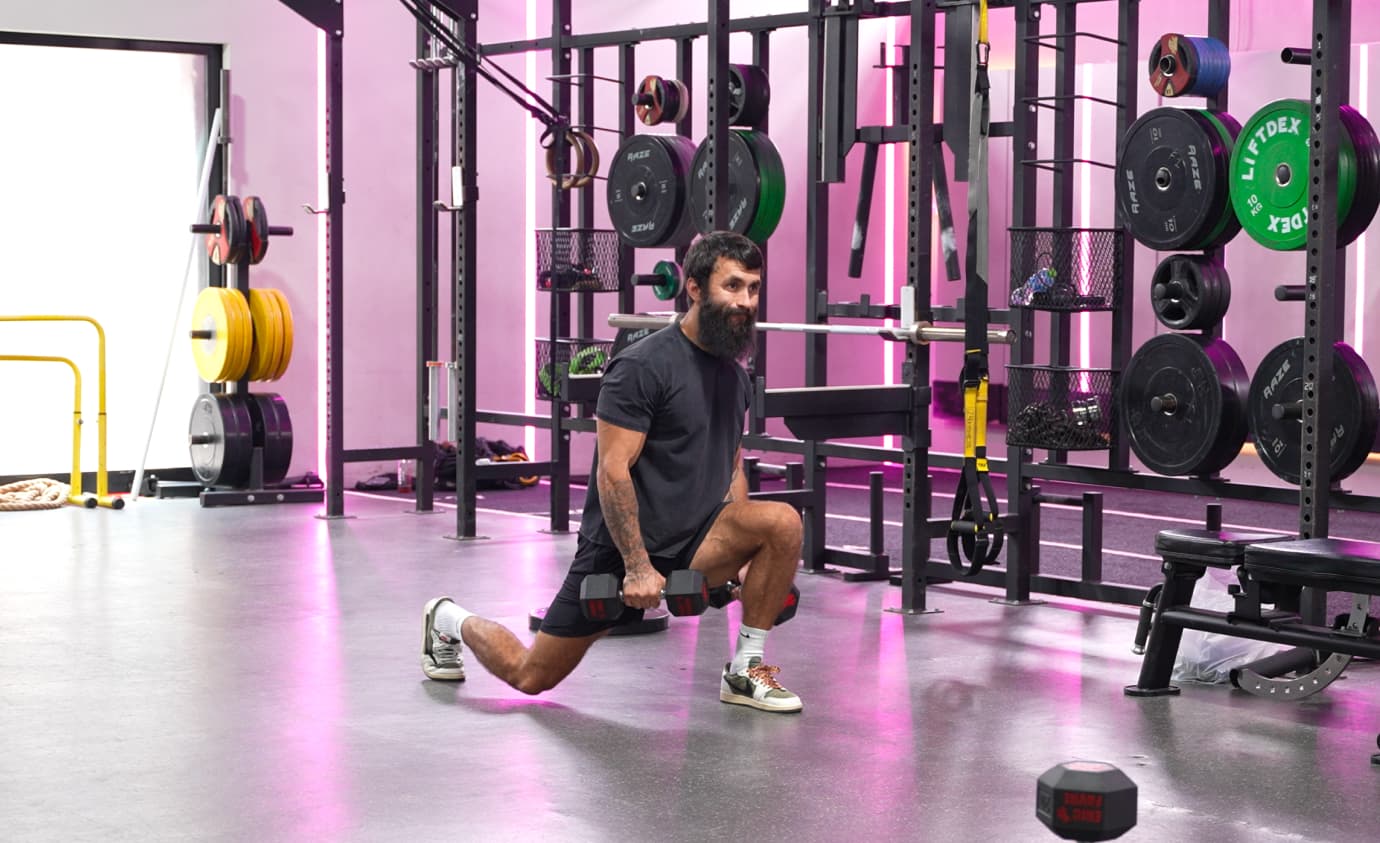
An effective leg workout starts with targeted strength exercises, not a random mix of drills — strong legs help you lift heavy objects, improve your balance, and support your entire body. This principle is at the core of the Anatoly Fit method and the APS system: Vladimir Shmondenko built his own strength over years of training squats, deadlifts, and systematic lower-body work.
Why Leg Strength Comes First
Strong legs aren't just a nice bonus — they're the cornerstone of almost every serious lift. A well-planned leg workout usually starts with a single heavy compound movement, most often the squat, because it demands the highest level of strength, coordination, and concentration. Everything after that — quads, hamstrings, glutes, calves — builds on that base without compromising technique.
Basic exercises build strength and coordination; the movements that follow target weaker areas and add useful volume. Strengthening the whole movement matters more than randomly exhausting one muscle group — which is why training starts with controlled technique and a gradual increase in load, not with chasing soreness or swapping in new exercises every week.
How to Structure a Leg Workout
The same exercises can produce very different results depending on intensity, rep count, rest time, and weekly volume. A bodybuilder, a runner, and a gymnast might do similar movements, but their pace and goals will differ. Before changing your whole program, decide exactly what you want from your leg training, and adjust those specific parameters first.
Adjusting Training for Different Goals
For muscle mass: train with enough resistance and volume to stimulate the muscle without turning every set into a maximum-strength test. Controlled squats, leg presses, lunges, and Romanian deadlifts in a moderate rep range work well — add weight only once you can complete every rep with good form.
For muscle definition: you don't need a separate set of "cutting" exercises. Muscle shape becomes more visible when regular strength training is paired with proper nutrition. Keep the core lifts, trim rest periods slightly, and add isolation work for extra volume without overloading the joints.
For lean, toned legs: combine strength work with moderate-intensity training. Alternating compound lifts with single-leg exercises helps preserve muscle while raising overall energy expenditure — just don't cut intensity so far that the session turns into cardio with barely any muscle engagement.
For fat loss: leg workouts work best as part of an overall fitness plan, not as a way to spot-reduce fat from your legs specifically. Big lower-body movements burn real energy, but results still come down to diet, recovery, and total weekly activity — train legs hard, then add walking or cardio separately instead of rushing through your strength sets.
Home or Gym: What Actually Matters
An effective leg workout doesn't depend on having every machine available — what matters is choosing exercises you can safely repeat, track, and progressively load over time.
At home, bodyweight squats, lunges, and wide-stance squats (which shift more emphasis to the inner thigh) work well. Slowing down the lowering phase or adding pauses keeps bodyweight training genuinely challenging, and these movements combine easily into a short circuit if you want to raise the pace without losing control.
At the gym, working with external load simply makes it easier to manage progression — a barbell, dumbbells, or a leg machine all help ensure steady increases. A resistance band adds useful tension for squats, side lunges, and glute work without needing much space at all. The APS system picks exercises based on whatever equipment is actually available — sequencing, form, and gradual load increases matter far more than where you happen to train. (For the philosophy behind training with whatever you have on hand, see How to Train Without a Gym.)
A Real Leg Day From the APS Program
This routine combines compound and auxiliary exercises in a deliberate sequence — a balanced mix of heavy strength work, unilateral movement, and isolation, rather than one single style of training:
Low Bar Squat - Maximum strength
Leg Press - Quad volume
Dumbbell Romanian Deadlift - Hamstrings and glutes
Dumbbell Lunges - Balance and stability
Leg Extension + Leg Curl - Final isolation work
The session opens with the heaviest compound lift, moves into machine work and unilateral movements, and closes with an isolation superset for the quads and hamstrings — a structure that balances heavy lifting with enough volume to drive growth.
Common Mistakes in Leg Training
Even a solid training plan can underperform if a few basic habits keep getting in the way. These mistakes are common among beginners, but they can just as easily stall an intermediate lifter who stops paying attention to the fundamentals:
Skipping the warm-up and going straight into heavy sets
Using weight you can't control, which cuts your range of motion short
Ignoring recovery and repeating the same session before your legs have actually recovered
Training everyone on the same program regardless of age — men over 45 in particular often benefit from adjusted volume, more recovery time, and different exercise selection to support long-term joint health
Small adjustments usually beat constantly switching exercises or chasing the next new training method.
How APS Builds Stronger Legs
Strong legs come from consistency, not from rebuilding your routine every week. The Anatoly Fit program follows a progressive approach that builds strength, muscle, and movement quality through a structured plan, so each session adds to lasting results instead of chasing short-term motivation — a straightforward system for men who want clear direction, whether the goal is performance, size, or overall fitness.
Frequently Asked Questions
How many times a week should men train legs? Most lifters do well with 1–2 dedicated leg sessions per week, with enough recovery between them to fully restore before the next heavy session — training every muscle group on an identical schedule regardless of recovery is one of the most common mistakes.
Can you build strong legs at home without equipment? Yes — bodyweight squats, lunges, and wide-stance squats are genuinely effective if you slow the lowering phase or add pauses to keep tension high, and a resistance band adds extra load without needing gym equipment at all.
What's the single best exercise for leg mass? The squat, in one of its forms — it demands the most strength, coordination, and concentration of any leg movement, which is why it anchors most well-structured leg workouts.
Should older men train legs differently? Yes — men over 45 in particular often benefit from adjusted training volume, longer recovery periods, and different exercise selection to support long-term joint health, rather than following the same program as a younger lifter.
Can leg workouts help you lose fat from your legs specifically? Not directly — spot reduction isn't how fat loss works. Leg training burns real energy and builds muscle, but visible fat loss depends on your overall diet, recovery, and weekly activity, not on targeting one body part.
Subscribe for Updates
By signing up for our newsletter, you agree to the terms outlined in our privacy policy. You can unsubscribe at any time.