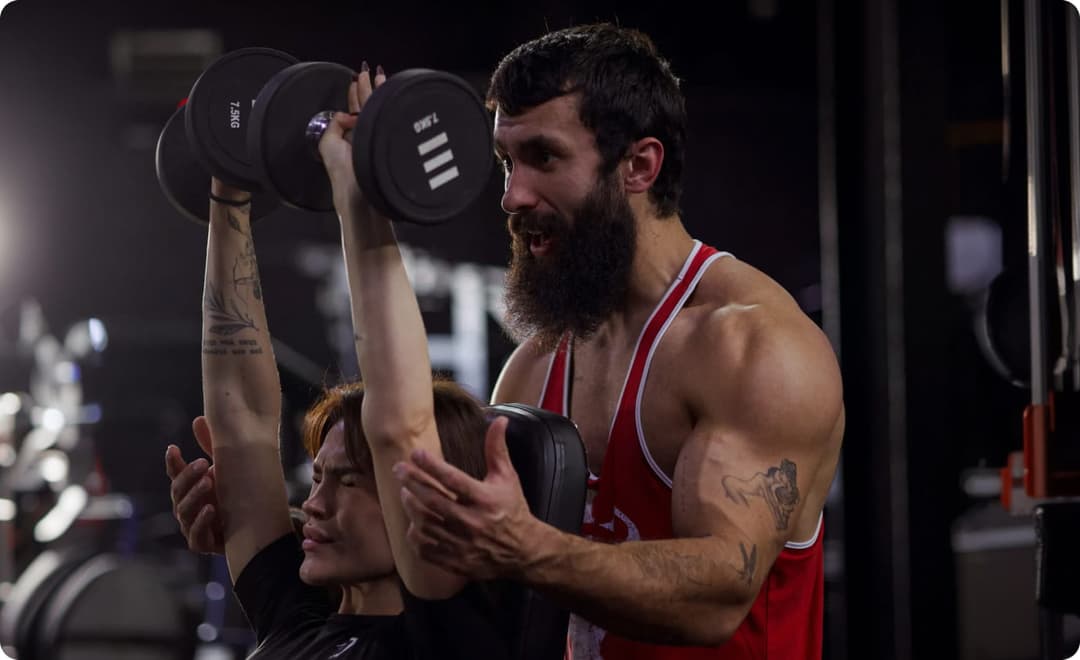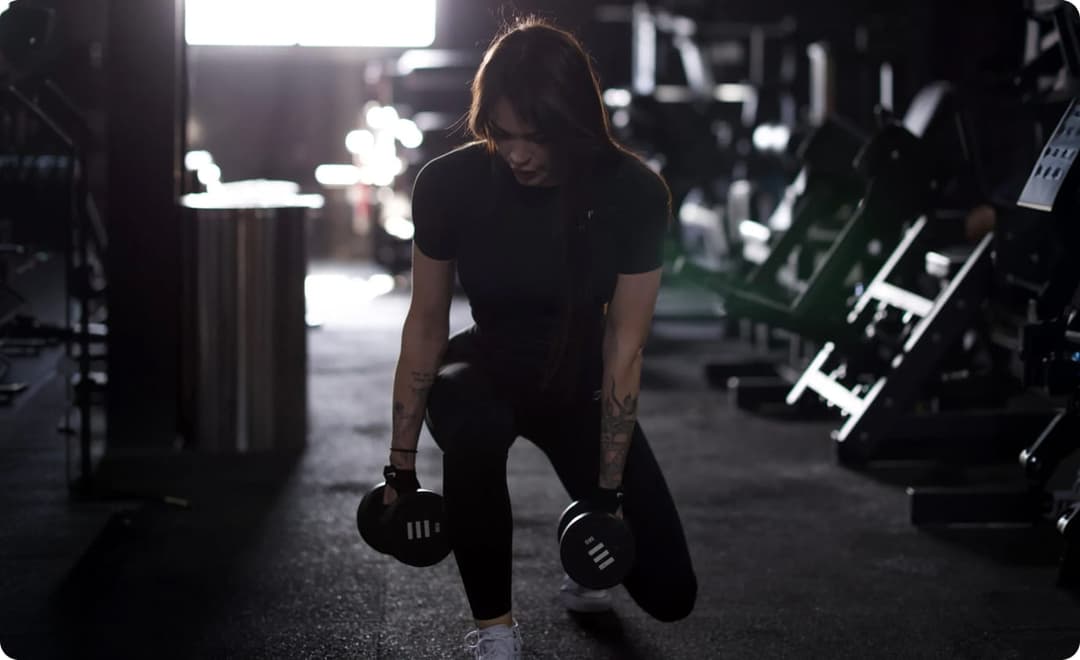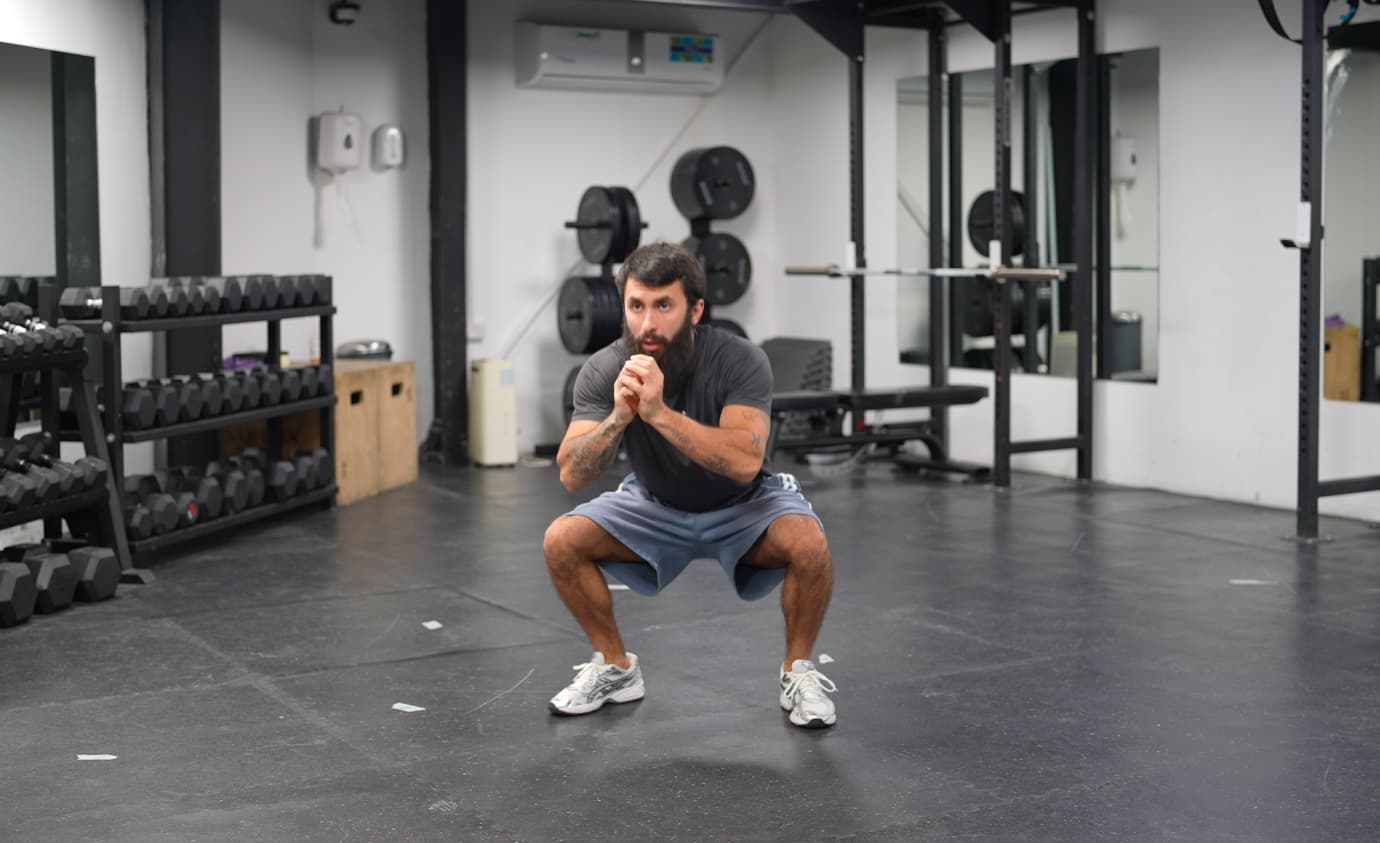
A lot of people blame weak legs when they can’t do a deep squat. They add more weight, change their foot placement, or keep repeating the movement over and over, hoping that things will improve over time. The Anatoly Fit program starts from a different perspective. Before changing the squat, it’s a good idea to pay attention to how your hips move, since limited mobility is often the real reason why the position feels unstable or uncomfortable.
Vladimir Shmondenko views mobility as part of strength training, rather than as a separate stretching session. Even a powerful athlete can lose depth in their squat if their hips stop moving freely enough to ensure proper form. That’s why improving squats isn’t always about building muscle. Sometimes just a few minutes of preparation is all it takes to make squats feel completely different.
How Hip Joint Mobility Affects Squats
The hip joints act as a bridge between the upper and lower body. If they cannot move freely enough, the body begins to look for another way to lower itself. Some people lean too far forward, others lift their heels, and still others feel that their lower back takes on the load before they reach the desired depth.
Usually, several areas work together:
Pelvic mobility helps the pelvis rotate naturally during the descent;
Healthy hip movement allows the knees and torso to remain in a more stable position;
Good ankle flexibility promotes balance, but cannot fully compensate for hip stiffness.
In his program, Anatoly always emphasizes this before moving on to heavier weights. For him, flexibility isn’t a separate hobby or a lengthy post-workout stretching session. It’s one of the tools that helps him maintain control over every squat — from the first warm-up set to the heaviest lift. Better mobility makes it easier to maintain proper form, and it’s precisely this consistency that builds strength over time.
How Anatoly Prepares Before Heavy Squats
Weightlifting squats begin long before the barbell is loaded. The first few minutes determine the quality of the entire workout, so rushing through this stage usually creates more problems than it saves time. Vladimir Shmondenko views the warm-up as part of the workout itself, not as something that can be skipped when the gym is crowded.
Before moving on to the main exercises, a warm-up typically includes:
Dynamic stretching to raise your body temperature and relax tense muscles;
Hip opener to improve hip joint mobility;
Hip flexor stretch if sitting or driving has caused tension in the front of the thighs;
Several slow bodyweight squats to check balance and squat depth;
A few light warm-up sets with a gradual increase in weight.
The entire sequence takes only a few minutes, but it prepares your thighs for flexibility training and helps control each squat better. Instead of forcing yourself to go deeper into the squat, your body has time to naturally assume a more stable position.
This idea is also evident throughout Anatoly Fit’s system. Mobility isn’t treated as a separate workout done once a week. It becomes part of regular routines, which makes it easier to maintain proper movement patterns as weight increases.
Three Mobility Drills Worth Keeping
To improve hip joint mobility, you don’t need long stretching sessions. A few well-chosen movements, performed regularly, often yield better results than doing a variety of different exercises from time to time.
Frog pose — helps stretch the hips and reduce tightness in the inner thighs. It’s a good exercise to do after workouts or on recovery days.
Deep squat hold — teaches the body to feel comfortable at the bottom of the squat. Hold the position while breathing calmly, rather than trying to go even deeper.
90/90 hip rotations — improve the rotation of the hips and make it easier to control movements at different angles. Especially useful before squat workouts.
None of these drills take much time. Five minutes of focused practice a few times a week usually yields better results than a single long flexibility session that gets forgotten until the following weekend.
Before Every Squat Session
Taking a couple of minutes before starting your first set can help your entire workout go more smoothly. Instead of rushing to get under the bar, take a moment to check how your body is moving.
Prior to your first squat:
Spend 3–5 minutes doing a simple squat warm-up;
Do a few slow bodyweight squats;
Make sure your feet are firmly planted on the floor;
Do two or three light practice sets before adding weight.
This short exercise isn’t meant to tire you out. Its purpose is to spot minor issues before they develop into more serious ones. If your hips move more freely and your empty-bar squat already feels balanced, then the likelihood that your form will remain consistent as you increase the load is much higher. This also has a positive effect on long-term joint health.
Better Squats Start Before the First Rep
A deeper squat is rarely the result of greater effort. More often, it's achieved through sufficient physical conditioning, when every movement feels natural rather than forced. Small improvements in mobility, warm-ups, and technique gradually add up over time.
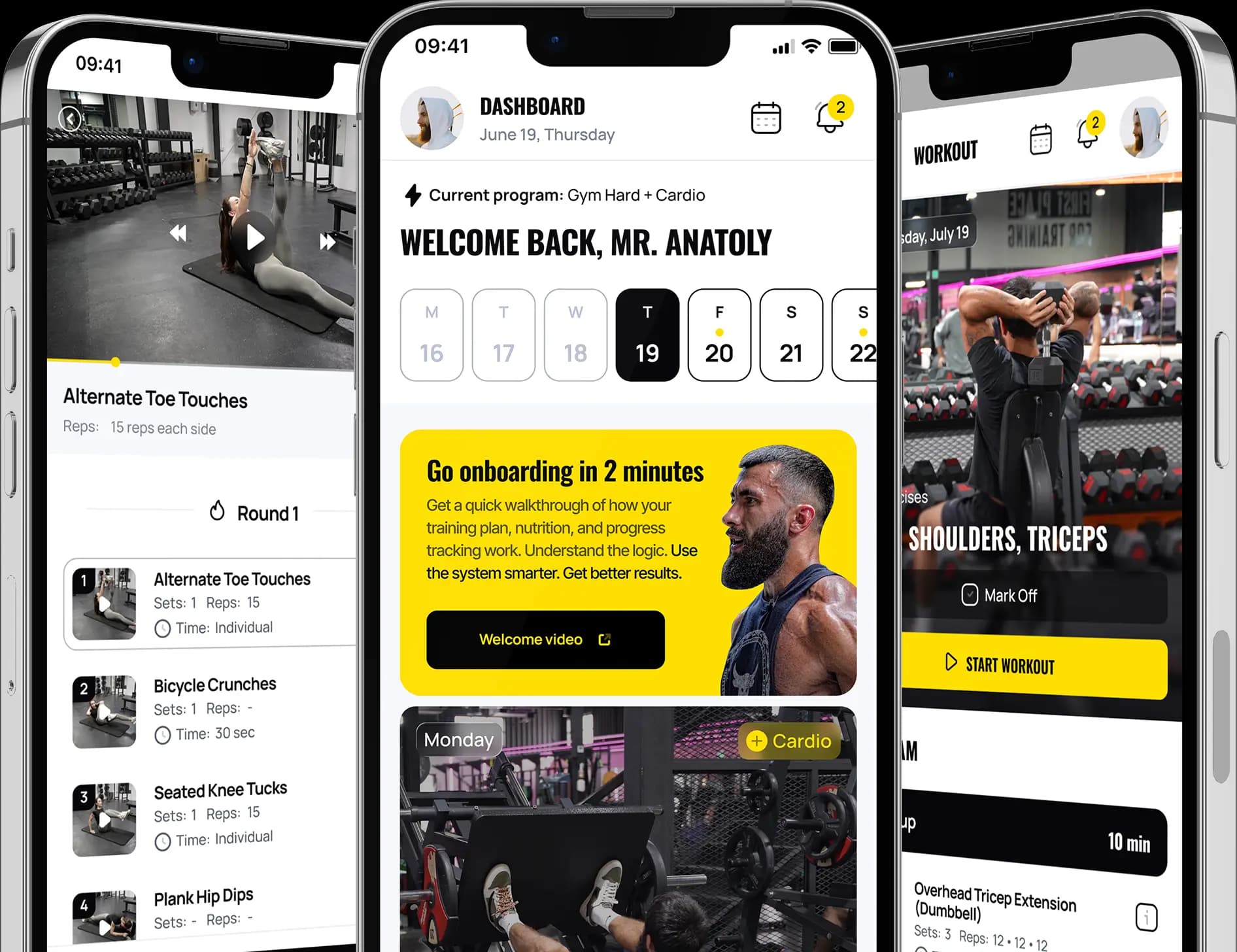
This is the core idea behind Anatoly Fit. The APS platform combines strength training, mobility work, and hands-on coaching into a single system, helping to make every squat more controlled, repeatable, and confident — without resorting to “quick fixes”.
Subscribe for Updates
By signing up for our newsletter, you agree to the terms outlined in our privacy policy. You can unsubscribe at any time.