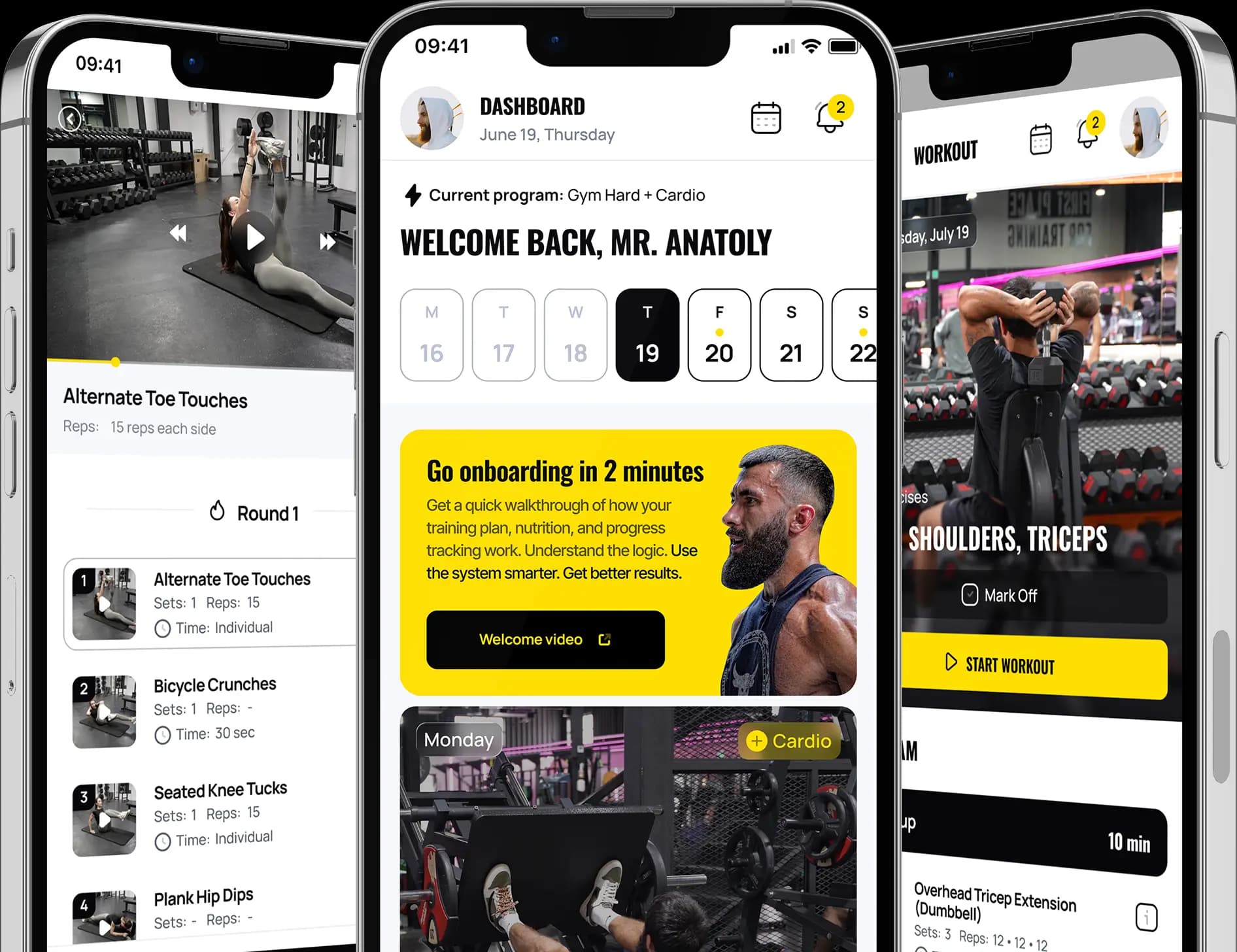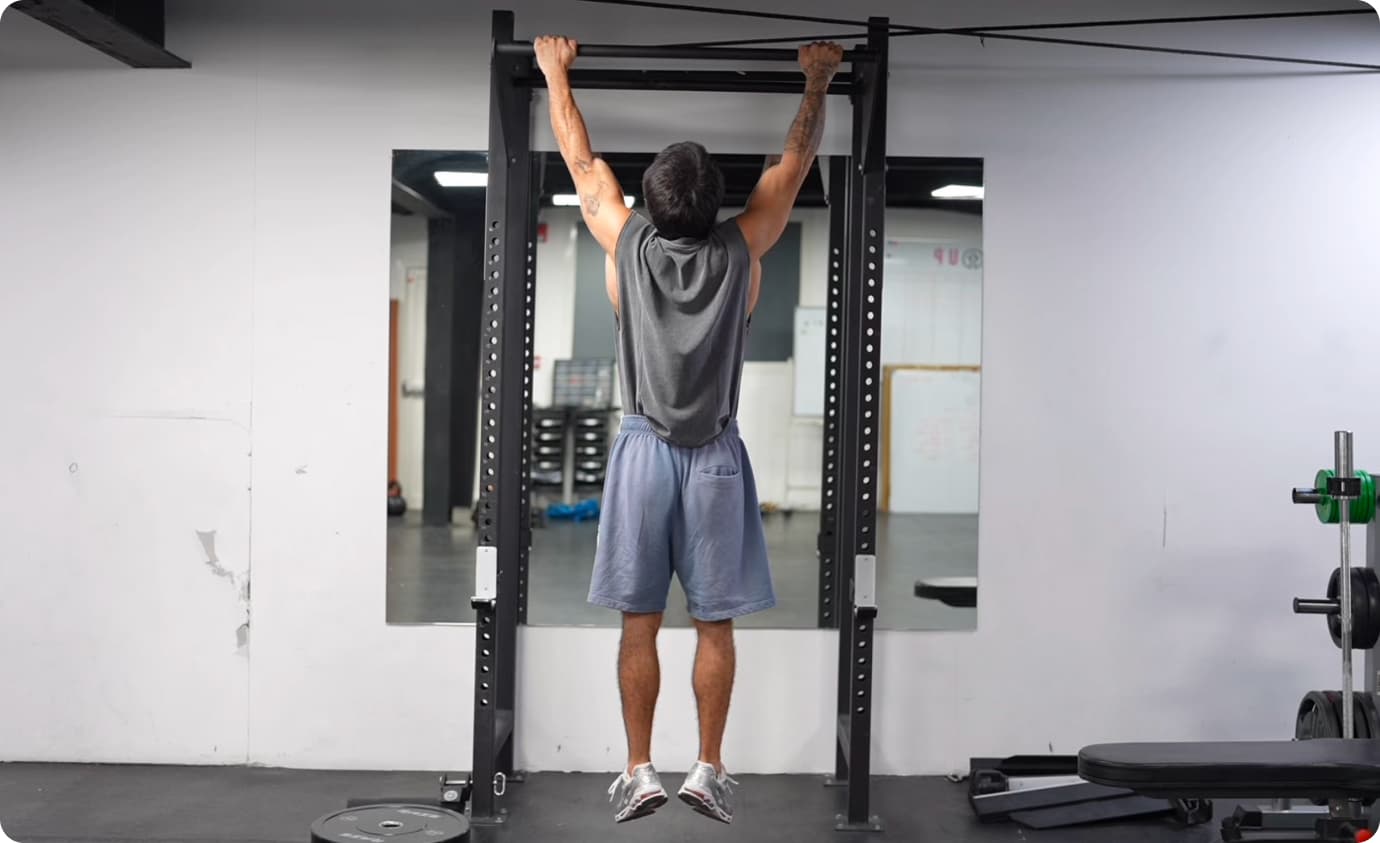
Grip strength is one of those things people notice only when it starts to fail. The bar slips, the hang ends early, and carries stop being useful. That is why grip is part of real, practical strength — the kind people call “old man strength”. In the APS app, this weak link is not ignored, because progress in bigger lifts also depends on how well you can hold the weight.
Why Grip Strength Gets Ignored
A lot of people think their back or legs are the weak point, but the hands quit first. Straps can hide that for a while, so the problem stays unnoticed. At the same time, regular grip work can support forearm hypertrophy and make the arms look denser, not just stronger. It also adds useful load to the muscles involved in brachioradialis exercises, especially during carries, hangs, and heavy holds.
Common signs grip is limiting progress:
The bar starts to slip before the set feels truly hard.
The body is ready for more reps, but the hands aren’t.
Straps become necessary too early in training.
Better grip does more than just keep the bar in the hands. When the hold is stable, force transfers more directly through the arms and torso. If the fingers open early, the whole chain loses tension.
Quick self-check
Hanging from a bar feels difficult before 30 seconds pass.
The fingers open before the main muscles feel tired.
Straps are used in most working sets.
If these points sound familiar, grip may be limiting overall progress.
Types of Grip Strength That Matter
Hands don’t fail the same way in every exercise. Sometimes it’s hard to close the grip strongly. In other cases, it’s hard to keep the hold for a longer time.
Main grip types:
Crushing grip — the ability to close the hand with force.
Pinch grip training — holding an object between the thumb and fingers.
Support grip — keeping the hand closed for time under load.
Work with thick handles — close in feel to fat gripz training.
If one type is weak, the whole hold starts to break earlier.
Top 5 Exercises for Grip Strength
You don’t need a long list here. A few simple exercises are enough if you do them regularly and without straps. The point isn’t to burn the forearms. The point is to make the hands hold the load longer and with more control.
Top exercises:
Dead hang — hang and keep the hold as long as possible.
Plate hold — press the plates with the fingers.
Thick handle hold — the grip gets tired faster.
Farmer’s walks — noticeable farmer’s walk benefits appear with regular practice.
Walking with weight — try not to adjust the grip too often.
They don’t require special equipment, but the hands work more than usual.
Simple Way to Check and Improve Grip
You can use grip strength testers from time to time, but keep the setup the same. Hold the device the same way each time and do not turn it into a long test session. One or two attempts are enough. It helps to note the number so you can compare later.
If there is no tester, pick one bar and use it for a dead hang. Start the timer and hold as long as possible without changing the grip. Try to repeat the test in similar conditions. When the time slowly increases, the hands are adapting to the load.
Progress doesn’t always require adding weight. Small adjustments already make the task harder for the hands:
Keep the bar in the palms a bit longer before lowering it.
Try to maintain the same grip during the whole set.
Occasionally use a thicker handle than usual.
These small changes gradually increase tolerance to load without changing the main exercises.
Grip Strength Improves With Practice
The hands adapt when they hold weight regularly. Short extra holds after normal exercises are often enough to notice progress.
Grip strength improves faster with regular training. Even without specific exercises. As an example, try not to rely on the passive support of straps whenever possible, and do a few sets without them. Such small details gradually increase your ability to handle the load.
Another option is to occasionally keep the equipment in the palms for a few extra seconds after the repetition is finished. The effort is minimal, but over time this creates a more confident connection between the fingers and the bar. Many training plans skip grip work because it slows visible progress in the short term. In the APS app, grip is included in a way that does not reduce performance but gradually supports stronger and more stable lifts.
Subscribe for Updates
By signing up for our newsletter, you agree to the terms outlined in our privacy policy. You can unsubscribe at any time.