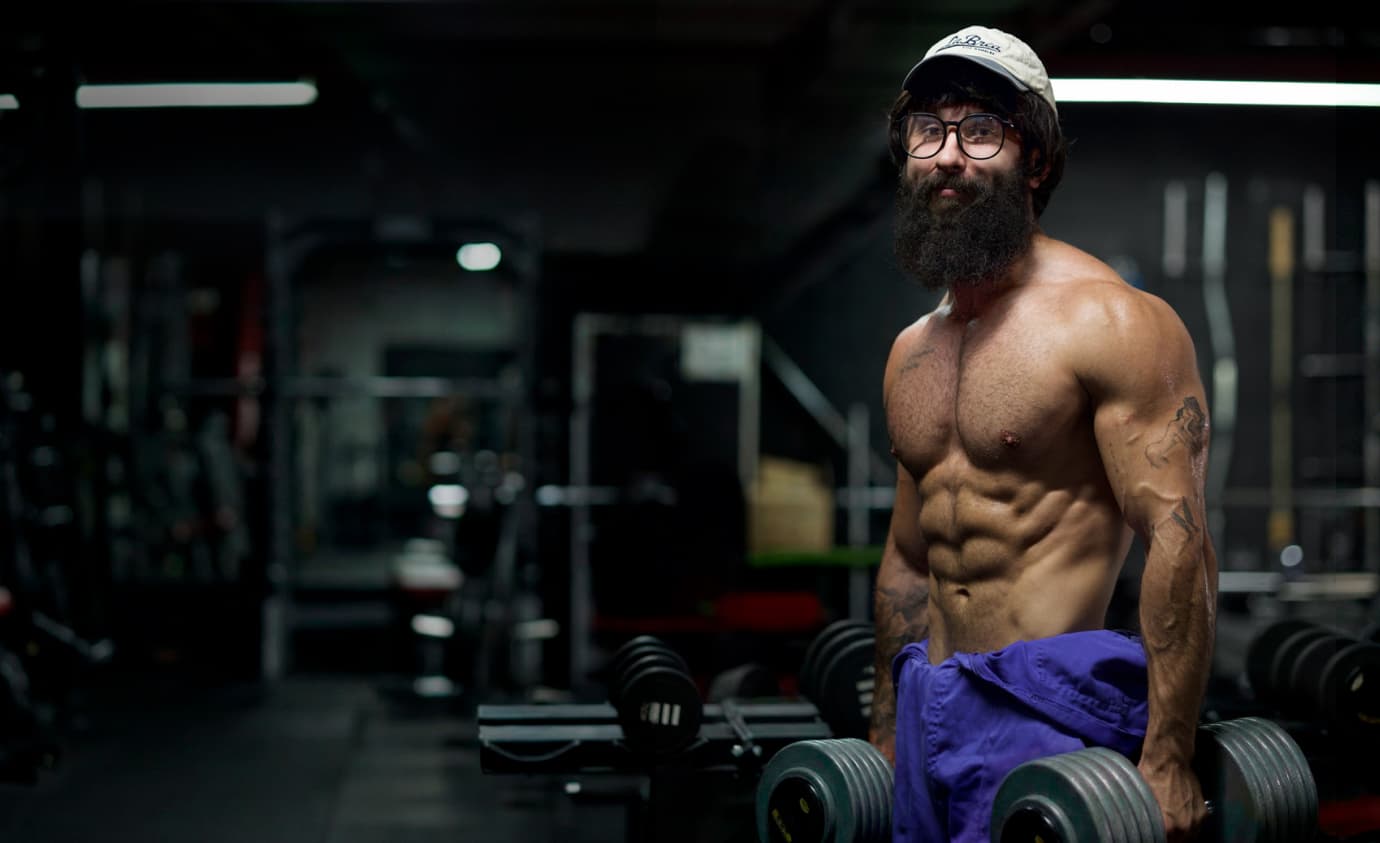
Beginners often focus on equipment before they even pay attention to their form. Belts, sleeves, specialized shoes, wraps — all of this seems like a “shortcut” to “serious training”. But equipment only helps when there’s a solid foundation underneath it: technique, strength, and hard work.
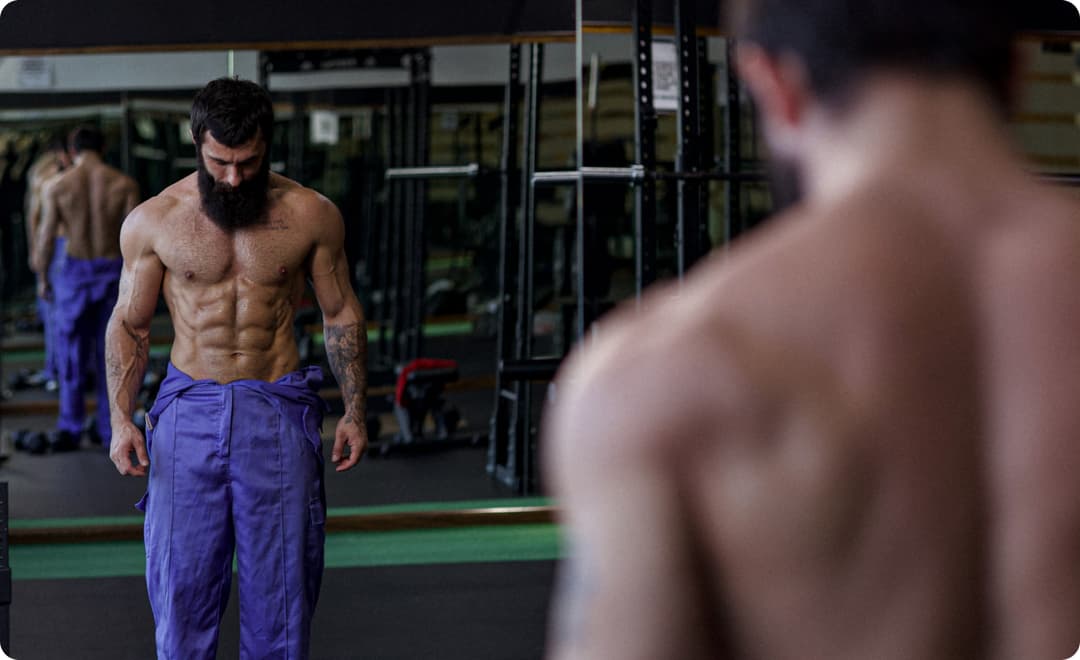
Vladimir Shmondenko started with homemade kettlebells, bricks, and tractor parts, and there wasn’t a single fancy gym nearby. These humble beginnings shaped how Anatoly Fit views training today: equipment can facilitate progress, but it should never be the reason why you train.
What Beginners Usually Buy Too Early
A novice weightlifter can waste a lot of money trying to look “ready”. A single order turns into a weight belt, sleeves, wraps, shoes, chalk, straps, and a gym bag full of gear that’s hardly ever used. The problem isn’t the equipment itself. The problem is that people buy it before their bodies have learned to move properly.
Anatoly’s own story proves that strength doesn’t start with perfect equipment. He laid the foundation using homemade weights long before he had access to proper equipment. This doesn’t mean that newbies should train haphazardly. It means that the top priority is simpler:
Master the techniques for squats, bench presses, and deadlifts;
Feel stable under the barbell;
Understand the principles of breathing and muscle contraction;
Focus on performing the exercises correctly before aiming for heavier weights.
Equipped powerlifting is something you'll get to later. But if your technique isn't perfect, the equipment won't help solve the problem.
What Gear Actually Comes First
Not every equipment item has the same value from the very beginning. Some tools help solve real problems even in the early stages. Others, however, only become useful once the weight increases and your exercise technique is already well-established.
Start With the Essentials
The first items should make training more precise, safer, or easier to repeat. They don't have to be expensive or flashy.
A beginning athlete can usually start with:
Liquid chalk for better grip during deadlifts, rowing exercises, or pull-ups;
Wrist wraps, if you experience discomfort in your wrists during bench presses;
Then — a lifting belt, when its use becomes appropriate.
Anatoly’s initial training routine hardly included any of this. That’s the whole point. Within the APS training system, equipment is treated as a performance tool—not a learning tool. A weight belt can help with heavy squats or deadlifts, but it can’t replace proper breathing, muscle engagement, and the correct path of the barbell.
What Can Wait
Some things are helpful but not essential. For example:
Knee sleeves can make squats safer and more comfortable, but they won’t correct knee instability.
Weightlifting shoes or squat shoes can help athletes who need a more upright position during squats, especially if they have limited ankle mobility.
However, newcomers do not necessarily need to buy anything before their first serious month of training begins. Vladimir Shmondenko built up his strength over the years using a minimum of gear. His lesson is simple: first master the movement, and only then add equipment when it helps solve a real problem.
Raw or Equipped?
In powerlifting, “raw lifting” refers to the use of only basic support equipment. This typically includes:
Simply a leather belt,
Thin elastic wraps or wrist straps,
Warm knee pads,
Chalk or magnesium.
The athlete must still lift the weight relying solely on their own strength and technique. For starters, this is the best departure point, since mistakes are easier to spot.
Equipped powerlifting is a different story. It involves the use of special suits, shirts, and auxiliary equipment that can alter the feel of the lift. It’s a skill in its own right, not a way to cut corners.
Vladimir’s approach is much closer to “raw” training. First, learn how to perform the exercise. Gain control over it. Add simple equipment only when it helps to perform a movement you’ve already mastered. For most novices, this approach is cheaper, safer, and easier to understand.
First Shopping Checklist
At the beginning, don’t make things harder on yourself. Start with:
Liquid chalk, if the grip is preventing you from completing your lifts.
Add wrist wraps if you feel unstable during the bench press.
You can use a lifting belt later, once you’ve mastered the technique of engaging your muscles.
Later on, you can buy weightlifting shoes, lifting straps, or other accessories. Anatoly's rule is simple: buy something when it actually makes a difference during your workouts, not when it just makes your sports backpack look cool.
Gear Should Earn Its Place
Good equipment is only useful when it comes in handy at the right moment. If a belt helps you brace better — use it. If chalk lets you hold the bar securely — great. But if an accessory just makes your workout look more serious, you can hold off on using it.
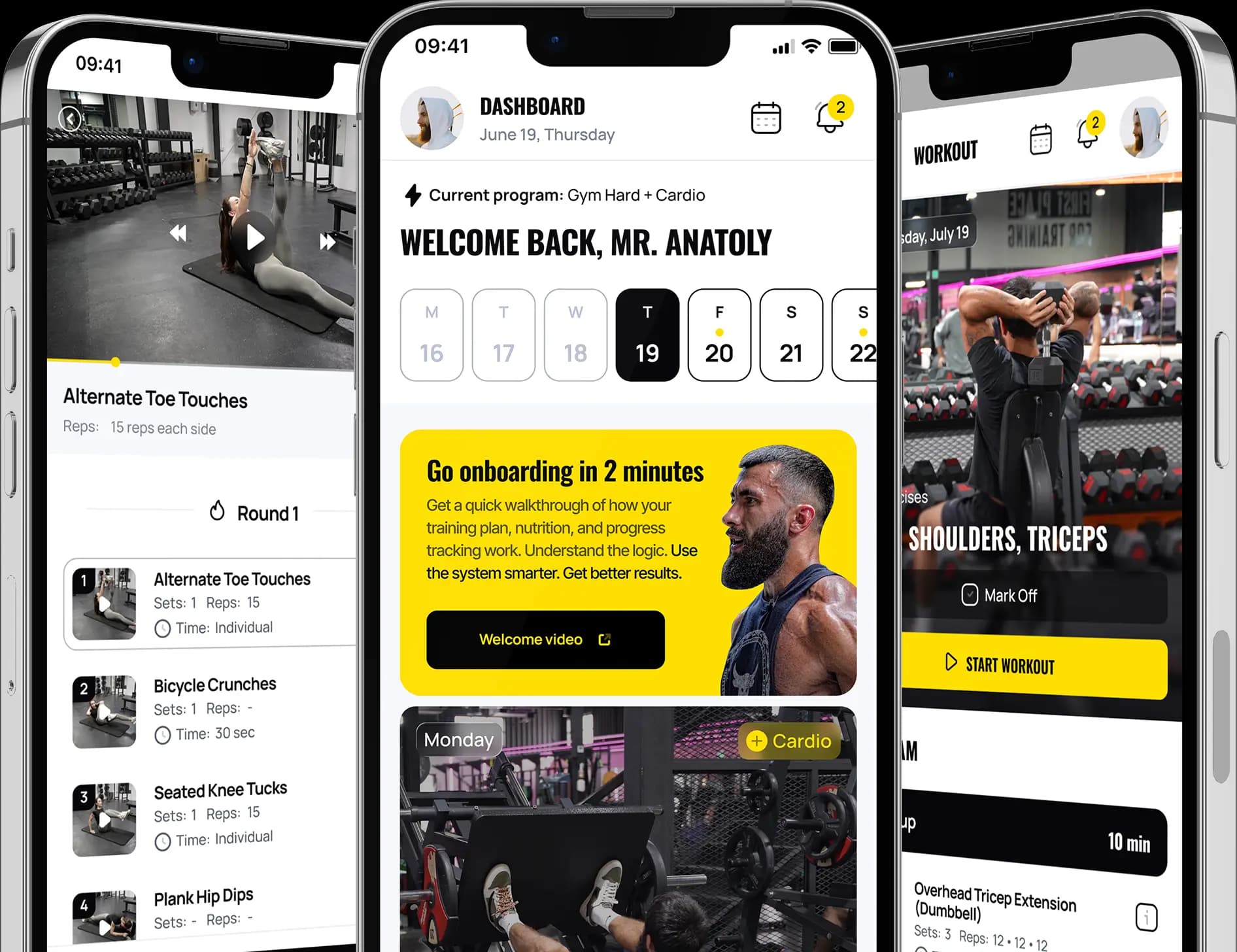
That’s exactly why Anatoly Fit puts movement first. The program teaches users to lift, repeat, adjust, and progress before shifting their focus to equipment. After all, the best purchase isn’t the most expensive item. It’s the one that helps you train better without distracting you from the work itself.
Subscribe for Updates
By signing up for our newsletter, you agree to the terms outlined in our privacy policy. You can unsubscribe at any time.