The deadlift is often considered “dangerous”, particularly in terms of lower back health. This perception stems from a misunderstanding of how the spine functions under load. In reality, our bodies adapt to the load provided the movement is performed in a controlled manner. On the Anatoly Fit platform, this approach is an integral part of training, where technique and load management are more important than fear of the exercise.
Where the Fear Actually Comes From
Concerns about deadlifts often start with how people interpret spinal flexion. A rounded back is usually seen as an immediate risk, especially in the context of common disc herniation myths. However, the issue is not the position itself, but the lack of control when load is applied.
In practice, the spine can tolerate different positions when movement is stable and predictable. Most problems arise when load, speed, and technique are not aligned, which turns a normal movement into a risky one.
What Really Protects Your Back
Back safety during deadlifts does not mean avoiding the load. If the body position and tension are controlled correctly, the spine can withstand the load much better than many people think.
A few key principles help keep the movement stable:
Maintain a neutral spine position throughout the entire lift;
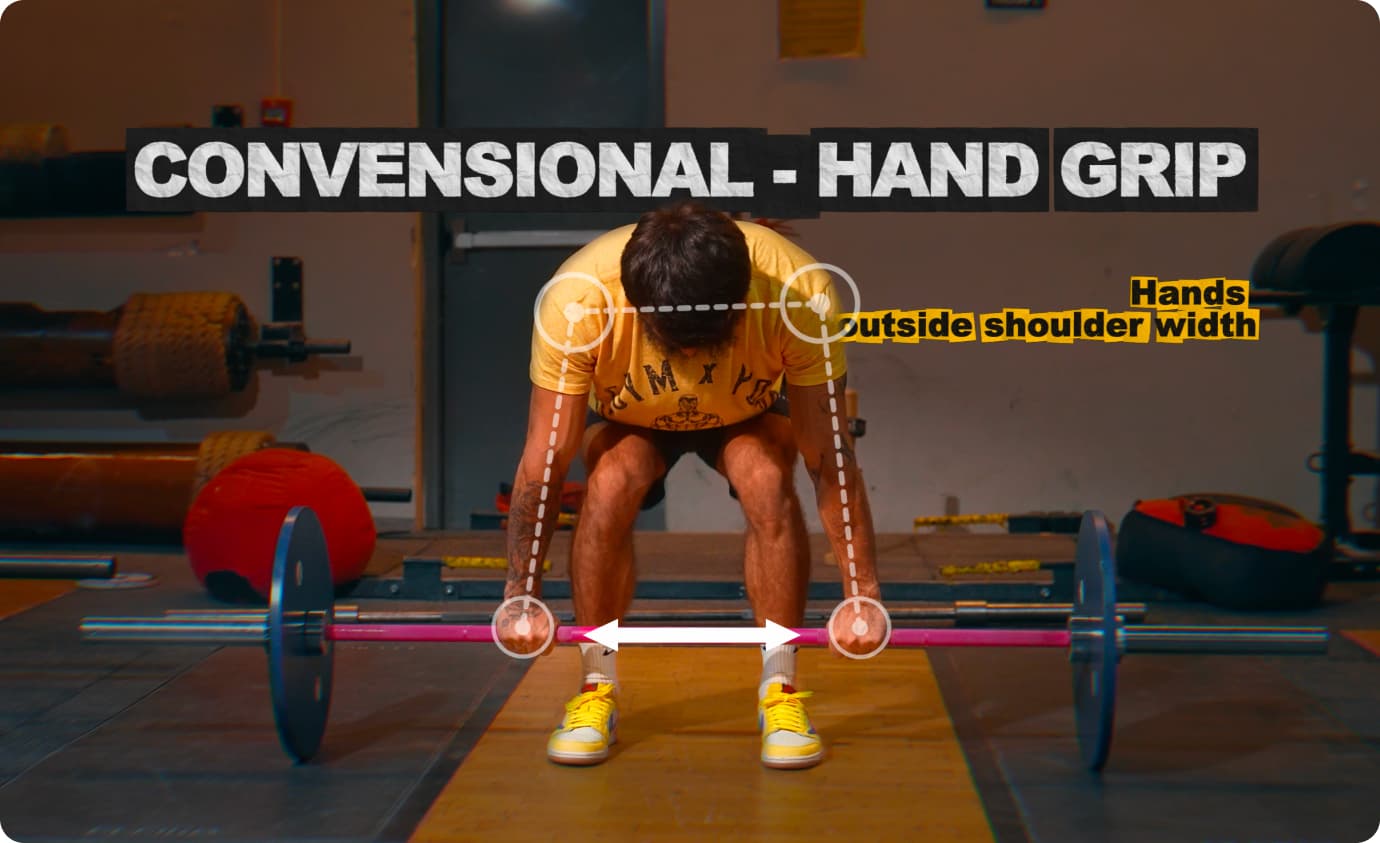
Ensure correct axial loading by keeping the bar close to the body;
Perform exercises at a measured pace, rather than with quick jerks;
Increase the weight gradually, without sudden jumps;
Maintain tension for better control and core stability.
These fundamentals are key to effective injury prevention. They are also a good way of ensuring predictability of movement under load.
Why the “Perfect Form” Isn’t the Whole Picture
Strict technique is useful, but it should not be viewed as something fragile. The body doesn’t sustain injury from minor deviations, particularly from controlled spinal flexion. The tissues adapt over time, especially if the load is introduced gradually.
This concept is widely used in back rehabilitation. In other words, the aim isn't to avoid movement, but to rebuild tolerance to it. The key criteria are: control, consistency and context. These are more important than striving to achieve a single “perfect” position in every repetition.
How to Build a Safer Deadlift
Performing a deadlift safely depends on preparation; that is the foundation. The aim is to ensure that every phase of the lift is controlled and repeatable. Minor adjustments to form and execution often yield the greatest results.
A few practical steps can help:
Start with lighter weights and focus on maintaining correct body posture;
Learn to engage your muscles correctly to improve core stability;
Include simple exercises in the program, such as the McGill Big 3;
Keep the barbell close to your legs to reduce unnecessary strain;
Stop the set when you start to lose control.
These steps help you maintain balance while moving and reduce unnecessary strain on your lower back.
McGill Big 3: What It Is and Why It Matters
This is a set of basic exercises designed to strengthen the spine without placing excessive strain on it. They are often applied in early stages of back rehabilitation and as a foundation for safer strength training.
This trio consists of:
Modified curl-up;
Side plank;
Bird-dog.
These exercises help strengthen core stability. As a result, the deadlift ceases to be “dangerous” and becomes a confident part of your workout routine.
Rethinking “Dangerous” Exercises
The execution of the deadlift is often judged by its appearance. This leads to fear, misunderstanding, and concerns about danger. If approached sensibly, the exercise becomes a means of building strength rather than a source of risk. The same applies to most other complex exercises, which are often avoided for no clear reason — simply due to a lack of understanding of the principles or technique.
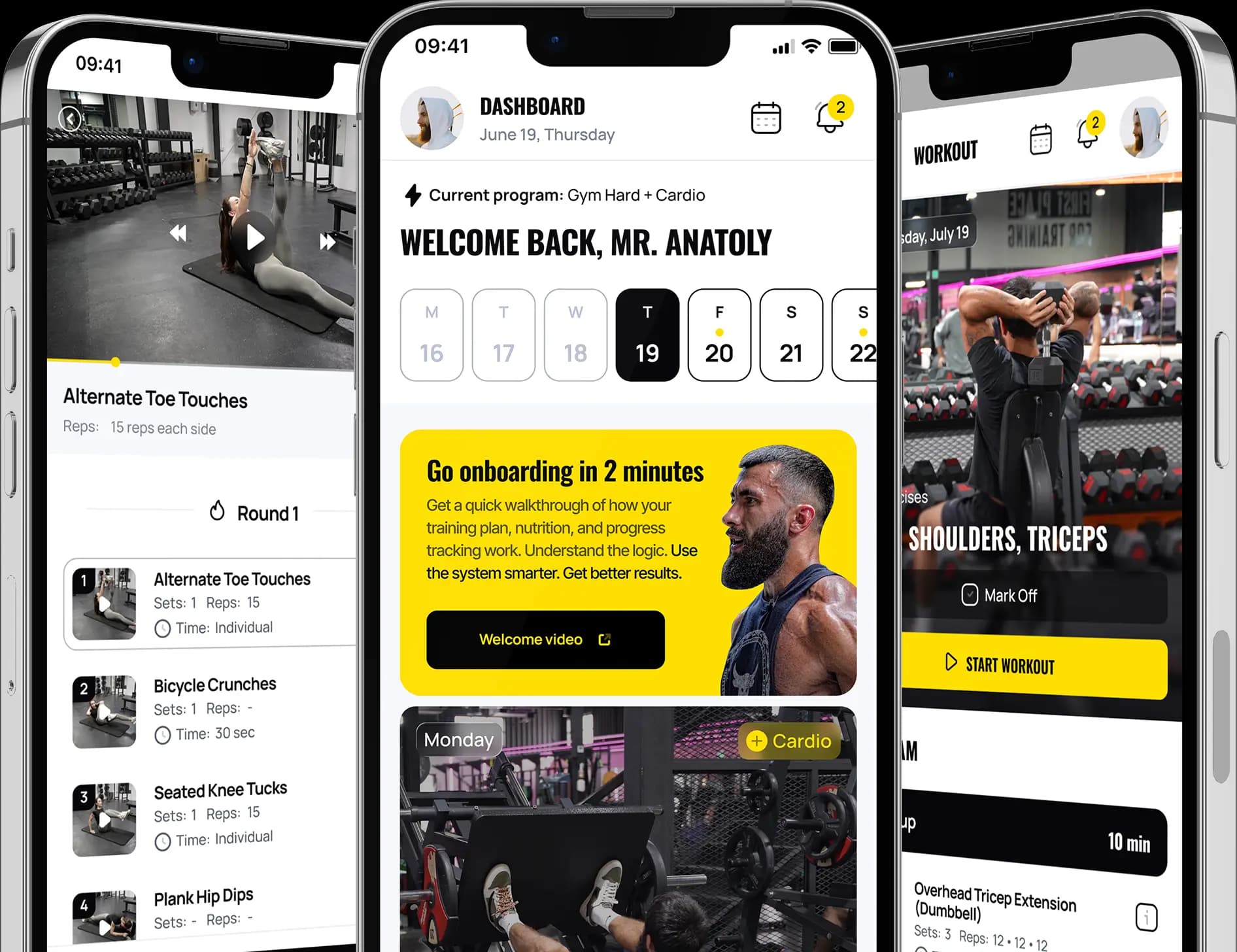
Conclusively, the structured nature of coaching is of such great importance. On the Anatoly Fit platform, workouts are built around clear sequences, practical technical guidance, and proven principles of strength training. Each movement is demonstrated in an easy-to-understand way by a professional athlete. This helps you confidently master complex techniques and apply them to achieve long-term results.
Subscribe for Updates
By signing up for our newsletter, you agree to the terms outlined in our privacy policy. You can unsubscribe at any time.