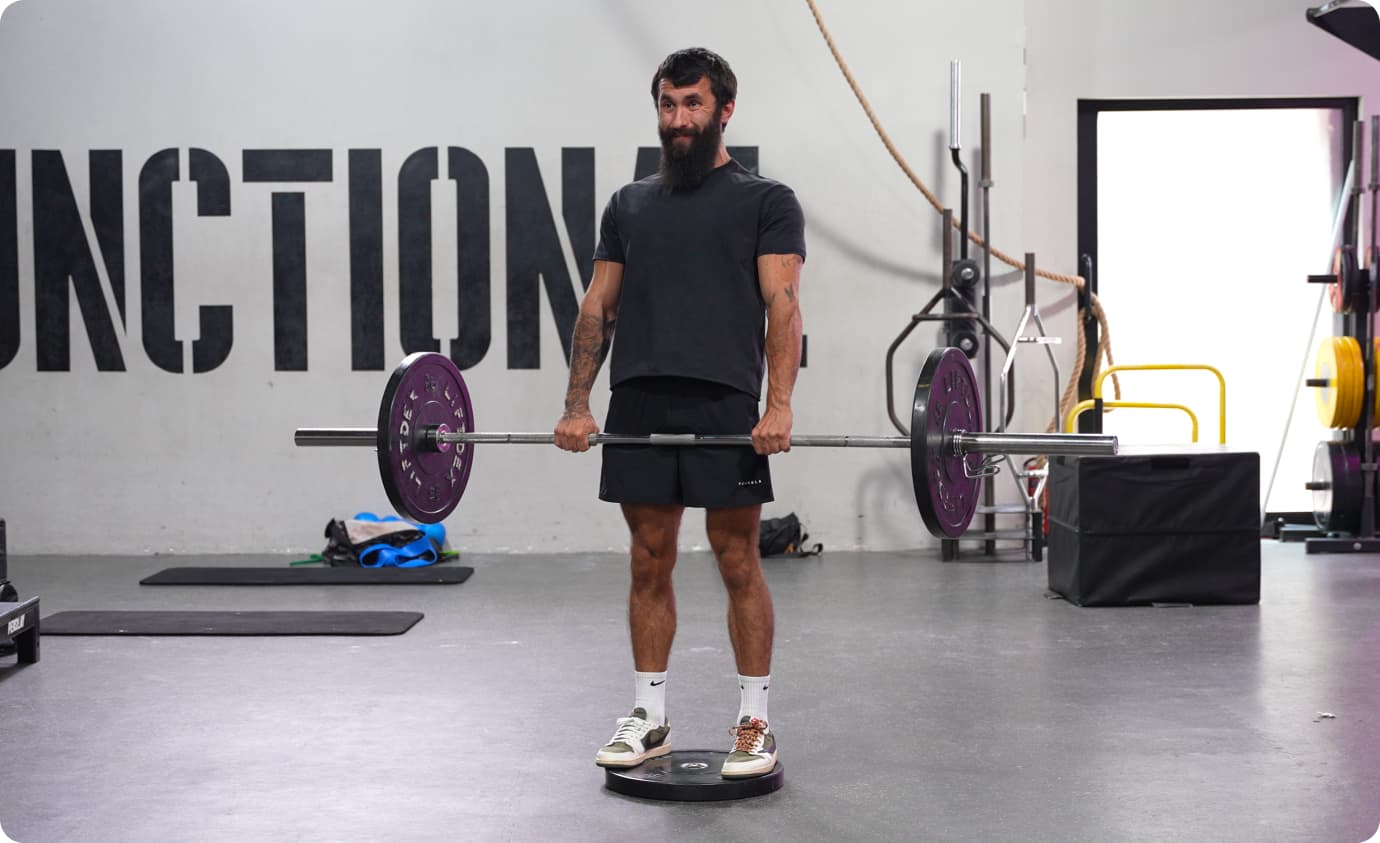
Two people can lift the same weight but use completely different deadlift styles. For one lifter, the bar moves straight and controlled. For another, it shifts forward and places more stress on the lower back. The difference isn’t only strength. It’s structure. That is why the APS app doesn’t rely on a fixed template. It provides technique variations based on how your body produces force and where the bar path becomes less efficient.
Why Biomechanics Determines Your Deadlift Style
The technique of the deadlift starts with the use of leverage. Simply put, your structure changes how far the bar travels from the body. The larger the horizontal distance between the bar and your center of mass, the more load shifts to the lower back. This is where deadlift biomechanics and hip hinge mechanics are most critical. EliteFTS often provides examples that illustrate this concept in practice:
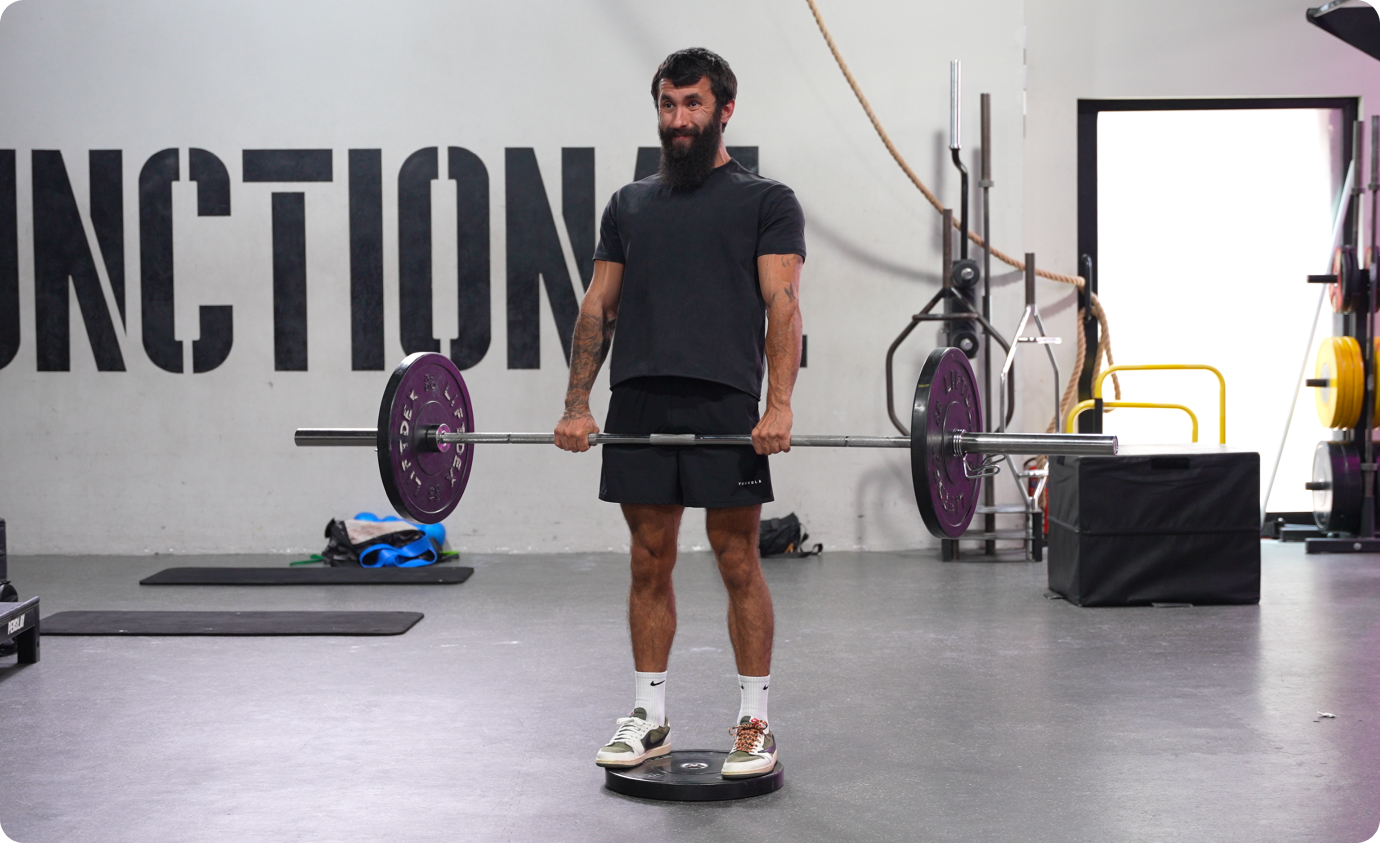
Longer arms make a conventional pull simpler.
Longer femurs make sumo more efficient.
A shorter torso can change the start position a lot.
Neither style is better on its own. It depends on how your body creates force.
Anthropometry Checklist
Body proportions change joint angles before the bar even leaves the floor. Arm length affects range of motion, while femur length shifts hip position and balance. These small differences influence sumo deadlift leverage and the efficiency of a conventional pull.
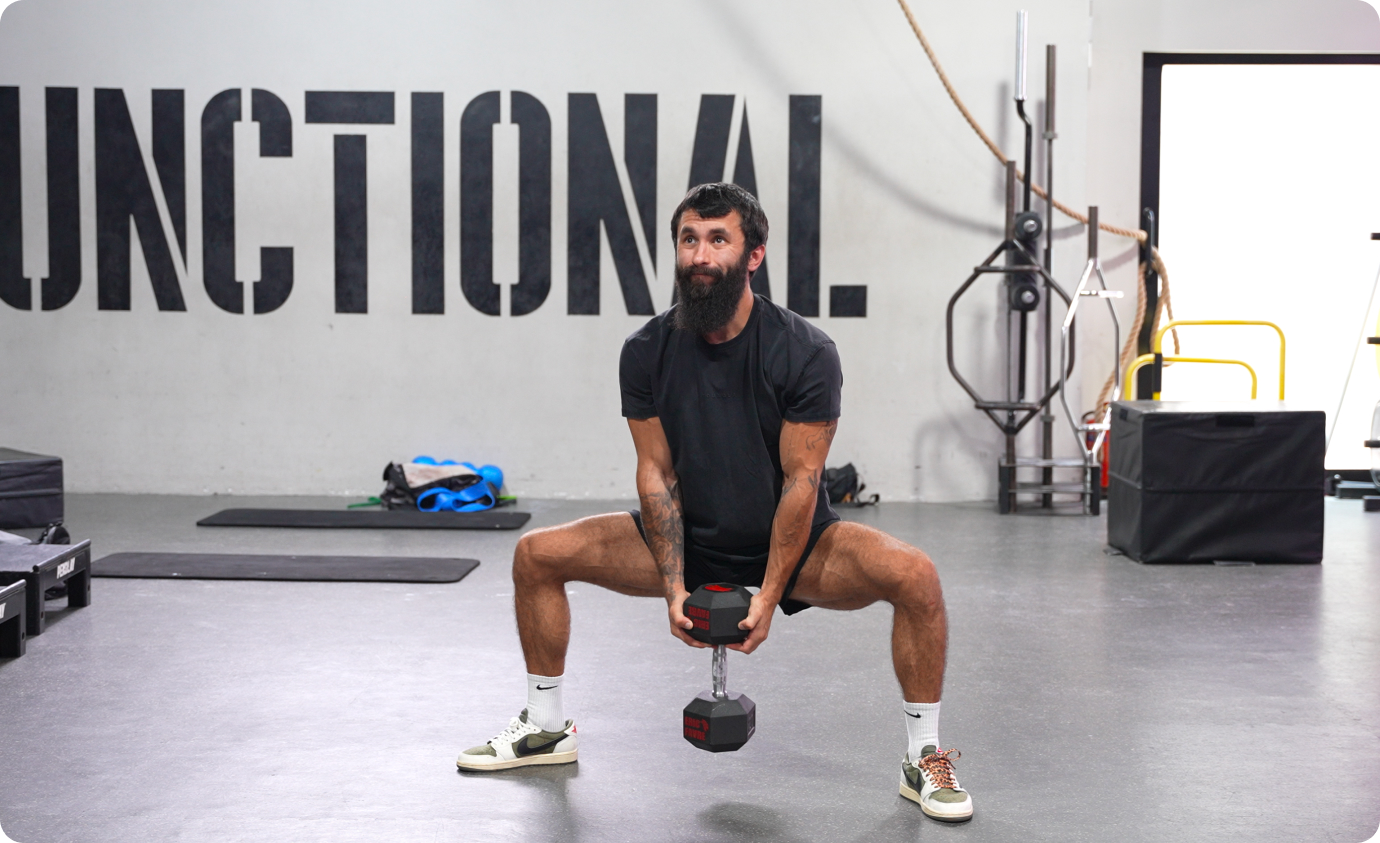
Sumo deadlift fits better if:
Legs are longer.
Arms are shorter relative to the torso.
A wide stance feels comfortable.
It is easier to keep the back neutral this way.
These are merely guidelines, not strict rules. Even minor differences in hip structure can affect what appears to be stable.
Quick Self-Check: Which Pull Feels More Natural
You can test this without calculations. Record one set from the side or stand in front of a mirror and look at the start position.
Arms hang noticeably below mid-thigh — conventional often feels simpler.
Hips rise very quickly when the pull starts — sumo may feel more stable.
The bar drifts forward during the lift — the setup may not match your leverages.
A wider stance already feels more balanced — sumo can reduce forward shift.
This quick check doesn’t replace full analysis, but it helps notice obvious mismatches early.
Sticking Point Analysis and Safety
For some people, the same part of the movement always feels the hardest. The barbell seems to slow down, even though the weight remains the same. Often, this isn’t due to weakness, but rather because the stance at that moment isn’t quite suited to the body’s proportions. As a result, the load shifts forward, which compromises lower back safety.
Typical sticking points:
The barbell feels heavy right away, even before it reaches your knees.
The movement slows down, and it becomes harder to maintain the same rhythm.
The final part of the lift, with full extension, feels longer than expected.
If the setup feels comfortable, the movement doesn’t change much from start to finish.
Common Mistake
Trying to copy a popular technique instead of matching the mechanics of your own body often leads to:
An inconsistent bar path;
Earlier fatigue than expected;
More stress in the lower back.
A style that fits your proportions usually feels more predictable from the first repetition.
Hip Structure and Movement Efficiency
Hip structure matters here too. A wide stance feels easy for one person and awkward for another. Some lifters can open their hips without any problem. Others feel restriction almost at once. Because of that, a very wide sumo position doesn’t suit everyone.
Signs the stance feels natural:
Knees move outward without effort.
No sharp tension in the hips.
Balance stays stable through the middle of the foot.
A stance that feels free allows the movement to stay controlled from start to finish.
Find the Deadlift Style for You
The difference between sumo and conventional is often noticeable from the first reps. For one lifter the bar moves smoothly, for another the same setup feels uncomfortable. This is why anthropometry in lifting matters when choosing how to pull.
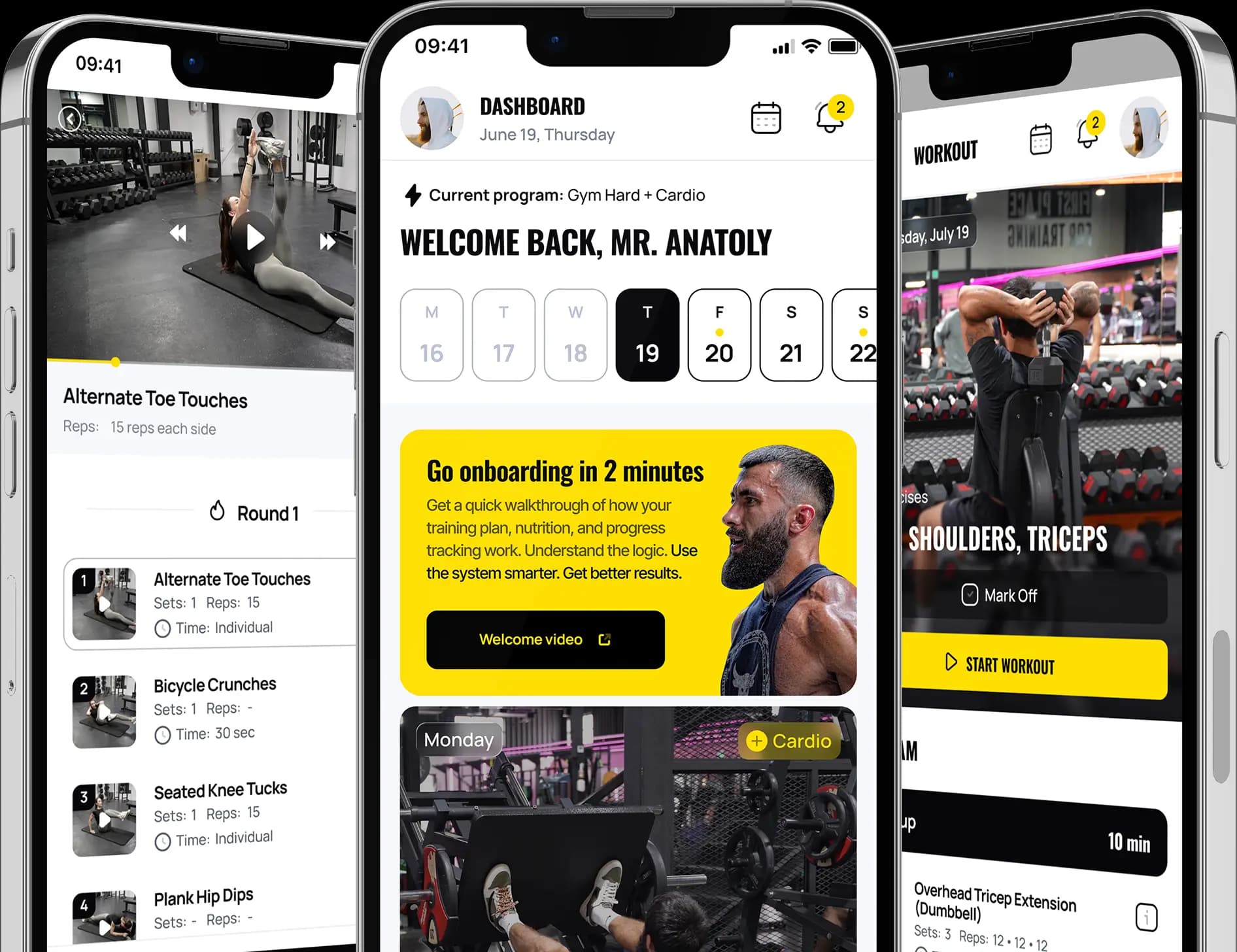
In the APS app, the pull style isn’t chosen randomly. The setup is adjusted according to how your leverages affect bar path, stability, and initial force. Without this step, many lifters repeat a style that simply doesn’t match their structure.
Subscribe for Updates
By signing up for our newsletter, you agree to the terms outlined in our privacy policy. You can unsubscribe at any time.