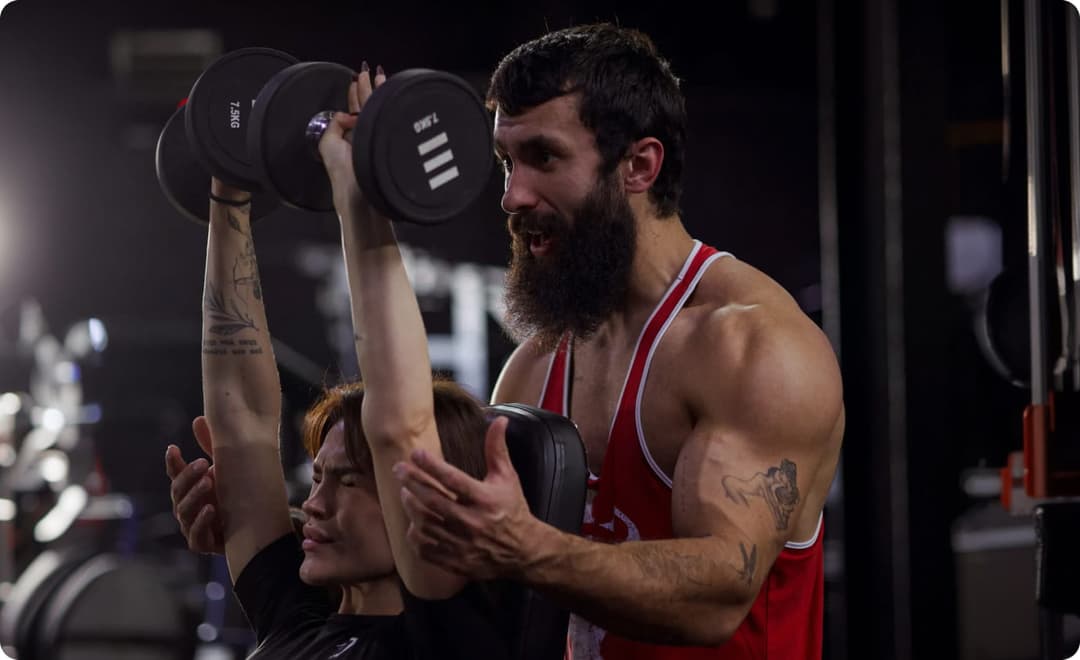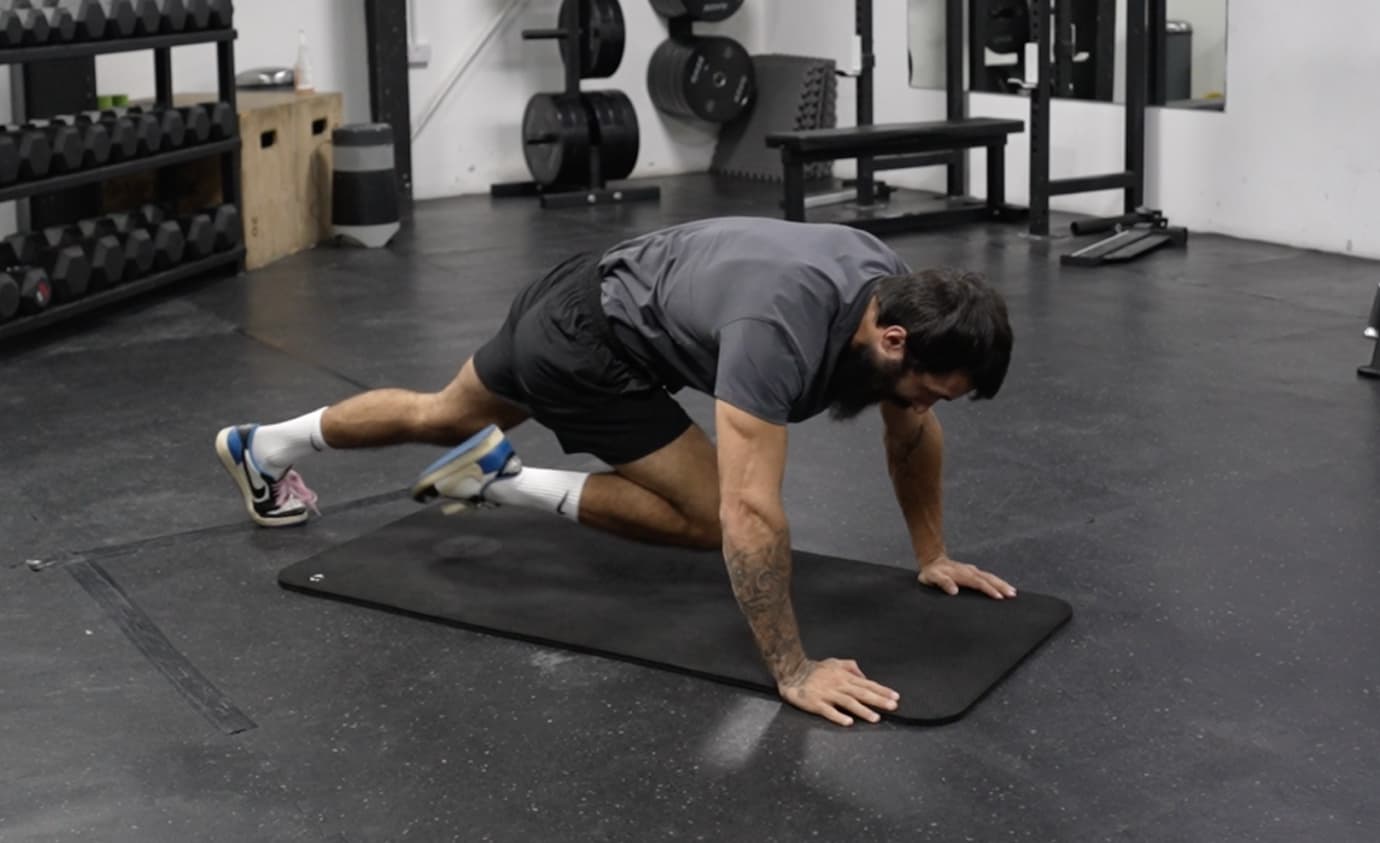
Many lifters would rather add another weight plate to the barbell than spend twenty minutes on cardio. Somewhere along the way, a myth emerged that every minute of cardio is a direct blow to strength and muscle. As a result, cardio is often the first thing people cut from their workout routine.
The reality is usually less dramatic. Most problems arise not because cardio exists, but because it’s used without a clear goal. Running long distances, adding endless sessions after heavy squats, and trying to burn as many calories as possible. This isn’t the same as using cardio to support results.
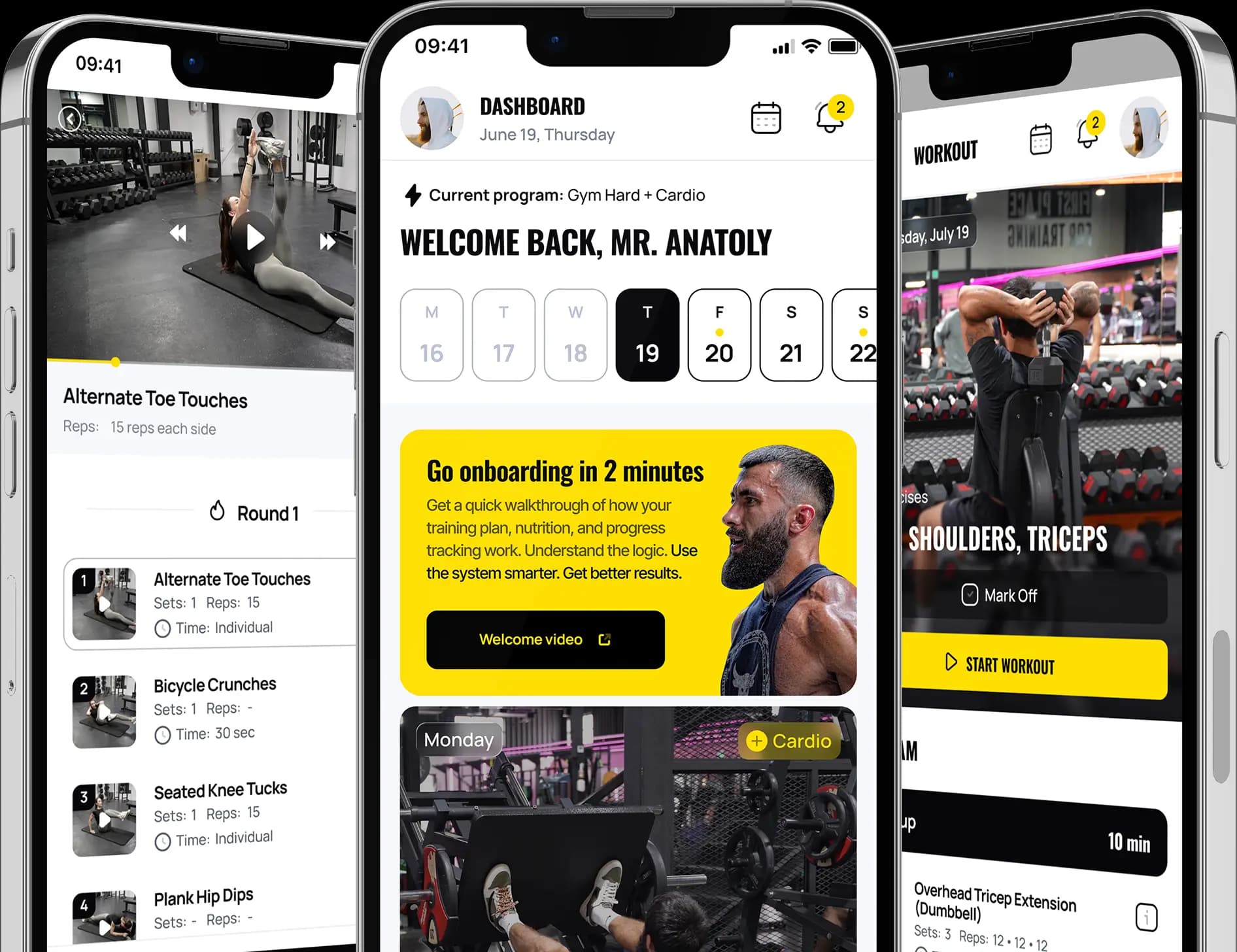
This distinction is crucial in the Anatoly Fit program, where cardio is viewed as a tool to improve the quality of workouts, not as a substitute for strength exercises.
Why Lifters Need Cardio Too
For athletes who engage in strength training, the effectiveness of cardio workouts should not be judged solely by the number of calories burned. Its true value lies in how it helps the body cope with stress during workouts. Improved cardiovascular endurance reduces the feeling of exhaustion during intense workouts, especially when rest periods are short or the training load increases.
It also improves work capacity in practical ways:
Breathing returns to normal more quickly between sets;
Warming up seems less exhausting;
Additional exercises don't take up the entire workout;
Recovery between sessions is easier.
This means that cardio training can contribute to strength building rather than detract from it, as long as the intensity is kept under control.
Does Cardio Really Burn Muscle?
Cardio workouts alone don’t “eat away” at your muscles. The loss of mass usually begins when your overall training regimen is structured incorrectly: too little food, insufficient protein, poor recovery, and excessive load in addition to strength training.
Here are a few signs that your exercise routine is structured incorrectly:
Over the course of several workouts, you notice a decline in strength;
Muscle soreness lasts longer than usual;
Appetite seems uncontrollable;
Sleep quality deteriorates after intense workouts.
Used properly, cardio can support fat oxidation without damaging progress. The problem is not cardio. The problem is treating it like punishment after every heavy session.
LISS vs HIIT for Strength Athletes
Not all types of cardio exercises cause the same level of fatigue. That’s why you should choose a format for your session based on what your weekly workout schedule already looks like.
LISS cardio sessions usually include:
Walking,
Cycling at a leisurely pace,
Treadmill training with a constant incline.
This option helps you recover faster and is ideal for the days between heavy weight training sessions.
HIIT workouts work differently:
Short bursts of effort,
Higher intensity,
Longer recovery periods between intervals.
HIIT can improve your physical fitness in less time, but it also requires more effort to recover from. For many athletes, the choice isn’t about which method is “better,” but which one interferes less with their next strength training session.
Better Conditioning Without Running Marathons
Physical training for strength athletes doesn't necessarily have to mean long-distance running. In many cases, activities that are more akin to strength exercises are easier to recover from and prove to be more beneficial in practice.
Some good examples include:
Sled push work,
Carrying loads,
Interval training with a jump rope,
Short exercise routines performed at a controlled pace.
This approach to physical conditioning for powerlifters allows athletes to train for strength without turning every session into an endurance test. It also teaches the body to keep moving even when fatigued, while maintaining coordination and control.
The aim is simple: to improve physical fitness without diverting resources from strength training. It's this balance that makes general physical conditioning (GPP) so effective for weightlifters.
Where Cardio Fits in the Week
Heart training yields the best results when it has a clearly defined place in your workout plan. If you do high-intensity intervals before heavy squats or deadlifts, this usually undermines the results of the main part of your workout rather than improving them.
For most athletes, a safer approach is quite simple:
Light cardio sessions after strength training;
More intense endurance workouts on another day;
Short exercises 2–3 times a week;
Avoid high-intensity training if you feel you haven’t recovered sufficiently.
Start with the smallest dose that improves breathing and recovery. Add more only when strength sessions still feel solid.
Use Cardio Like a Tool
Cardio shouldn’t turn into a second sport hidden within your strength training routine. If they start to distract you, interfere with sleep, or slow down barbell work, their intensity is likely too high.
The best approach is boring but effective: choose a set of exercises, carefully plan how to perform them, and see how you feel during the next workout. This is the foundation of the Anatoly Fit philosophy: training serves as a supplement to your main routine, not a replacement for the entire program.
Subscribe for Updates
By signing up for our newsletter, you agree to the terms outlined in our privacy policy. You can unsubscribe at any time.