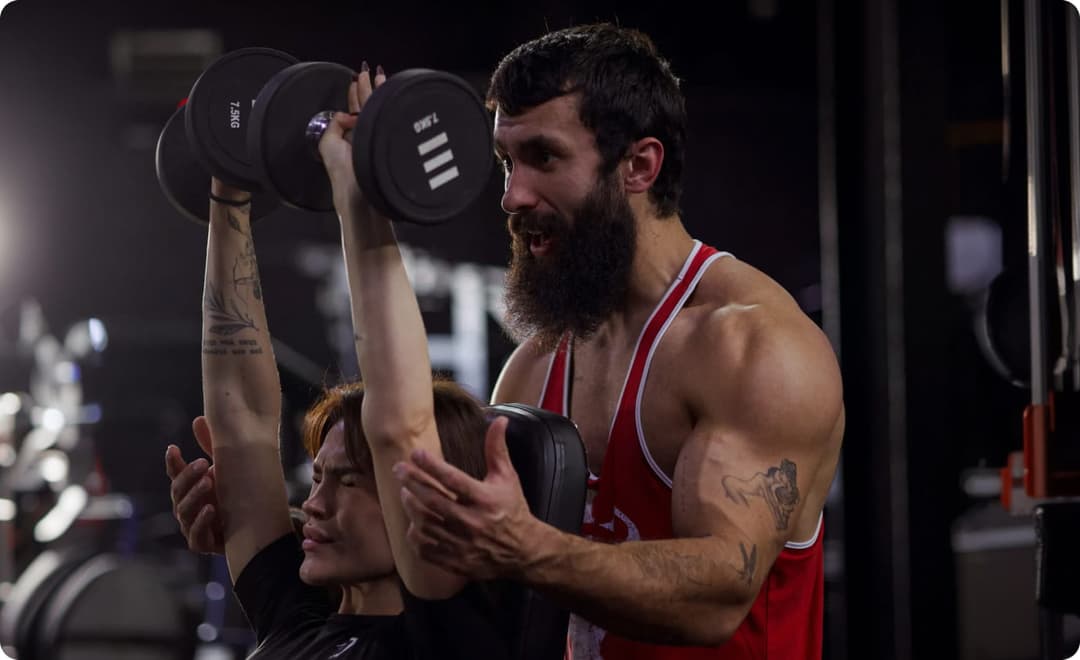
The best workout online shouldn't feel like a collection of random videos. People open the app because they need guidance: what to work on today, at what intensity, when to rest, and how to keep going without having to completely overhaul their plan every week.
This is precisely what sets Anatoly Fit apart from ordinary online fitness workout libraries. The main goal isn’t to offer users hundreds of options and leave them to figure it out on their own. It’s all about a clear system: structured workouts, video instructions, strength exercises, flexibility training, and general physical conditioning. Plus, progress you can achieve during a typical week, not just when your life is perfectly organized.
Why Online Training Needs Structure, Not Just Videos
A solid training plan will save you from having to plan every step on your own. A single training session may seem effective, but it still leaves many questions unanswered:
How often to repeat the exercises?
When to increase the intensity?
What to do on days when you’re feeling low on energy?
And how to avoid overloading the same muscles during several sessions in a row?
This is where many fitness websites fall short. They offer a ton of videos, but users still have to piece everything together on their own. This could be a high-intensity cardio workout one day and an intense strength training session the next. And recovery usually gets lost somewhere in between.
A proper workout builder online should work differently. It should distribute the training load over time, rather than simply grouping exercises together in one place. Otherwise, a person might train intensely on Monday, strain the same muscles again on Tuesday, skip a recovery day, and wonder why their body feels exhausted by Friday.
A real personal training plan usually involves answering a few simple questions before starting exercising:
What is the main goal of this session?
Which exercise should be done first?
How much effort is enough for today?
What should be changed next time?
These minor details may seem insignificant, but they help conserve energy. A skilled coach doesn't stop at just saying, “Do this drill". He or she designs a sequence that protects your progress from chaos.
That’s why useful training guides shouldn’t be isolated tips scattered across random pages. They should be part of a plan where every session has a goal and the next step is already clearly defined.
What a Complete Workout Plan Should Include
A complete training plan shouldn’t consist solely of high-intensity workouts. A week filled exclusively with maximum-effort sessions yields results only for a short time, after which the recovery process begins to hinder progress. It's much easier to stick to a workout routine when the intensity of your workouts varies overall throughout the week, rather than remaining equally strenuous every day.
That is why structured strength training generally leads to more consistent progress than chaotic, high-intensity workouts. Hard work promotes adaptation, but the body still needs sufficient recovery to repeat these efforts later. If fatigue constantly builds up faster than recovery occurs, performance drops even before visible results appear.
The same applies to conditioning. Short circuit training, interval exercises, or controlled cardio workouts can improve endurance and recovery capacity, but they should support the main goal of your training, not compete with it.
Special attention should also be paid to stretching and mobility work. Tight hips, poor shoulder mobility, or limited chest rotation become much more noticeable as the workload increases. Short mobility exercises between sets or after a workout usually yield good results.
An effective weekly workout typically consists of several different phases:
Compound exercises for the main part of the workout;
Functional movements that develop control, not just muscle strength;
Lighter workouts for active recovery;
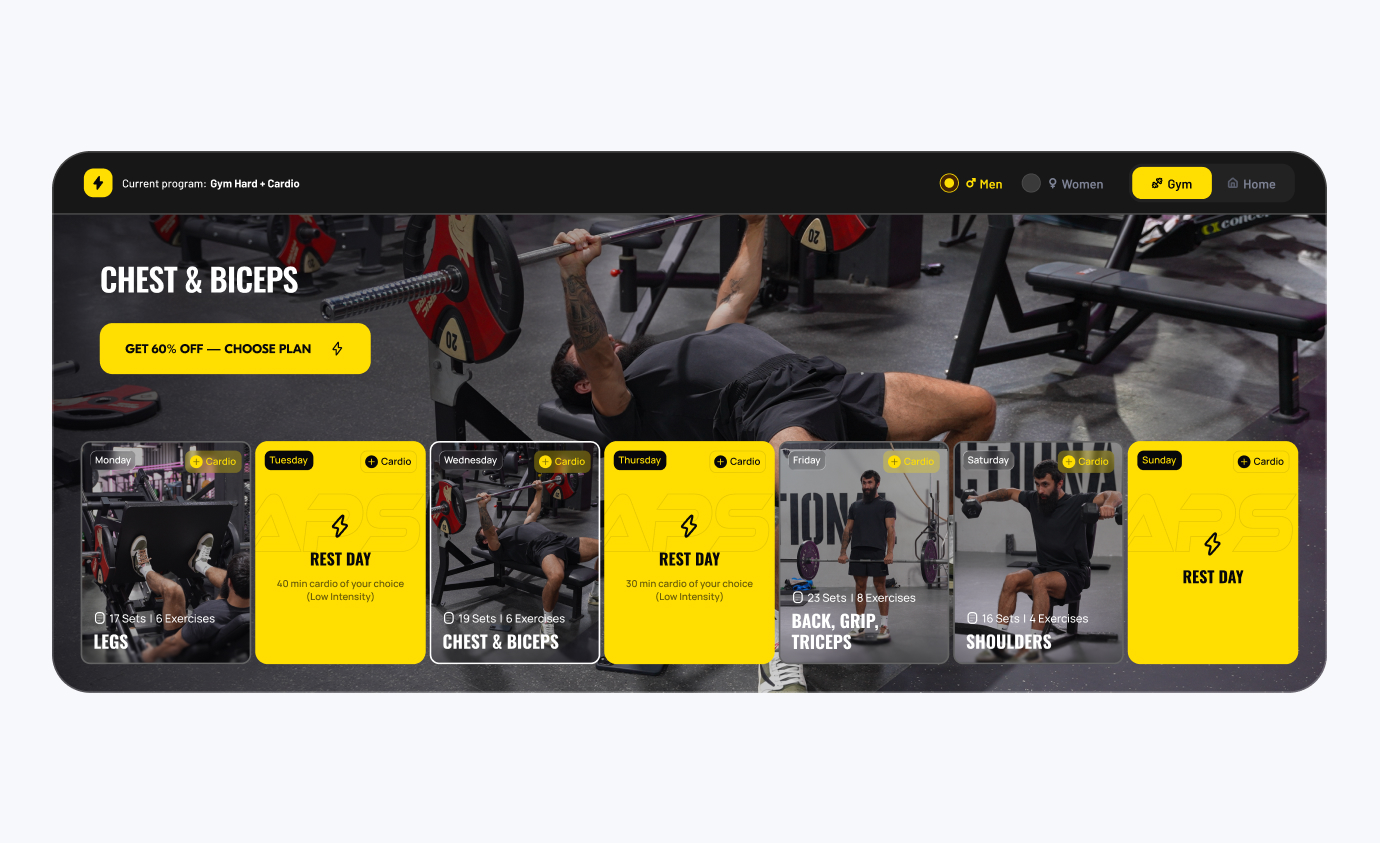
Adequate rest between intense training days;
A clear split so as not to overload the same muscle groups.
This is where periodization comes in handy. It doesn’t have to seem complicated. It simply means that your workouts change in planned cycles rather than staying the same forever. Some types of periodisation involve a gradual increase in workload. Others involve more frequent changes in intensity throughout the week.
The goal is to achieve the optimal volume: enough intensity to make progress, but not so much that effectiveness is compromised. That’s why multifrequency training can be helpful. Individual muscles or movement patterns can be worked more than once a week, but the intensity shouldn’t be the same every time. The best routines ensure balanced results throughout the week, rather than just delivering impressive results in a single day.
Training at Home, in the Gym, or Outside
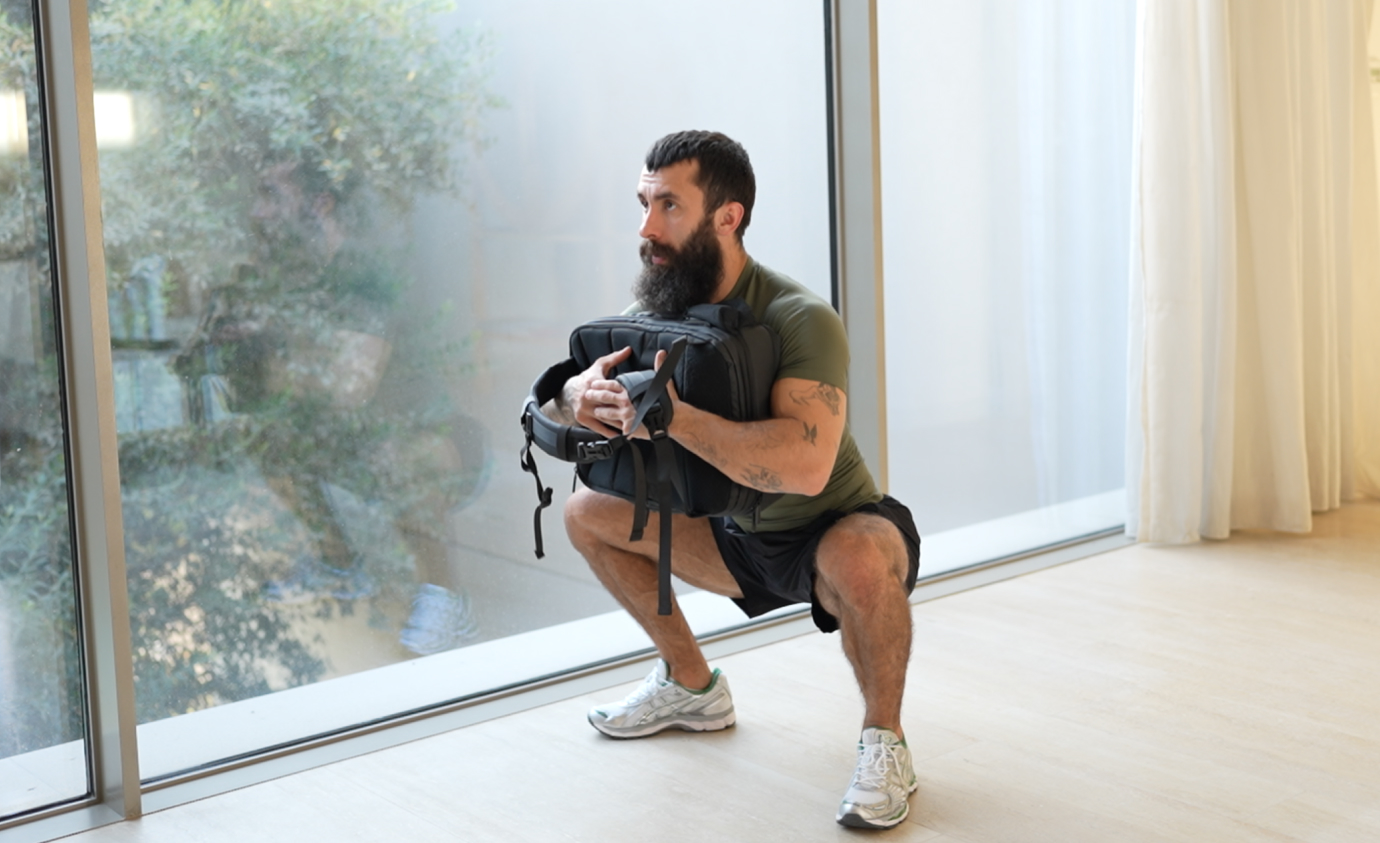
A well-structured program shouldn’t fall apart just because the training location changes. Some weeks involve full-fledged gym workouts using machines, barbells, and heavier weights. Other weeks are less predictable: shorter sessions at home, training outside, or quick sessions that have to be squeezed into a busy schedule.
Such a program must be effective under any circumstances. That is why an effective home workout routine generally focuses on proper form, exercises that can be repeated, and a gradual increase in intensity, rather than on trying to replicate every piece of gym equipment.
Training that can be done at home doesn’t necessarily mean it will be “easy”. Even with simpler equipment, a well-planned workout can provide a sufficient challenge:
An adjustable dumbbell;
Resistance bands;
Exercising at a controlled pace;
Unilateral exercises;
A higher number of repetitions while maintaining proper form.
This is about working out without gym access. Because some people lose their consistency, believing that a full set of exercise machines is necessary for an effective workout. In reality, significant progress can be made even without professional gym equipment — just by intelligently distributing the workload and performing the exercises correctly.
There are also situations where it makes more sense to use shorter workout routines. For example, while on vacation, workouts may focus more on maintaining fitness rather than intensively increasing the workload. This is where bodyweight exercises come in handy:
Push-ups,
Single-leg squats,
Plank,
Carrying weights,
Controlled jumps.
When organized correctly, sessions using body weight can still develop coordination and muscular endurance.
Short workouts can also be effective for building endurance. A regimen based on at-home high-intensity exercises can improve performance without taking up a full hour. However, you should still keep the intensity under control. Constant exhaustion isn’t the same as progress.
Even a workout without leaving home should follow the same basic logic as a gym session:
Warm-up,
Main set,
Controlled cool-down,
Recovery.
The location changes. The structure doesn't.
Programs for Different Goals and Levels
Workouts should be tailored to the individual performing them. What works for beginners may seem too easy for experienced athletes. Similarly, an intense split-body routine may be too challenging for untrained adults who need a safer way to get back into training.
For Beginners and Returning Users
The basic rule is simple: don’t rush the start. If you need something to do after not being at the gym for a while, it’s best to start with:
Low-impact exercises,
Simple strength-building movements,
Adequate rest between sets.
The goal is to ease you back into shape, not to exhaust your body on the very first day. Even a light initial phase can be quite intense if your form is correct.
For Fat Loss and Shape
A plan for weight loss shouldn’t be based solely on the idea of a “fat burner”. Sweating more doesn’t always mean better results. If the goal is to burn the most calories a day, daily physical activity, strength training, and proper nutrition are all crucial when combined.
For most people, visible transformation takes longer than 1 month. You can notice the first changes in 60 days, and by 90 days, a clearer picture usually emerges regarding habits, strength, and progress in building a lean body. If your priority is to train for body shape, focus on consistent effort rather than panic-driven workouts.
For Strength, Muscle, and Bulking
To build muscle while bulking up, it’s not enough to simply eat more. Your plan should include exercises for the upper body, separate workouts for the low body, and abs, with sufficient rest to maintain consistent physical fitness.
Workouts for men and for women may differ in their goals, but the rule remains the same:
Build strength first,
Then add the details.
If the goal is to get ripped, the program still needs to be structured, not haphazard.
How Long Should a Program Last?
The duration of the program should be tailored to your goals. A 7-minute session can be helpful on days when you’re short on time or energy, especially for flexibility exercises, warm-ups, or light endurance training. However, shorter sessions work best as a supplement rather than as a primary strategy.
A quick workout is usually more effective when it has a single, clear goal. Trying to cram heavy strength training, cardio, recovery, and muscle building into a few rushed minutes often turns the session into a chaotic, exhausting ordeal rather than a productive workout.
For real progress, timing is everything:
The full-week plan shows how to incorporate recovery days between workouts.
A 6-week cycle is enough to test your consistency.
12 weeks give you more time to see noticeable changes.
A week-long break can be helpful after intense periods of training.
Working out for a full hour isn’t always better either. Shorter sessions with clearly defined exercises often prove to be more effective than long ones filled with random ones.
The same logic applies to daily physical activity. Walks, flexibility exercises, or light loads can be a useful addition to your everyday routine, although you should still take breaks between intense sessions.
High Intensity, Circuits, and Conditioning
High-intensity workouts have their place, but each session should have a specific goal. An intense training block can help improve physical fitness, work endurance, and concentration. This is especially true when it’s based on precise moves rather than random exhaustion.
This is where circuits training comes in. They maintain a high pace while allowing you to follow a specific structure:
Choose 3–5 exercises;
Use proper form on every set;
Take a break before your form starts to deteriorate;
Don’t turn every set into a competition.
The interval format is better suited for endurance training, where the aim is to repeat the workout rather than simply get through a single grueling round. That’s why online classes should clearly explain the pace, rest periods, and sequence of exercises.
The benefits go beyond just burning calories. Better physical conditioning promotes improved health, faster recovery between sets, and increased effectiveness of your weekly workouts. Just avoid intense workouts right before sleep if it overstimulates your nervous system.
How Anatoly Fit Helps Keep Training Practical
Many fitness apps become difficult to use once that initial burst of motivation wears off. Workouts feel disjointed, and it becomes hard to track progress. Users then start changing their routines too often, instead of refining the ones they’ve already established.
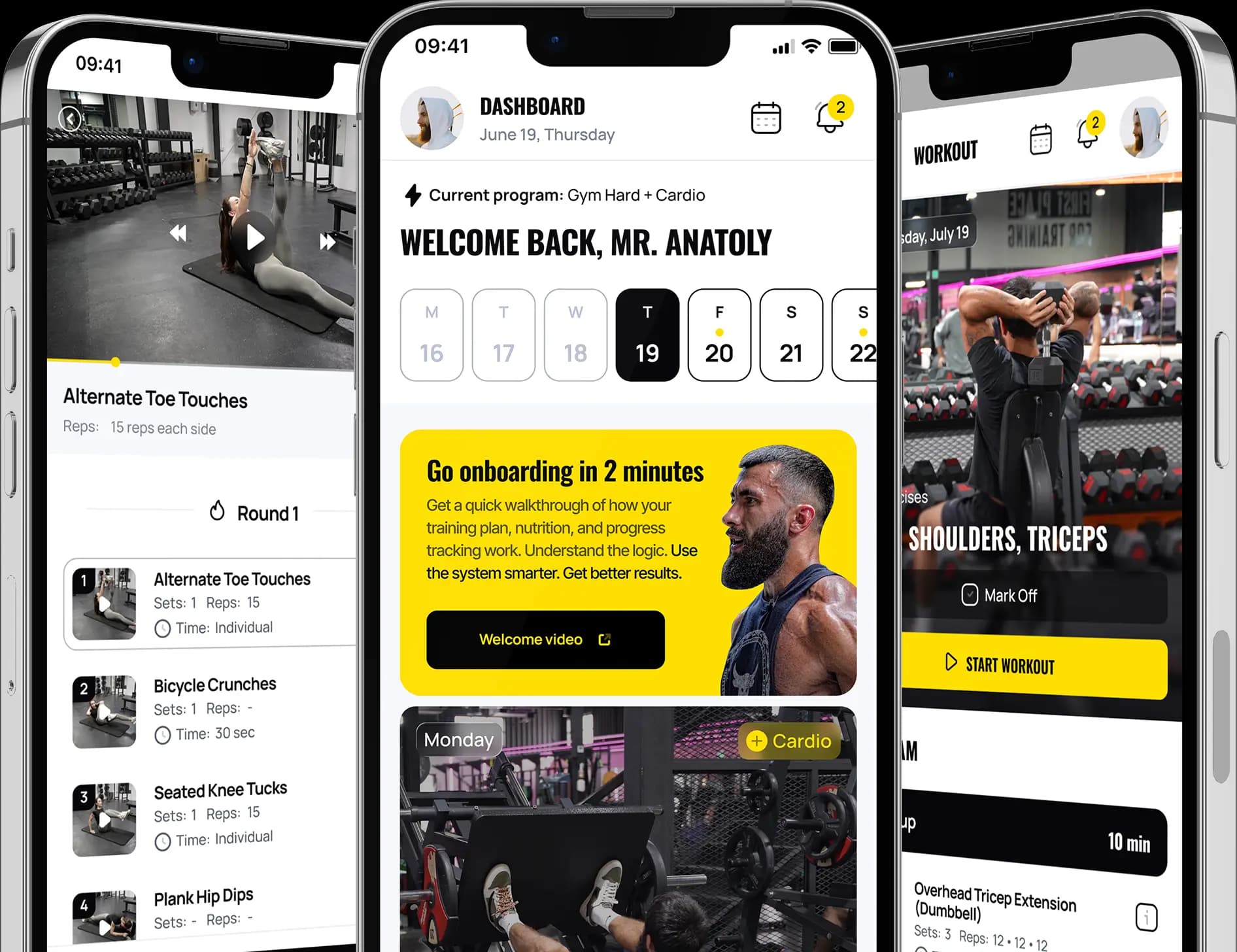
This is precisely what sets the APS approach to training apart. The programs are built around a clear sequence that remains consistent from week to week, rather than endless variations of exercises. The structure remains systematic, yet flexible enough to adapt to changes in recovery, schedule, or available equipment.
This platform also serves as an exercise builder, where workouts are already structured according to a predetermined sequence, so users don't have to create a programme manually.
Good fitness plans should be practical for everyday life, not just for ideal conditions. That is why the system remains needs-based rather than relying on a single rigid template. A beginner, a user returning to training, or an experienced athlete can perform different levels of intensity within the same training protocol.
The benefit is that, rather than replacing a real instructor, the platform helps organize the system so that the next step is always clear.
Simple Tips Before You Start
The best way to start is by building consistency, and only then should you aim for intensity. A program that looks perfect on paper quickly stops producing results if your recovery, schedule, or energy levels don’t allow you to stick with it for more than a few days. Before choosing between different workout categories, it’s important to understand how many workouts you can realistically fit into your week and how your body handles that kind of workload.
Here are a few practical tips that might come in handy:
Choose total-body workouts if you only train a few days a week.
Perform exercises with no weights if equipment is limited, but make sure to maintain proper form.
Avoid combining too many different ways of training at once.
All about gym workouts are best planned only after you’ve decided on your target and schedule.
Effective programs don't necessarily have to seem too radical from the start. They should be clear enough that you can come back to them next week.
When Training Fits Real Life
A truly functional program should take into account your current physical condition. This is crucial for obese persons, those returning to exercise, and anyone who needs a gradual start rather than yet another radical reboot. The goal isn’t only to sweat it out during a single intense training session, but to establish a routine that the body can sustain.
Over time, regular workouts can increase strength, help build more tone muscles, and make everyday movements easier. This is the core value of the Anatoly Fit program. It provides a clear structure that helps you move toward your goal and stay motivated along the way.
Subscribe for Updates
By signing up for our newsletter, you agree to the terms outlined in our privacy policy. You can unsubscribe at any time.