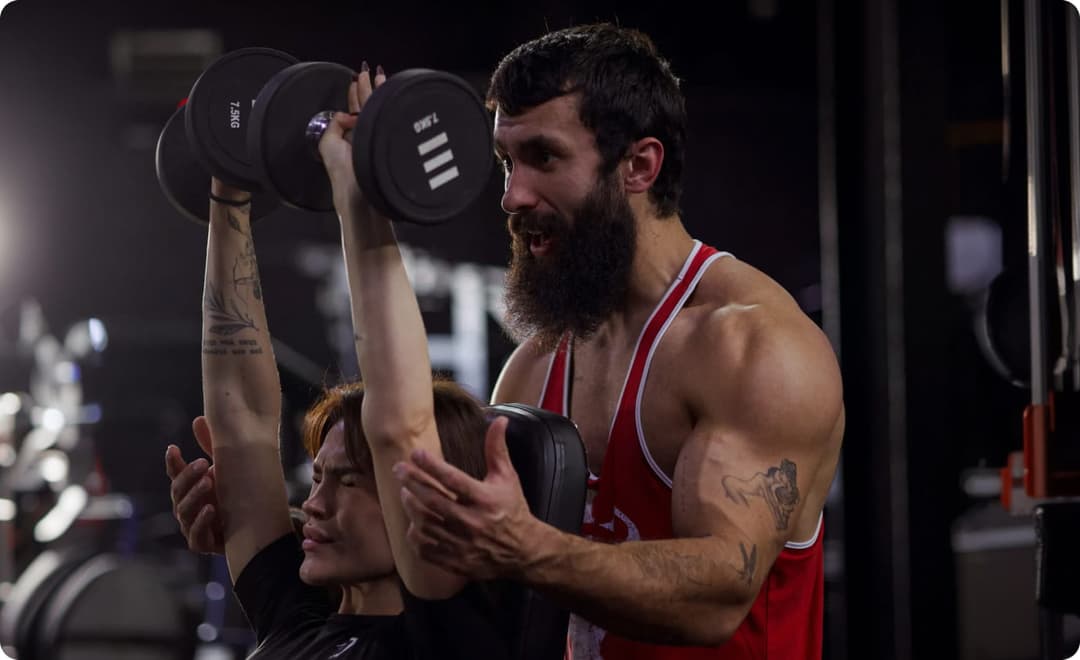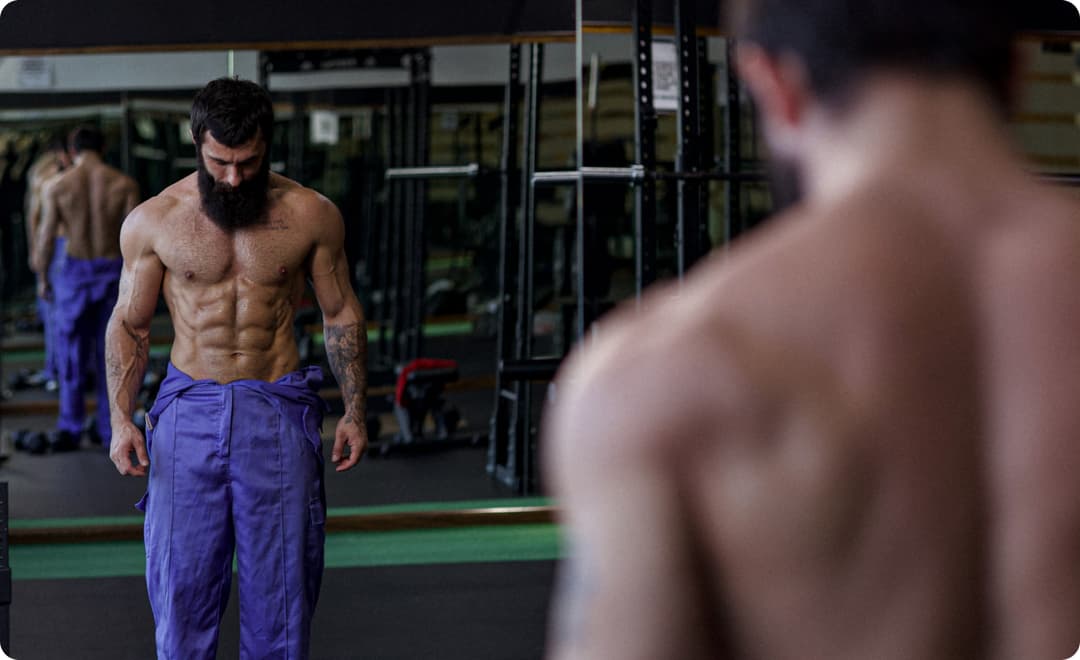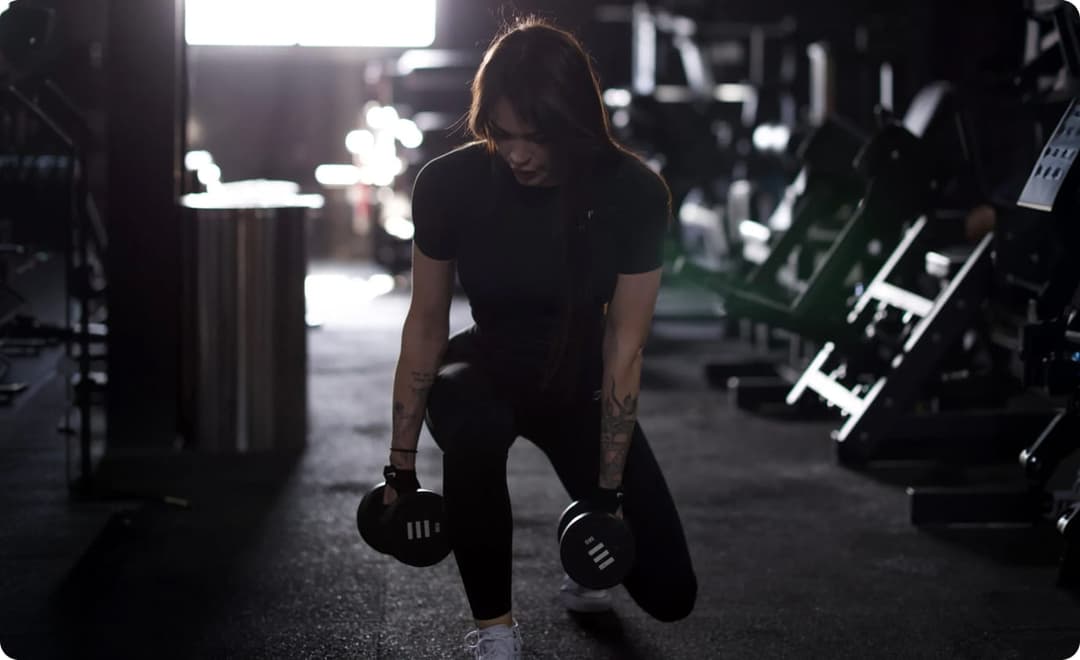
Many athletes still view arm training as one of two extremes: either pure bodybuilding for appearance, or heavy compound exercises that place almost no direct load on the arms. In practice, both approaches usually have their drawbacks. The role of the arms is much broader than just how they look in the mirror. Triceps help stabilize your position during a press, biceps support the mechanics of a pull, and poor elbow control often becomes noticeable long before a heavy lift actually stops.
That is precisely why the APS program includes direct arm exercises as part of general strength training, rather than treating them as additional “finishing” exercises after the main workout.
Why Arm Strength Matters in Heavy Lifts
During heavy presses, the triceps don’t just perform the final part of the repetition. Tricep long head helps keep the shoulder stable when the speed of movement at the top begins to slow down. If this part of the muscle is weak, maintaining that position often turns into an exhausting struggle.
In pulling exercises, this issue manifests itself in a different way. Exercises like chin-ups teach the biceps to work under the weight of your own body, while keeping the back engaged. This is very helpful for performing pulls, preparing for deadlifts, and controlling your grip.
Strong hands usually improve three things:
Stability during the press at the top of the lift;
Strength in maintaining the position as fatigue sets in;
Control over the pull without straining the elbows.
That is exactly why arm exercises should be an integral part of any serious strength training program. And it's definitely not just an “extra warm-up” at the end of a workout.
Why Big Arms Need Isolation Work
Heavy presses and pulls indirectly work the arms, but they don’t always target the areas where it’s most needed. Some areas simply stop developing without focused training. This is especially noticeable in the upper triceps and the outer biceps, where muscle definition improves more slowly than overall strength.
This is exactly where arm isolation comes in handy:
Curl exercises help build a more defined bicep peak through controlled elbow flexion.
Overhead extension provides a stronger stretch for the triceps.
Slower tempo keeps the tension in the muscle rather than relying on momentum.
Working directly on this also makes it easier to correct imbalances between the left and right sides before they start to affect your performance in exercises with heavier loads.
Exercises That Build More Than Just Size
Some arm exercises are better suited for intense workouts because they challenge the joints and muscles in more complex positions. The goal isn't simply to exhaust yourself, but to maintain tension in a position where the movement remains stable and repetitive.
Some examples that work particularly well are:
Hammer curls target the shoulder muscles and improve engagement of the hand muscles.
Close-grip bench presses teach the triceps to handle heavier weights.
Overhead tricep extensions target the long head of the triceps due to the deeper stretch.
Weighted chin-ups combine loaded pulling with direct bicep work.
These movements are usually performed better with proper form than when constantly jumping with weights. As soon as momentum takes over, your arms stop doing most of the job.
Why Tempo Changes Arm Growth
Arm exercises become less effective when the weight moves faster than your muscles can control it. It’s not just about flinging the dumbbell up and somehow managing to finish the rep. The key is to hold the load on your biceps or triceps long enough for the set to be effective.
This is where time under tension is really important:
Lower the weight more slowly than you lift it;
Pause briefly when the muscle is fully contracted;
Stop the set if you start to wobble.
The right pace allows you to feel the weight more intensely even with a light load, without turning the exercise into a strain on your joints.
More Volume, Same Precision
Supersets can be effective for arm training, but only if they don’t compromise your control over the movements. Combining bicep and tricep exercises is generally safer than performing two heavy exercises in a row for the same muscle group. For example, performing bicep curls followed by tricep extensions keeps the pace high without compromising form too early.
They work best when:
Weight remains under control;
Breaks are short, but they happen;
Reps are still performed with proper form.
When it comes to arm hypertrophy, the key is constant tension, not exhausting sets of sloppy reps.
Arms That Hold Up Under Load
The approach to arm training changes when the focus shifts from haphazard workouts to consistent technique. Better elbow control, a more even press, and clearer pulling mechanics are usually the result of consistent exercise performance, rather than striving to achieve muscle soreness after every workout.
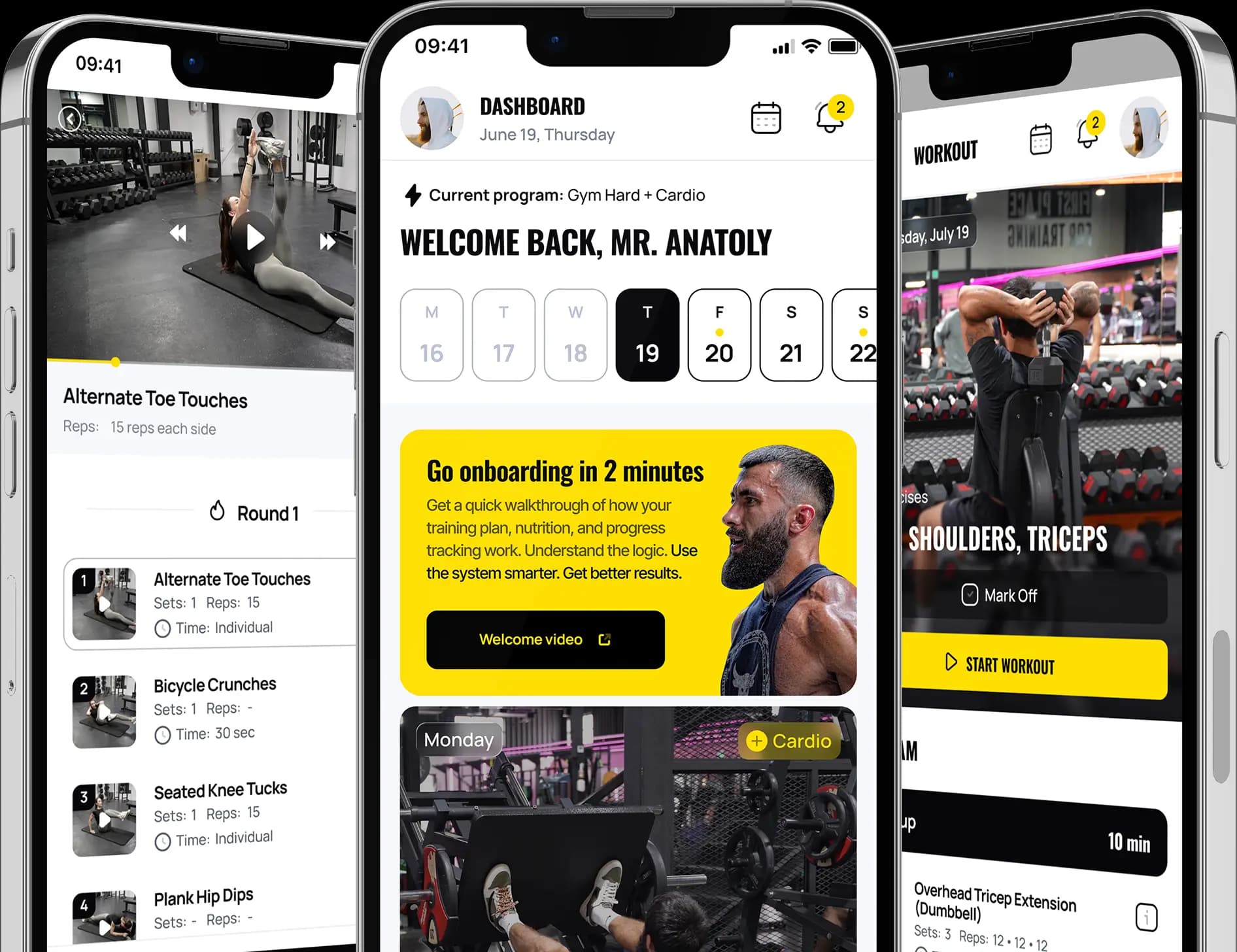
This balance between strength and appearance is a key component of the Anatoly Fit program. It involves arm training within a clearly structured system, where muscle growth facilitates more intense workouts rather than hindering them.
Subscribe for Updates
By signing up for our newsletter, you agree to the terms outlined in our privacy policy. You can unsubscribe at any time.