Training for men shouldn’t revolve around lifting weights just for the sake of it or haphazard sessions like “going all out”. Good male programs should deliver more meaningful results: building strength, improving physique, and providing enough visible progress to track from week to week.
That’s exactly what Anatoly Fit is all about. This system is designed for men who want a stronger body without having to wonder what to train next — whether they’re starting from scratch, coming back after a break, or trying to make their current schedule more structured.
What Men Usually Want from Training
Ask ten men why they started working out, and you’ll get a variety of answers. One wants broader shoulders. Another wants more energy throughout the day. Yet another wants to feel stronger when carrying or lifting something, or simply moving about in everyday life. The goal is rarely limited to just one thing.
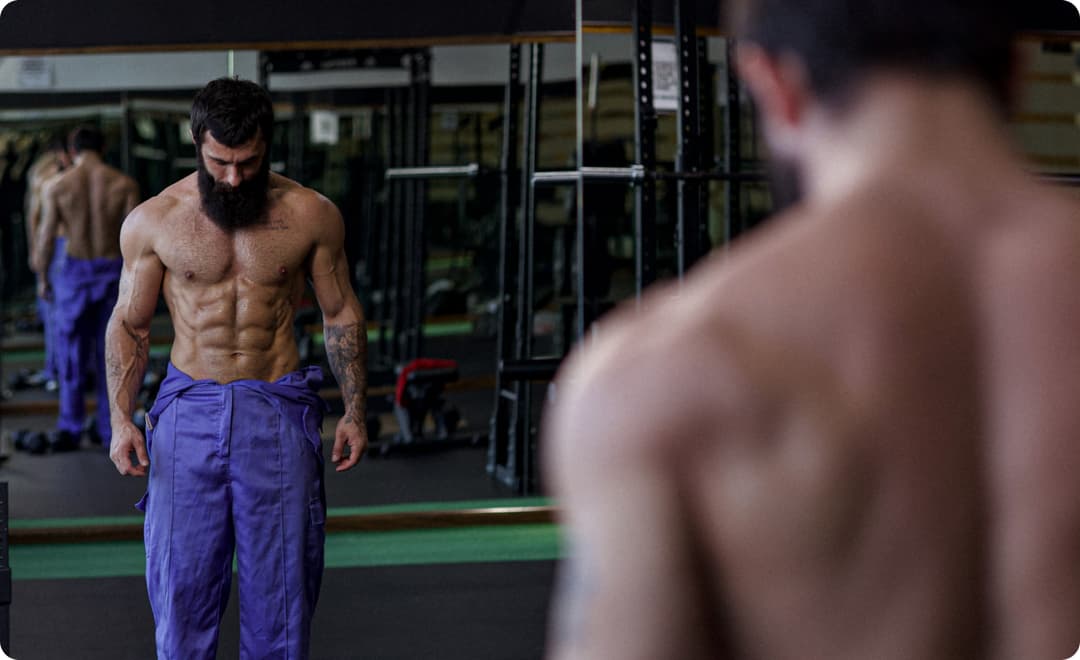
Many people also strive for a flat belly, but this result is usually achieved through a combination of exercise, proper nutrition, and consistency — not through endless sit-ups.
For most men, the top priorities are typically:
Strengthening the upper body;
Increasing overall strength;
Building muscle mass without excess bulk;
Improving mobility and speeding up recovery.
The approach may change over the course of even a single summer, but the basic principles remain the same. It’s easier to achieve consistent results when training is focused on long-term progress rather than chasing short-term results.
The Location Can Change. The Plan Shouldn't
A good workout at home for men cannot be seen as a weaker version of a gym session. It simply uses different equipment. A pair of dumbbells, resistance bands, a backpack, or a sandbag can still provide effective resistance if the routine is well-structured.
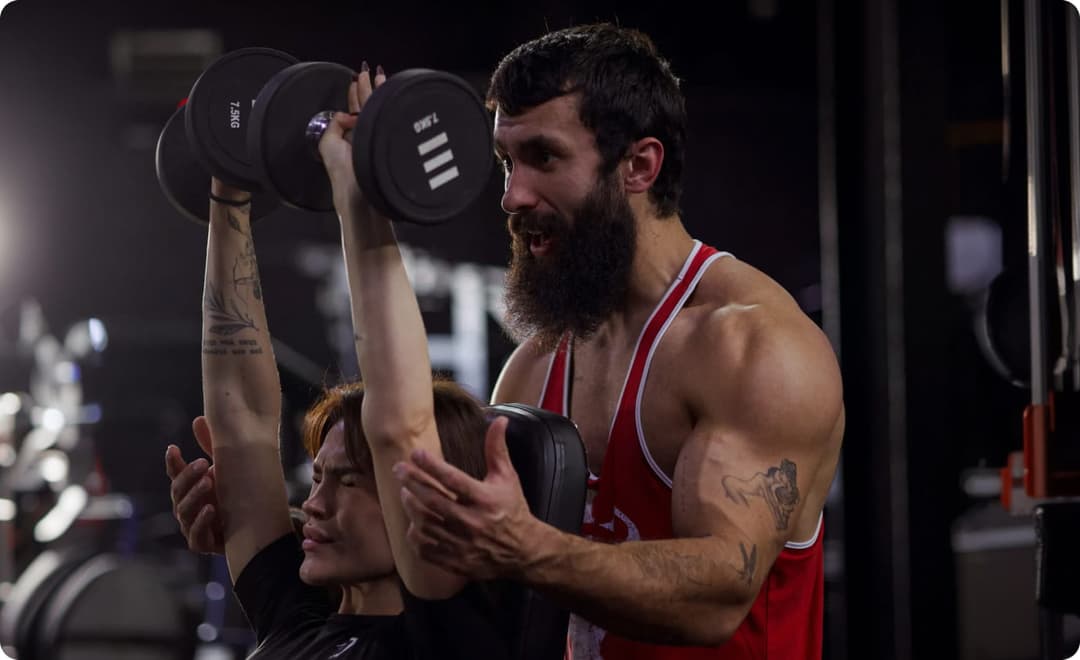
At the fitness center, the advantages are different: heavier loads, more exercise options, and easier progression. That’s why gym workouts for men can be especially beneficial when the goal is to build muscle, increase lifting strength, or gain better control when working with heavier weights.
The practical organization of training depends on the day:
At home: shorter sessions, basic equipment, body control;
At the gym: heavier weights, exercise machines, cables, benches;
While traveling: dumbbells, resistance bands, bodyweight exercises, space in the hotel.
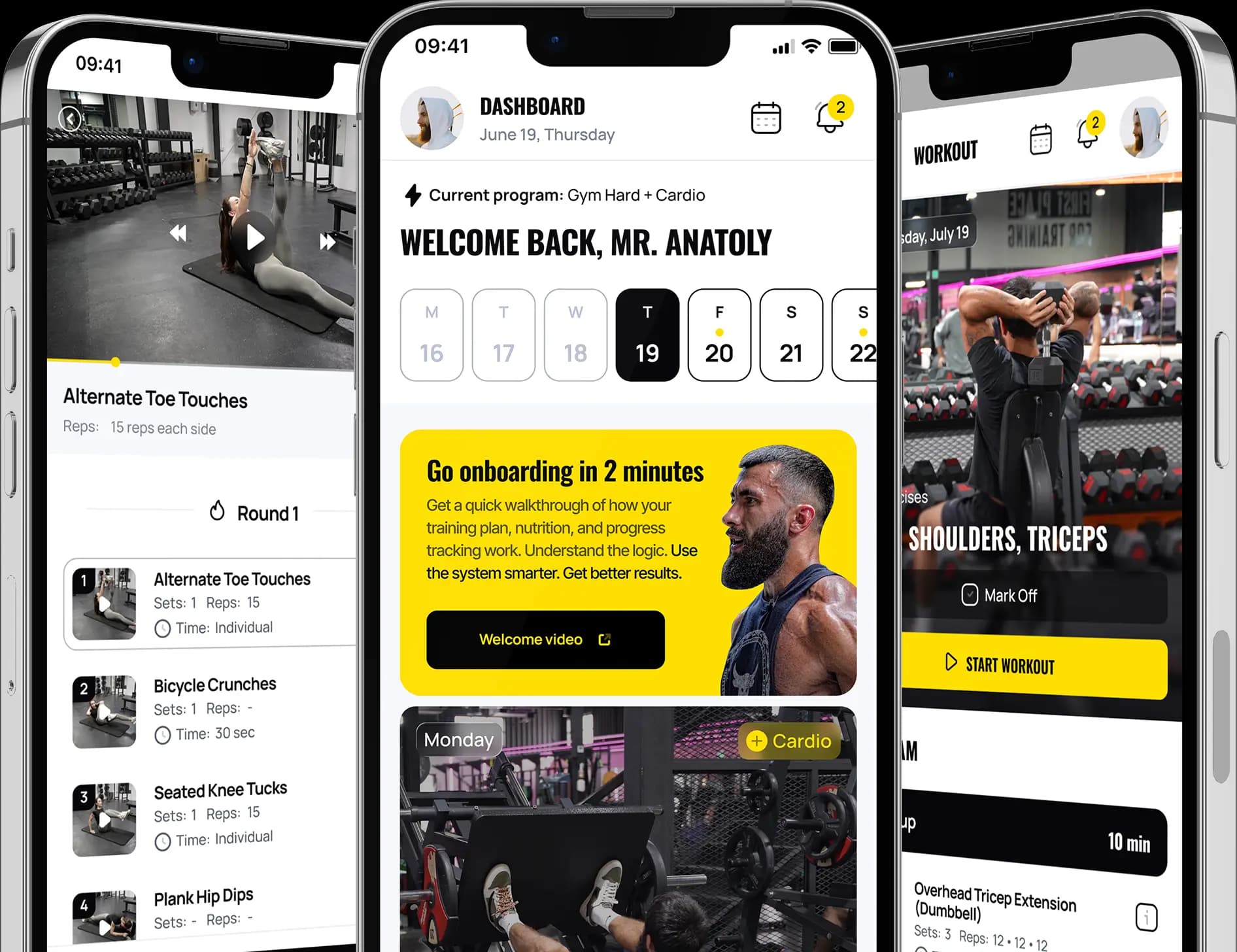
APS combines these options into a single system. A person can work out at the gym one week and then switch to home workouts without deviating from the plan.
How to Create an Exercise Plan for Men
An effective workout routine for men isn’t just a chest workout day and a few random sets for the abs. The body grows better and shows better results when the week is clearly structured: heavy workouts, moderate-volume workouts, core workouts, and general physical conditioning.
Effective structure may include:
Basic exercises for developing strength and coordination;
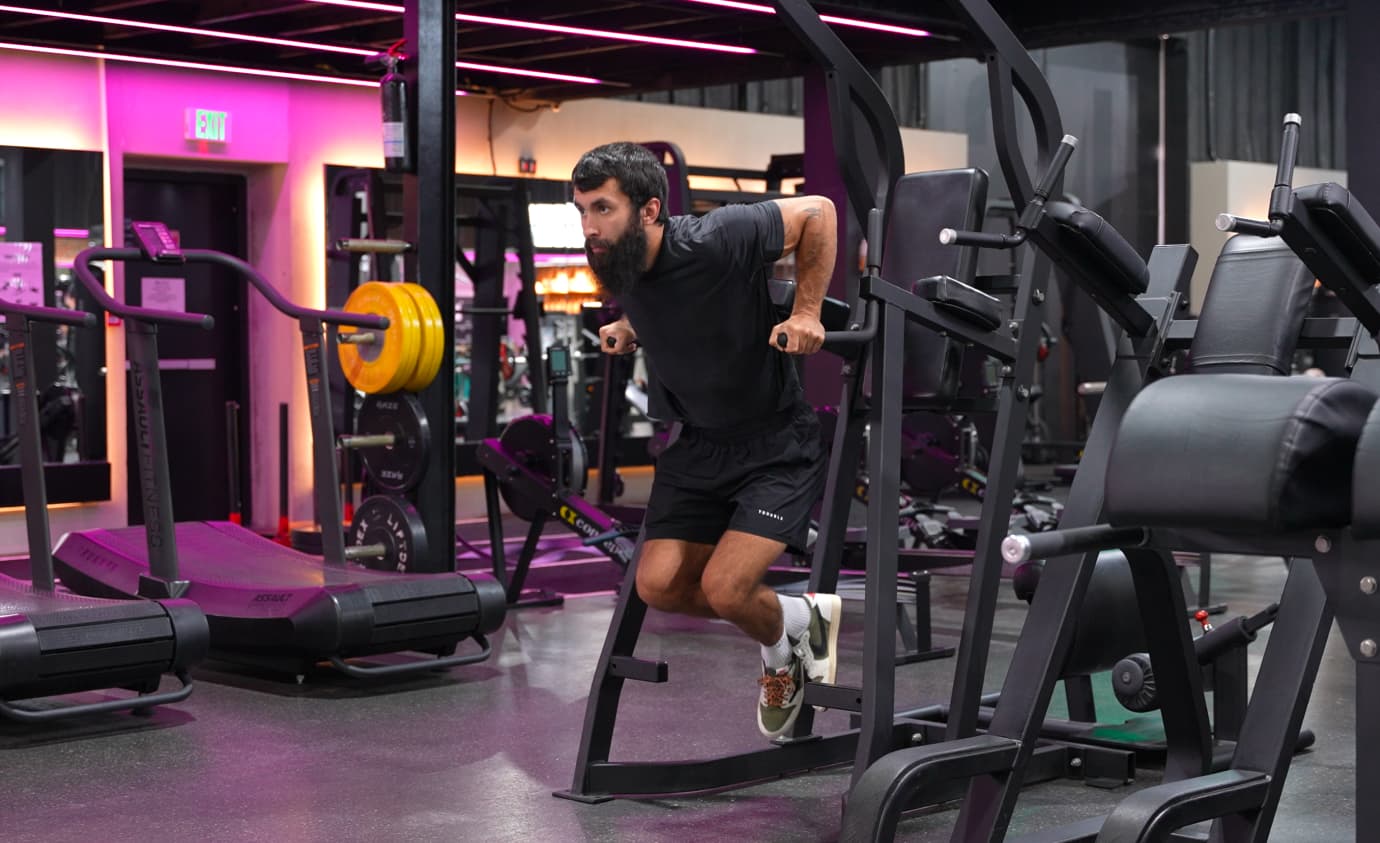
Upper body workouts: shoulders, back, chest, and arms;
Leg exercises to maintain body balance;
Core muscle training to help lift weights, not just improve appearance;
Short endurance blocks of exercises when particular attention needs to be paid to this aspect.
Effective strength training exercises should primarily target large muscle groups. Squats, deadlifts, presses, lunges, pull-ups, and carrying weights typically provide greater benefits than endless isolation drills.
Guys who are just starting to build their physical foundation typically need to focus on a single, best total body routine. Once recovery, exercise form, and workload become more predictable, the routine can be adjusted to include more specialized training days.
The best core workout isn’t just about crunches. Exercises that involve holding a position against rotation, planks, carrying weights, hanging raises, and controlled breathing exercises help keep the core strong while the rest of the body is working intensely.
The Right Starting Point Matters
Not all men start at the same level. A skinny guy may need to eat more, gradually increase his workload, and be patient as he builds muscle. Those returning to training after a long break may need to start with lighter workouts, even if they used to train intensely many years ago.
For men beginners, the first step is usually simple: develop proper form and maintain a consistent training intensity. After that, specifics can be added to the plan.
Some men also need short workouts. When time is limited, both a quick workout and a ten-minute block will do. However, it should have one clear task: a warm-up, core exercises, general physical conditioning, or a light auxiliary strength exercise. Short-term training is most effective when it supports the overall strategy without replacing it.
When Circuit Make Sense
This type of workout is useful when an athlete needs to increase the intensity of their training without turning the entire session into cardio. It allows combining strength exercises, core work, and general physical conditioning into a single short block after the main set of drills.
For example, a circuit workout might include:
Push-ups,
Kettlebell swings,
Pull-ups,
Lunges,
Plank holds.
The aim isn't to rush through each repetition, but to keep moving while maintaining proper form and controlling breathing.
This format is well-suited for structured programs. Especially when time is tight or when an athlete needs better endurance for longer workouts. It should complement strength training exercises, not replace them.
The Goal Is to Keep Moving Forward
Most men spend too much time searching for the perfect workout routine and not enough time sticking with one long enough to see results. Progress is often easier to notice after a few months than after a few days.
This is where Anatoly Fit comes in. This system provides a foundation that can adapt to changing goals, whether the focus shifts to strength, muscle gain, endurance, or body composition. A good plan isn’t the one that feels the hardest on the first day. It’s the one that keeps working even after several months.
Subscribe for Updates
By signing up for our newsletter, you agree to the terms outlined in our privacy policy. You can unsubscribe at any time.