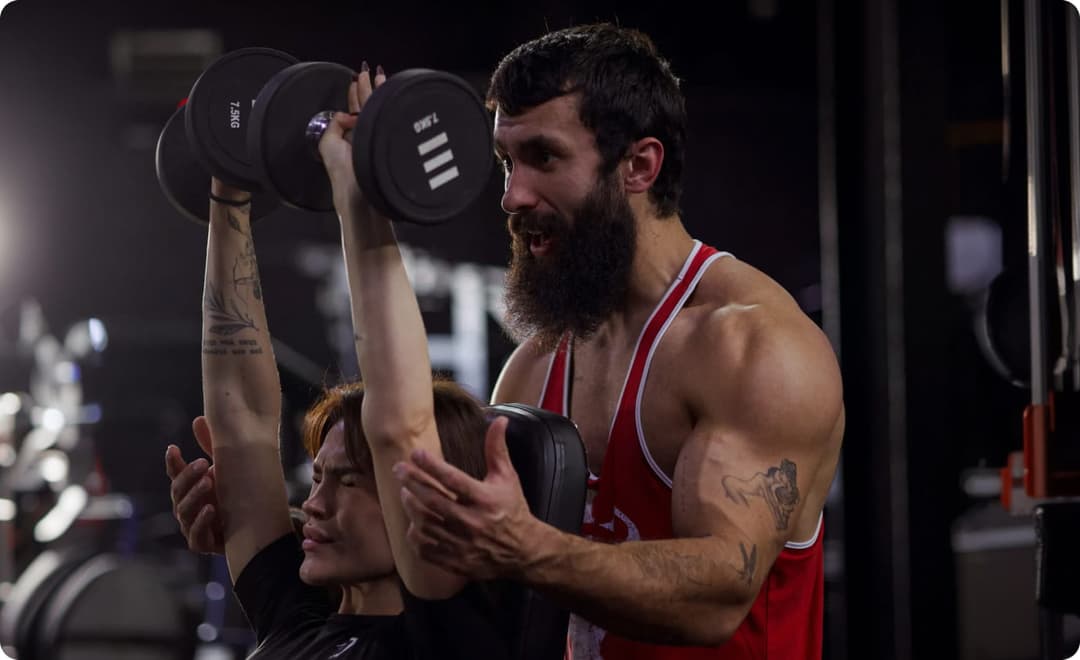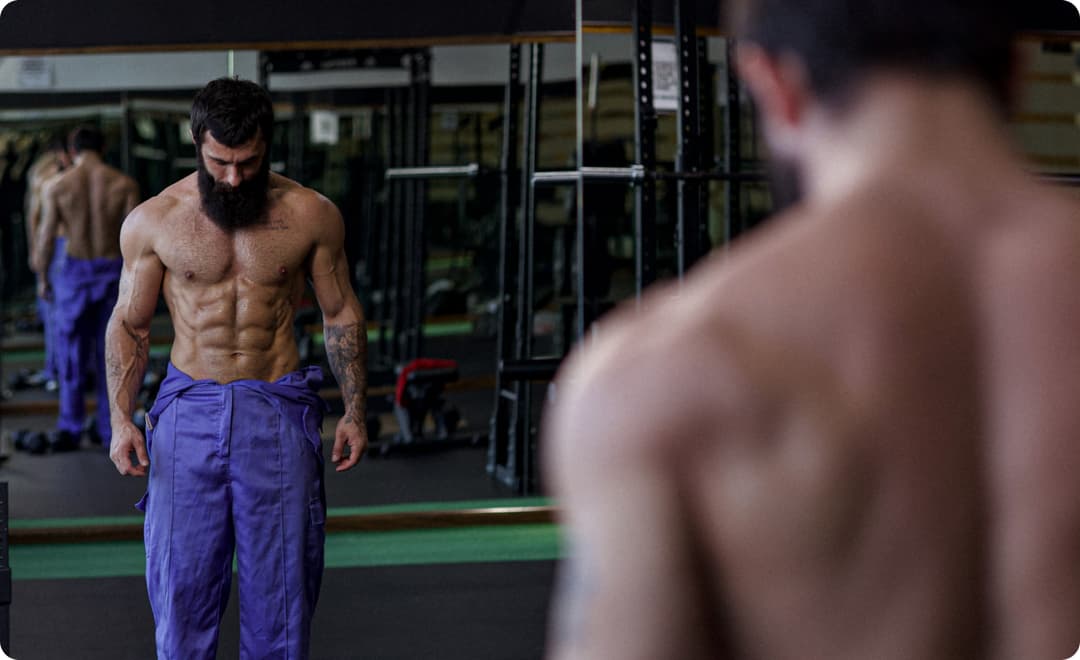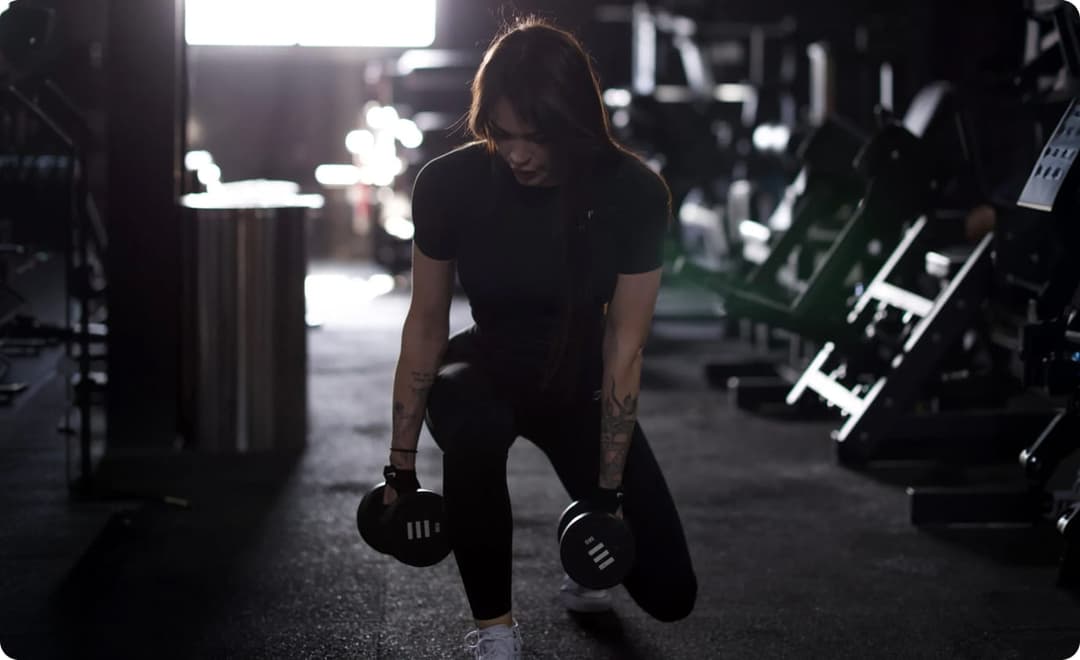
It’s easy to assess the condition of abs in the mirror, but the real test comes when working under load. During heavy squats or deadlifts, the core muscles must keep the torso stable, transfer force, and prevent the body from losing energy. If this fails, it's usually the technique that gives it away first.
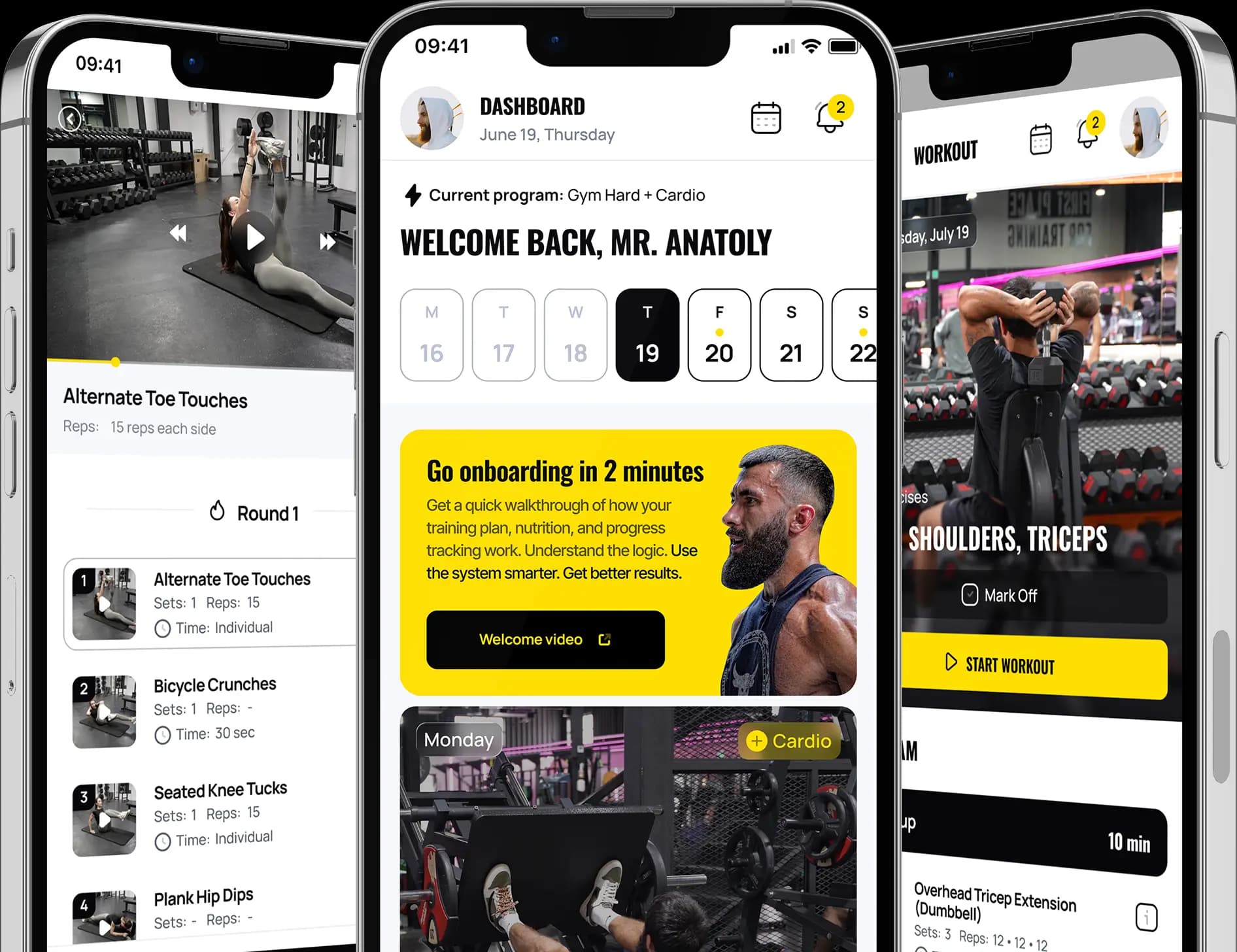
The APS program approaches core training exactly this way. Not as a quick fix for burning belly fat, but as training focused on control, load endurance, and improving results in weightlifting.
Why Core Training Is More Than Six-Pack Abs
Visible six-pack abs are just part of the bigger picture. The strength of your abdominal muscles also depends on deeper muscles that are harder to see from the outside. One of these is the transverse abdominis, which helps create pressure around the torso and supports the spine during high-impact movements.
This is important for core stability. Without it, the body begins to compensate for fatigue: the ribs shift, the lower back experiences additional strain, and force transmission becomes less efficient. The core shouldn’t just bend. It must resist movement when necessary.
What Core Bracing Actually Does
Proper core bracing isn’t about “tightening your abs” as hard as possible. The goal is to generate pressure that stabilizes the torso as the body moves under load. During squats or deadlifts, this is often what determines whether you’ll be able to maintain a stable position or if it will start to falter halfway through the set.
The following simple sequence of steps usually works best:
Inhale before starting the movement;
Tighten the torso without raising shoulders;
Maintain constant tension throughout the entire repetition.
When the tension subsides, the body immediately reacts — the chest sinks, the lower back shifts, or balance is lost under the weight.
Why Crunches Are Not Enough
Crunches target only one specific movement: spinal flexion. While this can be beneficial, it doesn’t teach the core muscles to maintain proper posture — especially when the body is being stretched, twisted, or subjected to uneven loads. For lifting, running, or carrying loads, it's precisely this missing element that is of great significance.
This is where anti-rotation exercises and obliques training come in particularly handy:
Pallof press helps the core resist turning;
Side plank develops lateral control in the waist area;
Carrie exercise improves posture while the body is in motion.
These drills aren't just about feeling the burn. They teach the muscles in your core to maintain balance when pressure is applied from different directions.
Exercises That Actually Transfer to Heavy Training
Core exercises should help the body develop the skills needed during physical exertion. That is why a proper program should include exercises that build control, not just endurance.
The practical core module may consist of:
Variations of the plank position to develop overall body stability without shifting the spine.
Hanging leg raises to improve pelvic control and strengthen the lower abdominal muscles.
Stomach vacuum to engage the deep abdominal muscles and control breathing.
Variations of the dead bug exercise, where the lower back is constantly lifted off the floor.
These practices are most effective when performed correctly. If your ribs flare out, your pelvis shifts, or your breathing becomes irregular, the whole point of the exercise is lost.
Core Training Should Not Turn Into Exhaustion
Core muscles recover more slowly than many people expect. This is especially true if lifting heavy objects is already part of your weekly routine. Doing extra abdominal exercises every day often causes more fatigue than it does good.
This is particularly noticeable during core stability exercises. As soon as control is lost, the exercise usually devolves into chaotic movements rather than a beneficial contraction.
In most cases, a few properly executed workouts are sufficient. The goal is to keep the core responsive and stable, rather than constantly exhausted from endless cycles of abs exercises.
Core Work With a Purpose
Effective core bracing should make a difference where it really counts: in the form of sharper form, stable posture, and better control when lifting heavy weights. If your core muscles engage only during floor exercises but fail under load, it means your workout isn’t doing its job.
A useful final check is quite simple:
Are you able to tense your muscles without holding your breath too early?
Can your ribs and pelvis stay in the correct position?
Do you maintain control as the exercise gets more challenging?
These very questions formed the basis for the creation of the APS program. It prioritizes functionality: more powerful lifts, better control, and core muscles that will come in handy not just in front of the mirror.
Subscribe for Updates
By signing up for our newsletter, you agree to the terms outlined in our privacy policy. You can unsubscribe at any time.